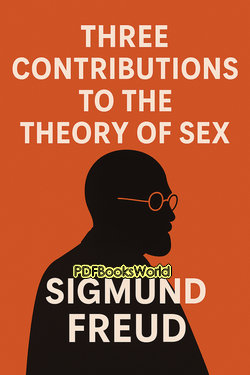
Three Contributions to the Theory of Sex
by Sigmund Freud
A Groundbreaking Psychological Work That Changed the Study of Human Sexuality
Three Contributions to the Theory of Sex by Sigmund Freud is one of the most influential and controversial works in the history of psychology. First published in 1905, the book introduced Freud’s theories about human sexuality, psychological development, and the unconscious mind.
The work challenged many traditional beliefs of its time by arguing that sexuality plays an important role in human behavior and emotional development from childhood onward. Freud’s ideas became highly influential in the development of psychoanalysis and modern psychology, although many of his theories later became subjects of debate and criticism.
About the Author
Sigmund Freud was an Austrian neurologist and the founder of psychoanalysis, a method for studying the unconscious mind and emotional behavior. His writings transformed psychology by exploring dreams, memory, desire, and human motivation.
Freud’s theories influenced psychology, literature, philosophy, and cultural studies throughout the twentieth century. His work remains widely discussed because of its impact on modern understandings of the human mind.
Main Themes of the Book
The book explores Freud’s theories about sexual development, unconscious desires, and the connection between childhood experiences and adult behavior. He argues that psychological development occurs through different stages that shape personality and emotional life.
Important Themes Discussed
- Human sexuality and psychological development
- The unconscious mind and hidden desires
- Childhood experiences and personality formation
- The relationship between emotion and behavior
Freud believed many emotional conflicts and behaviors could be traced to unconscious psychological processes developed early in life.
The Theory of Psychosexual Development
One of the central ideas in the book is Freud’s theory that personality develops through a series of psychosexual stages during childhood. According to Freud, experiences during these stages can influence adult emotions, relationships, and behavior.
Although some of these ideas became controversial, the theory introduced new ways of thinking about childhood development and emotional psychology.
What Makes the Work Unique
- Early scientific discussion of human sexuality
- Introduction of psychoanalytic theory
- Strong influence on modern psychology and culture
Writing Style
Freud’s writing style is analytical, theoretical, and detailed. He combines medical observations with psychological interpretation to explain his ideas about human behavior and mental processes.
The work reflects both scientific reasoning and philosophical speculation, making it intellectually influential as well as controversial.
Historical Importance
Three Contributions to the Theory of Sex became one of the foundational texts of psychoanalytic thought. The book transformed discussions about psychology, sexuality, and emotional development during the twentieth century.
Historical Features
- Development of psychoanalytic theory
- New approaches to understanding human behavior
- Influence on psychology, literature, and culture
The work also reflected changing attitudes toward psychology and scientific exploration of the human mind during the early modern era.
Lessons for Modern Readers
Modern readers continue to study Freud’s work because of its historical influence on psychology and cultural thought. Even though some theories are debated today, the book remains important for understanding the development of modern psychological ideas.
The work encourages readers to think about the complexity of human behavior, emotion, and the hidden influences of the unconscious mind.
Conclusion
Three Contributions to the Theory of Sex by Sigmund Freud remains a landmark work in the history of psychology and psychoanalysis. Through bold theories and detailed psychological analysis, Freud introduced ideas that changed discussions about sexuality, childhood development, and human behavior around the world.
Similar Genres
About the Author
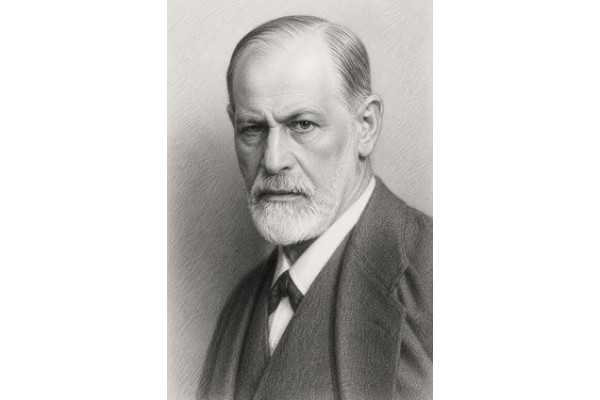
Sigmund Freud was an Austrian neurologist whose pioneering ideas transformed the study of the human mind and laid the foundations of psychoanalysis. Born in 1856 in what is now the Czech Republic and later based in Vienna, Freud devoted his career to exploring memory, dreams, personality, and the hidden forces that influence human behavior. Explore Sigmund Freud books to discover the author's life, literary career, and access notable works, including Dream Psychology, A General Introduction to Psychoanalysis, The Interpretation of Dreams, Psychopathology of Everyday Life , and more.