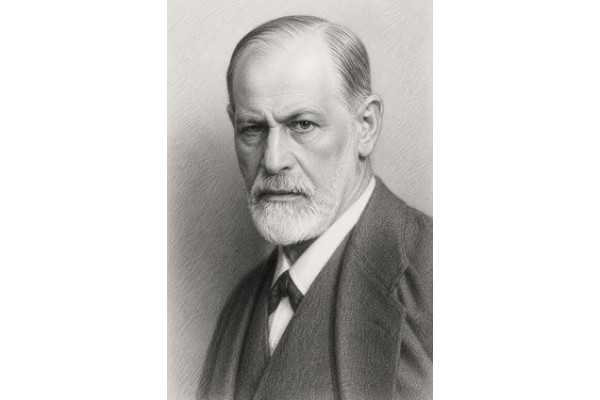
Sigmund Freud
Sigmund Freud was an Austrian neurologist whose pioneering ideas transformed the study of the human mind and laid the foundations of psychoanalysis. Born in 1856 in what is now the Czech Republic and later based in Vienna, Freud devoted his career to exploring memory, dreams, personality, and the hidden forces that influence human behavior. His theories challenged conventional thinking and opened new discussions about the unconscious mind, childhood development, and emotional well-being. Although many of his ideas continue to be debated, Freud's influence on psychology, literature, philosophy, and modern culture remains profound.
Exploring the Hidden Mind
Sigmund Freud believed that much of human behavior is shaped by thoughts and memories that exist beyond conscious awareness. Through his clinical work and extensive writings, he introduced concepts such as the unconscious mind, dream interpretation, defense mechanisms, and the importance of early childhood experiences in personality development. His willingness to examine complex emotional experiences transformed psychology from a largely biological discipline into one that also considered the inner workings of the human mind. Freud's ideas inspired generations of psychologists, psychiatrists, writers, and artists, while also encouraging ongoing research and debate within the behavioral sciences.
Beyond medicine, Freud's influence extended into literature, film, education, and cultural studies, where his theories offered new ways to interpret creativity, symbolism, and human motivation. His work continues to be studied not only for its historical importance but also for its lasting impact on how people understand identity and behavior.
Essential Works
- The Interpretation of Dreams introduces Freud's groundbreaking theory that dreams reveal hidden thoughts and unconscious desires.
- Three Essays on the Theory of Sexuality explores human psychological development and the formation of personality.
- The Psychopathology of Everyday Life examines memory lapses, slips of the tongue, and seemingly ordinary mistakes through a psychological lens.
- Beyond the Pleasure Principle investigates motivation, repetition, and the deeper forces influencing human behavior.
- Civilization and Its Discontents reflects on the relationship between individual desires and the demands of society.
- Introductory Lectures on Psychoanalysis presents Freud's major theories in an accessible and systematic form.
A Lasting Influence on Modern Thought
Sigmund Freud's writings continue to shape discussions in psychology, philosophy, literature, and the social sciences. While many aspects of his theories have been revised or challenged by later research, his pioneering efforts transformed the study of the human mind and encouraged deeper exploration of human thought, emotion, and behavior. His legacy lies not only in the theories he proposed but also in the questions he inspired generations of scholars to investigate.
If you're interested in psychology, human behavior, and the evolution of modern thought, the works of Sigmund Freud offer an important starting point. At PDFBooksWorld, you can explore a collection of his influential writings and discover the ideas that helped shape one of the most significant intellectual movements of the twentieth century.
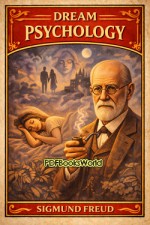
Dream Psychology
Sigmund Freud
Three Contributions to the Theory of Sex
Sigmund Freud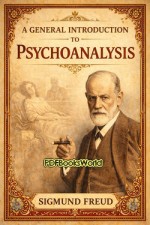
A General Introduction to Psychoanalysis
Sigmund Freud
The Interpretation of Dreams
Sigmund Freud