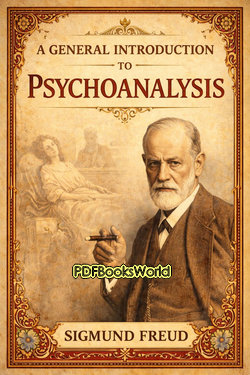
A General Introduction to Psychoanalysis
by Sigmund Freud
Inside the Human Mind: Why A General Introduction to Psychoanalysis Still Matters Today
Few psychological works have influenced modern thought as deeply as A General Introduction to Psychoanalysis by Sigmund Freud. Originally presented as a series of lectures, the book introduced readers to revolutionary ideas about dreams, unconscious desires, memory, anxiety, and human behavior. Even after more than a century, the work continues to shape discussions about psychology, personality, and emotional life.
The book helped popularize psychoanalytic theory, a psychological approach focused on unconscious motivations and emotional conflict.
A Different Way of Understanding Human Behavior
Before Freud, many people viewed human behavior mainly through logic and conscious decision-making. Freud challenged this idea by suggesting that hidden thoughts, suppressed memories, and unconscious desires strongly influence everyday actions.
This approach transformed psychology by encouraging deeper exploration of emotions, childhood experiences, dreams, and personal fears.
Key Ideas Introduced in the Book
- The role of the unconscious mind
- Dream interpretation and symbolism
- Emotional conflict and repression
- The influence of childhood experiences
- Psychological explanations for human behavior
Why Freud’s Ideas Became So Influential
Freud’s theories sparked enormous debate because they offered a new way of examining personality and emotional life. His ideas influenced not only psychology but also literature, philosophy, film, and cultural studies.
Although some theories remain controversial today, many concepts introduced by Freud continue to shape modern discussions about mental health and self-understanding.
Areas Influenced by Psychoanalysis
- Modern psychotherapy and counseling
- Literary and film criticism
- Studies of dreams and symbolism
- Personality and behavioral analysis
- Discussions about trauma and memory
The Importance of Dreams in Psychoanalysis
One of the most famous aspects of Freud’s work is his interpretation of dreams. He believed dreams reveal hidden emotions and unconscious thoughts that people may not fully recognize while awake.
Freud viewed dream symbols as clues to deeper emotional conflicts and desires. This idea fascinated readers because it connected ordinary experiences with hidden psychological meaning.
Readers interested in the history of mental science often explore the development of modern psychology to better understand how Freud’s theories changed intellectual thought during the twentieth century.
Why Modern Readers Still Read Freud
Even though psychology has evolved greatly since Freud’s time, A General Introduction to Psychoanalysis remains important because it introduced many foundational ideas about human emotion and behavior.
The book also continues to attract readers interested in philosophy, literature, self-reflection, and the deeper mysteries of the human mind.
Reasons the Book Remains Influential
- Introduced groundbreaking psychological theories
- Encouraged deeper self-examination
- Influenced culture beyond psychology
- Explored dreams and unconscious thought
- Changed how people understand human emotion
Freud’s Lasting Cultural Legacy
Sigmund Freud remains one of the most discussed and influential thinkers in modern intellectual history. His work changed how people talk about identity, memory, desire, fear, and emotional conflict.
Even critics of psychoanalysis acknowledge Freud’s enormous impact on twentieth-century culture and psychological discussion.
Major Contributions to Modern Thought
- Popularized the study of the unconscious mind
- Expanded modern psychological theory
- Influenced literature, art, and cinema
- Developed early psychotherapy methods
- Encouraged new discussions about human identity
Final Thoughts
A General Introduction to Psychoanalysis remains one of the most influential psychological works ever written. Through bold theories, emotional insight, and deep exploration of the unconscious mind, Sigmund Freud transformed modern thinking about human behavior and mental life. Its lasting influence ensures its continued importance in psychology, philosophy, and cultural history.
Similar Genres
About the Author
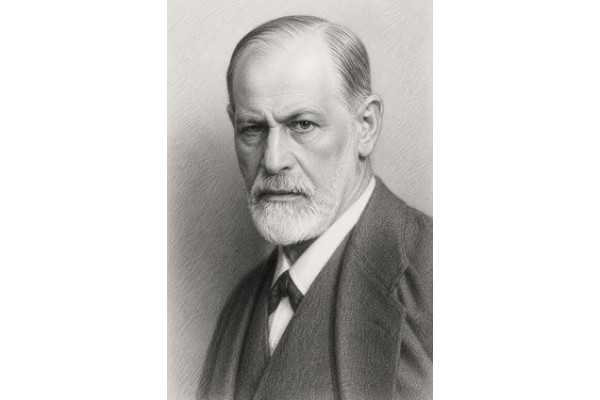
Sigmund Freud was an Austrian neurologist whose pioneering ideas transformed the study of the human mind and laid the foundations of psychoanalysis. Born in 1856 in what is now the Czech Republic and later based in Vienna, Freud devoted his career to exploring memory, dreams, personality, and the hidden forces that influence human behavior. Explore Sigmund Freud books to discover the author's life, literary career, and access notable works, including Dream Psychology, Three Contributions to the Theory of Sex, The Interpretation of Dreams, Psychopathology of Everyday Life , and more.