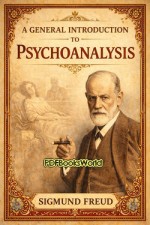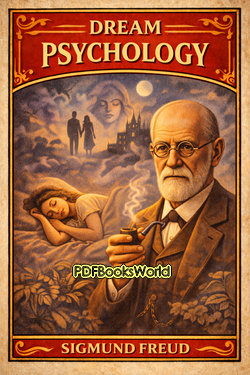
Dream Psychology
by Sigmund Freud
Dream Psychology: Sigmund Freud’s Revolutionary Exploration of the Human Mind
Dream Psychology: Psychoanalysis for Beginners by Sigmund Freud is one of the most influential works ever written about dreams and the unconscious mind. First published in the early twentieth century, the book introduced readers to Freud’s groundbreaking ideas about how dreams reflect hidden thoughts, desires, fears, and emotions. Through this work, Freud helped establish the foundations of psychoanalysis and transformed the study of human psychology.
Rather than treating dreams as meaningless fantasies, Freud argued that dreams contain symbolic messages connected to the unconscious mind. His theories changed how people viewed sleep, memory, emotions, and human behavior, making the book an important milestone in modern psychology.
The Core Idea Behind Freud’s Dream Theory
One of Freud’s central arguments is that dreams are meaningful expressions of unconscious desires and thoughts. According to Freud, the mind often hides painful memories, wishes, and emotions during waking life. These hidden feelings can reappear during sleep in symbolic or disguised forms.
Freud famously described dreams as the “royal road to the unconscious.” He believed that analyzing dreams could reveal important truths about a person’s emotions, conflicts, anxieties, and inner motivations.
Manifest Content and Latent Content
Freud divided dreams into two major components:
- Manifest Content – the actual events, images, and details remembered from the dream
- Latent Content – the hidden psychological meaning behind those dream symbols
According to Freud, dreams often disguise their true meaning through symbols, strange scenarios, and fragmented narratives. Dream interpretation involves uncovering the deeper emotional significance hidden beneath the surface.
Major Themes in Dream Psychology
The Unconscious Mind
Freud believed that much of human behavior is influenced by unconscious thoughts and desires that remain outside conscious awareness. Dreams provide a pathway into these hidden mental processes.
Wish Fulfillment
One of Freud’s most famous theories suggests that dreams often represent disguised forms of wish fulfillment. Even unusual or disturbing dreams may symbolically express desires or unresolved emotions.
Symbolism in Dreams
Freud argued that dreams communicate through symbols rather than direct messages. Everyday objects, people, and events may represent deeper emotional conflicts or psychological experiences.
The Importance of Self-Analysis
The book encourages readers to examine their own thoughts, emotions, and dreams more carefully. Freud believed that understanding unconscious feelings could improve self-awareness and emotional health.
Key Concepts Readers Discover in the Book
- The connection between dreams and unconscious thoughts
- How symbols appear within dream narratives
- The psychological meaning behind unusual dreams
- The role of repression in human behavior
- The relationship between memory, emotion, and sleep
- Methods used in psychoanalytic dream interpretation
- How hidden fears and desires influence mental life
Why Freud’s Ideas Became So Influential
Sigmund Freud’s theories dramatically influenced psychology, literature, philosophy, and popular culture. Although some of his ideas remain controversial today, his work changed the way people think about the mind and human behavior.
Freud introduced the idea that unconscious emotions and experiences play a major role in shaping personality and decision-making. His focus on dreams, symbolism, and hidden motivations inspired generations of psychologists, writers, artists, and researchers.
Modern Views on Freud’s Dream Theory
Modern psychology does not fully accept all of Freud’s theories, yet many scholars acknowledge his enormous impact on the development of psychotherapy and psychological thought. Contemporary researchers often view dreams differently, focusing more on memory processing, emotional regulation, and brain activity during sleep.
Even so, Freud’s ideas about symbolism, unconscious conflict, and emotional interpretation continue to influence discussions about dreams and mental health.
Interesting Features of the Book
- Introduces the foundations of psychoanalysis
- Explores the symbolic meaning of dreams
- Examines the unconscious mind in detail
- Combines psychology, philosophy, and self-analysis
- Influenced modern literature and psychotherapy
- Remains one of Freud’s most widely discussed works
Why Readers Still Study Dream Psychology
More than a century after publication, Dream Psychology continues to attract readers interested in psychology, human behavior, and the mysteries of the mind. The book offers insight into the origins of psychoanalysis while encouraging readers to think more deeply about emotions, memories, and personal experiences.
Its lasting influence comes not only from Freud’s theories, but also from the book’s ability to challenge readers to question how much of human behavior is controlled by hidden thoughts and emotions.
Conclusion
Dream Psychology remains one of the most important books ever written about dreams and the unconscious mind. Through his bold theories and psychological insights, Sigmund Freud introduced ideas that transformed modern discussions about human thought, emotion, and behavior.
For readers interested in psychology, philosophy, self-analysis, and the history of mental science, Dream Psychology continues to provide a fascinating and thought-provoking reading experience.
Similar Genres
About the Author
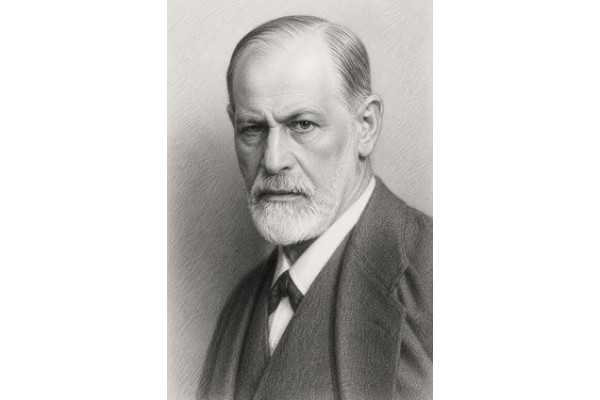
Sigmund Freud was an Austrian neurologist whose pioneering ideas transformed the study of the human mind and laid the foundations of psychoanalysis. Born in 1856 in what is now the Czech Republic and later based in Vienna, Freud devoted his career to exploring memory, dreams, personality, and the hidden forces that influence human behavior. Explore Sigmund Freud books to discover the author's life, literary career, and access notable works, including Three Contributions to the Theory of Sex, A General Introduction to Psychoanalysis, The Interpretation of Dreams, Psychopathology of Everyday Life , and more.