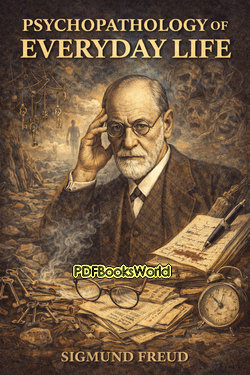
Psychopathology of Everyday Life
by Sigmund Freud
The Hidden Meaning Behind Everyday Mistakes
Psychopathology of Everyday Life by Sigmund Freud is one of the most influential works in the history of psychology. In this groundbreaking book, Freud explores the seemingly minor errors that occur in daily life, such as forgetting names, misspeaking, misplacing objects, or making accidental mistakes. Rather than dismissing these incidents as random events, he argues that they may reveal deeper thoughts, emotions, and unconscious processes operating beneath the surface of awareness.
First published in the early twentieth century, the book introduced readers to a new way of thinking about human behavior. Freud suggested that even ordinary actions could provide clues about the hidden workings of the mind, making everyday experiences worthy of careful examination.
A New Perspective on Common Errors
Most people occasionally forget an appointment, lose an important item, or say something different from what they intended. Freud believed that such incidents were not always accidental. According to his theory, these mistakes could sometimes reflect unconscious wishes, conflicts, memories, or emotions.
This idea challenged traditional views of human behavior. Instead of treating mistakes as meaningless, Freud encouraged readers to consider whether they might contain psychological significance. His interpretations opened new discussions about memory, motivation, and self-awareness.
The Concept of the Unconscious Mind
At the heart of the book lies Freud's belief in the unconscious mind. He proposed that many thoughts and desires exist outside conscious awareness yet continue to influence behavior. These hidden mental processes may occasionally appear through dreams, slips of the tongue, forgotten information, and other everyday occurrences.
By examining these moments, Freud believed people could gain insight into aspects of themselves that might otherwise remain hidden. This concept became one of the foundations of psychoanalytic theory and greatly influenced later psychological thought.
Key Topics Explored in the Book
- Forgetting Names: Instances where memory failures may have psychological causes.
- Slips of the Tongue: Verbal mistakes that may reveal underlying thoughts.
- Misplaced Objects: Situations in which forgotten items carry personal significance.
- Everyday Errors: Ordinary actions examined through a psychological lens.
These examples help illustrate Freud's broader argument that daily experiences can offer valuable insight into the human mind.
Freud's Method of Analysis
Freud relied heavily on observation and interpretation. He collected examples from his own experiences, from acquaintances, and from patients, using them to support his theories about unconscious motivation. Through detailed analysis, he attempted to connect seemingly minor incidents to deeper emotional and psychological processes.
While some of his conclusions remain debated, his approach encouraged people to think more carefully about behavior and the possible influences operating beneath conscious awareness.
The Influence of the Book
Psychopathology of Everyday Life played a major role in popularizing psychoanalytic ideas beyond academic circles. Many concepts introduced in the book entered everyday language and culture. The phrase "Freudian slip," for example, became widely known as a way of describing accidental statements that may reveal hidden thoughts or feelings.
The work also contributed to broader discussions about memory, personality, and the complexity of human behavior. Its influence extended beyond psychology into literature, philosophy, education, and cultural studies.
Important Themes Throughout the Work
- The Unconscious: Hidden mental processes influence behavior.
- Self-Discovery: Everyday experiences can reveal deeper insights.
- Memory and Motivation: Thoughts and emotions affect recall and action.
- Human Complexity: Behavior often has multiple layers of meaning.
Why Psychopathology of Everyday Life Remains Significant
Psychopathology of Everyday Life continues to be studied because it challenged readers to reconsider the meaning of ordinary experiences. Through his examination of mistakes, forgetfulness, and slips of the tongue, Sigmund Freud proposed that everyday life offers valuable clues about the workings of the mind. Whether viewed as a psychological classic, a historical milestone, or a source of thought-provoking ideas, the book remains one of Freud's most influential and widely discussed works.
Similar Genres
About the Author
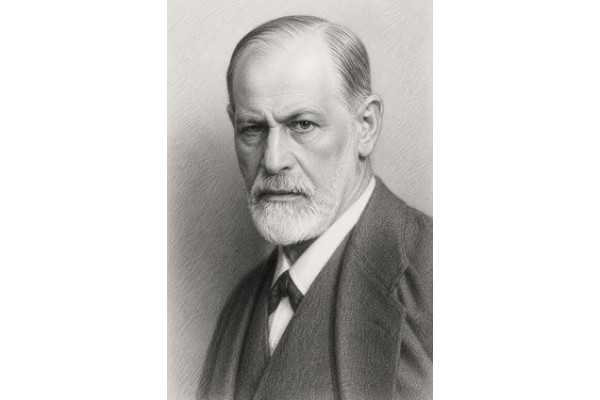
Sigmund Freud was an Austrian neurologist whose pioneering ideas transformed the study of the human mind and laid the foundations of psychoanalysis. Born in 1856 in what is now the Czech Republic and later based in Vienna, Freud devoted his career to exploring memory, dreams, personality, and the hidden forces that influence human behavior. Explore Sigmund Freud books to discover the author's life, literary career, and access notable works, including Dream Psychology, Three Contributions to the Theory of Sex, A General Introduction to Psychoanalysis, The Interpretation of Dreams , and more.