White Fang
by Jack London
An Unforgettable Adventure About Survival, Instinct, and the Wild
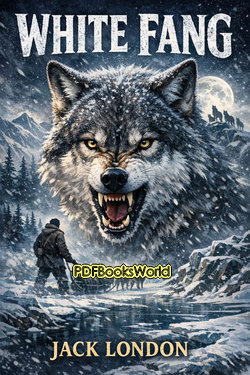
White Fang by Jack London is a classic adventure novel that explores survival, nature, and the relationship between humans and animals. First published in 1906, the story follows the life of White Fang, a wild wolf-dog growing up in the harsh wilderness of the Yukon during the Klondike Gold Rush.
The novel became one of Jack London’s most celebrated works because of its vivid descriptions of the natural world and its emotional portrayal of White Fang’s struggle between instinct and civilization. Through adventure and hardship, London examines themes connected to survival, cruelty, loyalty, and adaptation within the tradition of literary naturalism.
About the Author
Jack London was an American novelist and journalist known for his adventure stories and realistic portrayals of nature and survival. Many of his works were inspired by his experiences during the Klondike Gold Rush and his fascination with wilderness life.
London became one of the most popular American writers of the early twentieth century because of his fast-paced storytelling and powerful descriptions of human and animal struggles.
Main Themes of the Novel
The novel traces White Fang’s journey from the wild forest into the world of humans. As he encounters both kindness and cruelty, White Fang learns to survive in constantly changing environments.
Important Themes Discussed
- Survival and adaptation
- The relationship between humans and animals
- Instinct versus civilization
- Cruelty, loyalty, and trust
The story also explores how environment and experience shape behavior, both in animals and humans.
White Fang’s Journey Through the Wilderness
White Fang begins life in the wild, where survival depends on strength, intelligence, and instinct. As he enters human society, he experiences harsh treatment, violence, and eventually compassion from different owners.
Through these experiences, White Fang slowly learns trust and emotional connection. His transformation from a wild and fearful animal into a loyal companion forms the emotional center of the novel.
What Makes the Novel Unique
- Story told largely from an animal’s perspective
- Detailed descriptions of wilderness survival
- Emotional exploration of loyalty and trust
Writing Style
London’s writing style is vivid, energetic, and highly descriptive. He creates intense scenes of wilderness life while also exploring the emotional experiences of both animals and humans.
The fast-paced storytelling and realistic atmosphere make the novel exciting and emotionally engaging for readers of all ages.
Historical Importance
White Fang became one of the most influential works in American adventure literature. Its realistic depiction of wilderness life and animal behavior influenced later adventure novels and nature stories.
Historical Features
- Reflection of the Klondike Gold Rush era
- Strong influence on animal adventure fiction
- Exploration of naturalist literary themes
The novel also reflected early twentieth-century interest in nature, survival, and humanity’s relationship with the wild.
Lessons for Modern Readers
Modern readers continue to enjoy the novel because of its thrilling adventure, emotional depth, and timeless themes of survival and compassion. White Fang’s journey encourages readers to think about trust, resilience, and the effects of kindness and cruelty.
The story also highlights the deep connection that can exist between humans and animals.
Conclusion
White Fang by Jack London remains a beloved classic adventure novel filled with danger, emotion, and unforgettable wilderness experiences. Through the journey of White Fang, London created a timeless story about survival, loyalty, and the struggle between the wild and civilization.
Similar Genres
About the Author

Jack London captured the imagination of readers with powerful stories of survival, adventure, and the enduring bond between humanity and nature. Born in San Francisco in 1876, London lived a life as adventurous as the characters he created. He worked as a sailor, prospector, laborer, and war correspondent, drawing upon these firsthand experiences to craft authentic and compelling fiction. Explore Jack London books to discover the author's life, literary career, and access notable works, including The Call of the Wild, The Little Lady of the Big House, The Sea Wolf, The Son of the Wolf , and more.