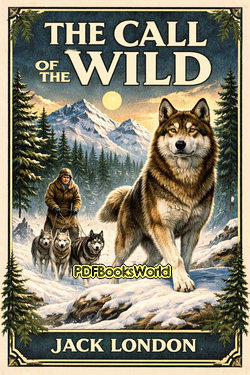
A Powerful Story of Survival and Instinct
The Call of the Wild is one of the most celebrated adventure novels written by Jack London. First published in 1903, the novel became an immediate success and remains widely read around the world today. Set during the Klondike Gold Rush, the story explores survival, adaptation, and the struggle between civilization and nature through the unforgettable journey of a dog named Buck.
Introduction to the Novel
The story begins in California, where Buck lives a comfortable life on a wealthy estate. His peaceful world changes suddenly when he is kidnapped and sold into the harsh sled-dog trade of the Yukon during the gold rush era. Forced into brutal conditions, Buck must learn to survive in an unforgiving wilderness.
As Buck adapts to his new environment, he becomes stronger, more instinctive, and increasingly connected to his primitive nature.
Buck’s Transformation
One of the most fascinating aspects of the novel is Buck’s transformation from a domesticated pet into a powerful creature capable of surviving in the wild. Throughout the story, Buck faces:
- harsh weather,
- dangerous rival dogs,
- cruel owners,
- exhausting labor,
- and constant survival challenges.
Each experience changes him both physically and mentally. Jack London uses Buck’s journey to explore the idea that instinct and survival remain deeply rooted beneath civilization.
Themes Explored in the Story
The novel examines several enduring themes, including:
- survival of the fittest,
- the power of instinct,
- loyalty and companionship,
- nature versus civilization,
- and personal transformation.
Buck’s gradual embrace of the wilderness symbolizes the pull of freedom and primal identity. These themes continue to resonate with readers across generations.
The Klondike Gold Rush Setting
The frozen landscapes of the Yukon play a major role in the novel’s atmosphere. Jack London drew inspiration from his own experiences in the Klondike region, which adds realism to the harsh environments described in the story.
The dangerous conditions of the gold rush era create constant tension and make survival itself one of the novel’s central conflicts.
Why The Novel Remains Popular
Readers continue to admire The Call of the Wild because of its:
- emotional storytelling,
- vivid wilderness descriptions,
- memorable animal protagonist,
- and timeless themes of resilience and freedom.
The novel appeals to both younger readers discovering classic literature and adults interested in adventure fiction with psychological depth.
Literary Importance
The success of the novel established Jack London as one of America’s most important writers of adventure fiction. Critics and readers have long considered it among his greatest works.
The book has also inspired numerous film adaptations, educational studies, and literary discussions over the decades.
Final Thoughts
The Call of the Wild remains a powerful exploration of survival, instinct, and the connection between animals and nature. Through Buck’s unforgettable journey, Jack London created a timeless adventure story that continues to influence literature and popular culture more than a century after its publication.
For readers interested in classic adventure fiction, wilderness storytelling, and emotionally engaging narratives, this novel remains an essential and rewarding read.