A Complex Novel of Love, Desire, and Emotional Conflict
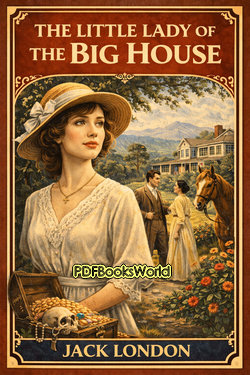
The Little Lady of the Big House is one of the most unusual and emotionally layered novels written by Jack London. Published in 1915, the book differs greatly from London’s famous wilderness adventures by focusing instead on relationships, psychological tension, and personal freedom. Set on a wealthy California ranch, the novel explores the emotional struggles of three people whose lives become entangled in a tragic love triangle.
Life Inside The Big House
At the center of the story is Dick Forrest, a successful ranch owner known for his intelligence, generosity, and energetic personality. Living alongside him is his wife Paula, a talented and independent woman admired for her beauty, athleticism, and artistic spirit. Their comfortable life changes when Evan Graham, an old friend of Dick, arrives at the ranch and develops a deep emotional connection with Paula.
What begins as friendship slowly develops into emotional conflict as Paula struggles between loyalty to her husband and her growing feelings for Evan. The relationships between the three characters create an atmosphere filled with tension, attraction, and emotional uncertainty.
A Different Side of Jack London
Readers familiar with Jack London’s adventure novels are often surprised by the tone of this book. Instead of survival in the wilderness, the novel focuses on emotional complexity, marriage, desire, and psychological realism. London spends considerable time exploring conversations, intellectual debates, music, philosophy, and the inner thoughts of the characters.
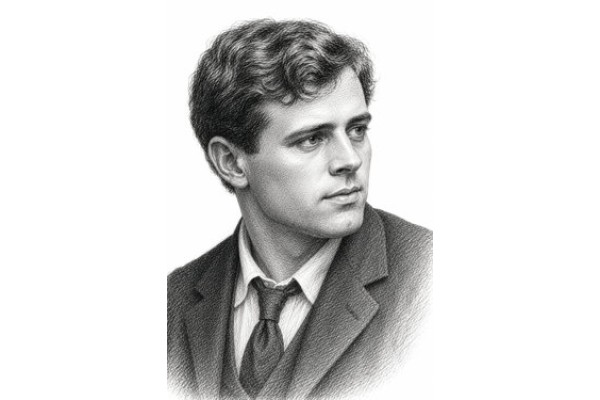
The California ranch setting also reflects London’s personal interests and lifestyle during the later years of his life. Many critics and biographers have noted similarities between the novel’s characters and Jack London’s own relationships and experiences.
Emotions, Freedom, and Social Expectations
The novel examines themes including love, jealousy, personal freedom, emotional honesty, and the limitations imposed by social expectations. Paula’s character in particular stands out because of her independence and emotional depth, qualities that were considered controversial for female literary characters during the early twentieth century.
Jack London also explores the tension between passion and responsibility, showing how emotional desires can challenge even seemingly perfect relationships. These themes give the novel a psychological depth rarely associated with London’s adventure fiction.
Why The Novel Still Draws Interest
Modern readers often find The Little Lady of the Big House fascinating because of its mature emotional conflicts and surprisingly modern themes. The novel approaches relationships with honesty and complexity rather than presenting simple moral judgments.
Its focus on emotional uncertainty, personal identity, and complicated human relationships allows contemporary audiences to connect with the characters despite the historical setting.
The Novel’s Literary Reputation
When the novel was first published, its treatment of romance and sexuality generated controversy among readers and critics. Some viewed the emotional and psychological themes as unusually bold for the time. Today, the book is often recognized as one of Jack London’s most ambitious and psychologically experimental works.
Although it differs from London’s better-known adventure stories, the novel remains important because it demonstrates the author’s willingness to explore emotional and social themes beyond wilderness survival and physical hardship.
Final Thoughts
The Little Lady of the Big House remains a unique and thought-provoking novel within Jack London’s literary career. Through emotional tension, psychological insight, and complex relationships, the story offers a deeper exploration of love, desire, and human vulnerability.
For readers interested in classic literature with emotional depth and mature themes, this novel remains one of Jack London’s most intriguing and unconventional works.