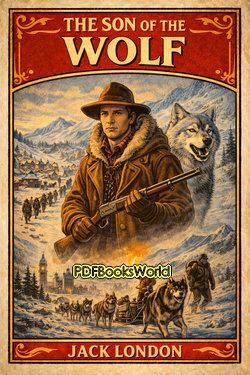
The Son of the Wolf: Harsh and Powerful Tales of the Far North
The Son of the Wolf is the first published collection of short stories written by Jack London. Released in 1900, the book introduced readers to London’s vivid portrayal of life during the Klondike Gold Rush and established many of the themes that would later define his literary career. Set within the frozen wilderness of the Yukon and Alaska, the stories explore survival, endurance, ambition, greed, loyalty, and the brutal relationship between humanity and nature.
Stories From The Frozen North
The collection contains several interconnected stories set in the harsh environment of the Far North during the late nineteenth century. Many of the characters are prospectors, trappers, adventurers, and indigenous inhabitants struggling against freezing temperatures, hunger, isolation, and danger.
Jack London drew heavily from his own experiences in the Yukon during the Klondike Gold Rush, giving the stories an atmosphere of realism and authenticity. The frozen landscapes, dangerous trails, and isolated camps become central elements within the narrative, shaping the decisions and survival instincts of every character.
Survival and Human Nature
One reason The Son of the Wolf remains so compelling is its exploration of survival under extreme conditions. The characters are often forced to confront hunger, exhaustion, violence, betrayal, and moral uncertainty while living in one of the harshest environments imaginable.
London examines how extreme circumstances reveal both the strengths and weaknesses of human nature. Courage, resilience, greed, compassion, and brutality all emerge as people struggle to survive within the unforgiving wilderness.
The Atmosphere of The Klondike Gold Rush
The stories capture the excitement and hardship surrounding the Klondike Gold Rush, a period when thousands of people traveled north searching for wealth and opportunity. Jack London portrays not only the adventure and excitement of the frontier but also the suffering, loneliness, and disappointment experienced by many prospectors.
The harsh natural world often becomes more powerful than the human characters themselves. Snowstorms, freezing rivers, starvation, and endless wilderness create a constant sense of danger throughout the collection.
Recurring Characters and Connected Stories
Several stories within the collection feature recurring characters such as Malemute Kid and other experienced northern adventurers. These recurring figures help connect the stories and create a larger portrait of life in the Yukon frontier.
The collection balances action and adventure with emotional and psychological depth. Some stories focus on friendship and loyalty, while others explore revenge, cultural conflict, sacrifice, or tragic human weakness.
Jack London’s Literary Style
One reason readers continue to admire The Son of the Wolf is Jack London’s vivid and energetic writing style. His descriptions of icy landscapes, physical hardship, and emotional struggle create a powerful sense of realism and tension.
London combines adventure storytelling with philosophical reflection, often examining humanity’s relationship with nature and the instinctive struggle for survival. These themes later became central to many of his most famous works.
The Collection’s Lasting Influence
The publication of The Son of the Wolf helped establish Jack London as a major literary voice in American adventure fiction. The collection introduced readers to the northern settings and survival themes that later appeared in works such as The Call of the Wild and White Fang.
Its realistic portrayal of wilderness survival and frontier life also influenced later adventure fiction and stories centered on humanity’s struggle against nature.
Final Thoughts
The Son of the Wolf remains an important and influential collection within adventure literature. Through harsh northern landscapes, unforgettable characters, and emotionally intense storytelling, Jack London created stories that continue to capture the dangers and fascination of life on the frontier.
For readers interested in survival fiction, wilderness adventure, and classic literature exploring human endurance under extreme conditions, this collection remains a powerful and rewarding reading experience.