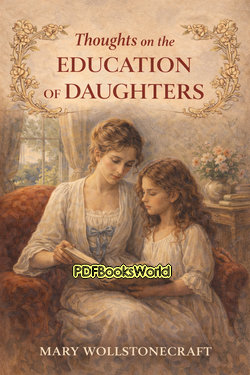
Thoughts on the Education of Daughters
by Mary Wollstonecraft Shelley
An Early Call for Better Opportunities for Women
Thoughts on the Education of Daughters was written by Mary Wollstonecraft, the pioneering writer and advocate for women's rights. Published in 1787, the book predates her more famous work, A Vindication of the Rights of Woman, and offers practical advice on the upbringing and education of girls. At a time when educational opportunities for women were often limited, Wollstonecraft argued that young women should receive instruction that would help them become thoughtful, capable, and independent individuals.
The work reflects her belief that education plays a crucial role in shaping character and that society benefits when women are encouraged to develop their intellectual and moral abilities. Although written in the eighteenth century, many of its ideas remain surprisingly relevant.
Education as the Foundation of Character
Wollstonecraft viewed education as far more than the acquisition of facts. She believed that learning should help individuals develop judgment, self-discipline, and moral understanding. For girls in particular, she argued that education should prepare them not only for domestic responsibilities but also for active participation in society.
Her emphasis on character reflects a broader concern with personal responsibility and lifelong growth. Knowledge, in her view, was valuable because it enabled individuals to make wiser decisions and lead more meaningful lives.
Challenging Traditional Expectations
Many educational systems of Wollstonecraft's time focused heavily on accomplishments considered attractive or fashionable, such as music, drawing, and social etiquette. While she did not dismiss these subjects entirely, she believed that they should not come at the expense of intellectual development.
She encouraged a more balanced education that included reading, reasoning, and practical knowledge. By doing so, she challenged assumptions that women required only superficial accomplishments to fulfill their roles in society.
Major Themes Found Throughout the Book
- Education: The importance of intellectual and moral development.
- Independence: Preparing women to think and act for themselves.
- Character: Cultivating virtue, responsibility, and self-respect.
- Equality of Opportunity: Expanding access to meaningful learning.
These themes helped establish Wollstonecraft as one of the most influential voices in the history of educational and social reform.
The Role of Mothers and Families
Wollstonecraft devoted considerable attention to the influence of parents, particularly mothers, on a child's development. She believed that early guidance could shape habits, values, and attitudes that would last throughout life. Because of this, she emphasized the importance of thoughtful parenting and sound educational practices within the home.
Her observations reveal a deep concern for the well-being of children and the quality of family life.
A Step Toward Women's Rights
Although Thoughts on the Education of Daughters is primarily an educational work, it also contains ideas that would later become central to the movement for women's rights. By arguing that women possessed intellectual abilities worthy of cultivation, Wollstonecraft challenged social attitudes that restricted female opportunities.
The book helped lay the groundwork for later discussions about equality, citizenship, and access to education.
Why Readers Continue to Study the Book
- Historical Importance: An early contribution to educational reform.
- Women's History: A foundational text in the development of feminist thought.
- Practical Insights: Reflections on character, learning, and upbringing.
- Enduring Relevance: Questions about education and opportunity remain significant today.
These qualities ensure the book's continuing importance for students of history, education, and social thought.
Why Thoughts on the Education of Daughters Remains Worth Reading
Thoughts on the Education of Daughters stands as an influential early argument for the intellectual and moral development of women. Through her thoughtful examination of learning, character, and opportunity, Mary Wollstonecraft challenged the limitations of her era and encouraged a broader vision of education. The book remains a valuable historical document and a reminder of the transformative power of knowledge in shaping both individuals and society.
Similar Genres
About the Author
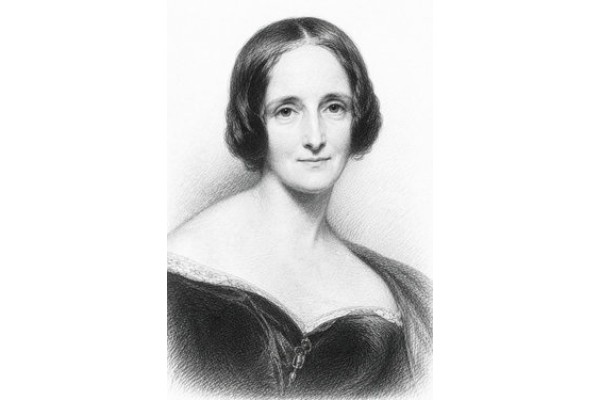
Mary Wollstonecraft Shelley occupies a remarkable place in literary history as the author of Frankenstein, a novel that not only transformed Gothic fiction but also laid the foundations of modern science fiction. Born in London in 1797, she grew up in an intellectually vibrant household as the daughter of philosopher William Godwin and pioneering feminist Mary Wollstonecraft. Explore Mary Wollstonecraft Shelley books to discover the author's life, literary career, and access notable works, including Frankenstein, A Vindication Of The Rights Of Woman, With Strictures On Political And Moral Subjects, Lodore, Vol. 3 (of 3), Lodore, Vol. 2 (of 3) , and more.