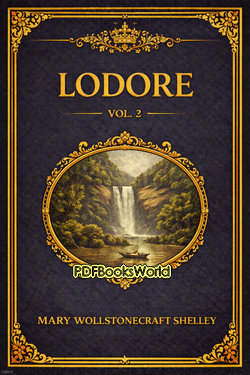
Lodore, Vol. 2 (of 3)
by Mary Wollstonecraft Shelley
An Emotional Middle Volume Filled With Conflict, Society, and Personal Struggle
Lodore, Vol. 2 by Mary Wollstonecraft Shelley continues the thoughtful and emotionally detailed story of family relationships, love, social pressure, and personal independence introduced in the first volume of the novel. In this section of the story, emotional tensions deepen as characters struggle with pride, misunderstanding, financial difficulty, and the expectations of society.
Mary Shelley explores the complicated emotional lives of her characters with intelligence and sensitivity. Rather than focusing on dramatic action alone, the novel carefully examines how personal decisions and social customs affect happiness, friendship, and family life.
Relationships Tested by Society and Emotion
The second volume develops the growing emotional conflicts between the main characters. Questions about marriage, loyalty, money, and independence become increasingly important as misunderstandings and social pressure create distance between people who care for one another.
Ethel Lodore continues to face emotional uncertainty while trying to balance affection, family duty, and personal judgment. Other characters also struggle with jealousy, pride, and emotional disappointment as relationships become more complicated.
The novel pays close attention to the emotional and social difficulties faced by women during the nineteenth century, especially the limited freedom available within marriage and family life.
Main Characters in the Novel
- Ethel Lodore: The intelligent and sensitive heroine trying to navigate emotional and social challenges.
- Edward Villiers: A central figure connected to romance, conflict, and emotional misunderstanding.
- Cornelia Santerre: A proud and emotionally complex woman whose strong personality creates tension within the story.
- Fanny Derham: An independent and thoughtful woman whose ideas challenge traditional social expectations.
These characters create much of the emotional depth and moral discussion found throughout the novel.
The Thoughtful Literary Style of Mary Shelley
Mary Shelley writes in a reflective and emotionally intelligent style that focuses strongly on human psychology and social observation. Conversations, personal reflection, and emotional tension drive much of the story forward.
The writing carefully examines the inner feelings of the characters while also discussing larger social issues such as marriage, education, gender roles, and financial dependence.
Shelley’s calm and serious approach gives the novel a realistic emotional atmosphere that continues to feel meaningful today.
Main Themes Explored in the Book
- Love, pride, and emotional misunderstanding
- The social position of women
- Marriage, independence, and responsibility
- Friendship, loyalty, and personal growth
Why the Novel Still Holds Importance
Lodore remains important because it reflects Mary Shelley’s skill as a writer of emotional and social fiction beyond her famous gothic works. Readers interested in nineteenth-century literature often appreciate the novel’s thoughtful exploration of relationships and society.
The book also addresses issues that continue to feel relevant, including emotional equality, personal independence, and the pressures created by social expectations.
Its careful attention to character psychology and emotional realism gives the story lasting literary value.
The Growing Recognition of Mary Shelley’s Later Works
For many years, Mary Shelley was remembered mainly for Frankenstein, but modern readers and scholars have increasingly recognized the importance of her later novels. Works like Lodore show her deep interest in family life, emotional conflict, and the challenges facing women in society.
The novel also reflects broader social discussions taking place during the nineteenth century about education, marriage, morality, and women’s rights.
This renewed interest has helped bring greater attention to Shelley’s broader literary achievements.
Final Thoughts
Lodore, Vol. 2 by Mary Wollstonecraft Shelley is a thoughtful and emotionally rich continuation of a novel exploring love, family, independence, and social pressure. Through complex relationships and careful psychological observation, Shelley creates a serious and engaging portrait of human emotion and nineteenth-century society.
For readers interested in classic literature, emotional realism, and women’s writing, this volume remains both meaningful and rewarding.
Similar Genres
About the Author
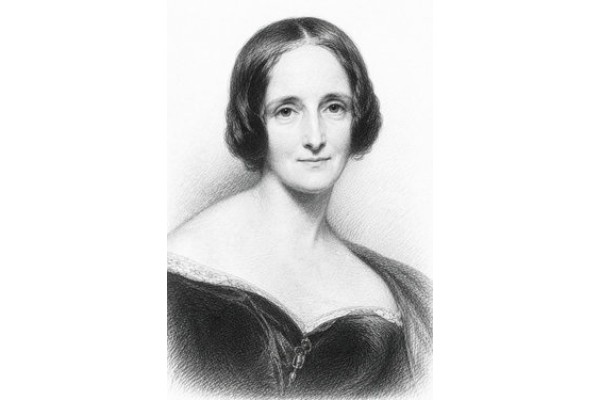
Mary Wollstonecraft Shelley occupies a remarkable place in literary history as the author of Frankenstein, a novel that not only transformed Gothic fiction but also laid the foundations of modern science fiction. Born in London in 1797, she grew up in an intellectually vibrant household as the daughter of philosopher William Godwin and pioneering feminist Mary Wollstonecraft. Explore Mary Wollstonecraft Shelley books to discover the author's life, literary career, and access notable works, including Frankenstein, A Vindication Of The Rights Of Woman, With Strictures On Political And Moral Subjects, Lodore, Vol. 3 (of 3), Lodore, Vol. 1 (of 3) , and more.