A Revolutionary Tale of Science, Creation, and Horror
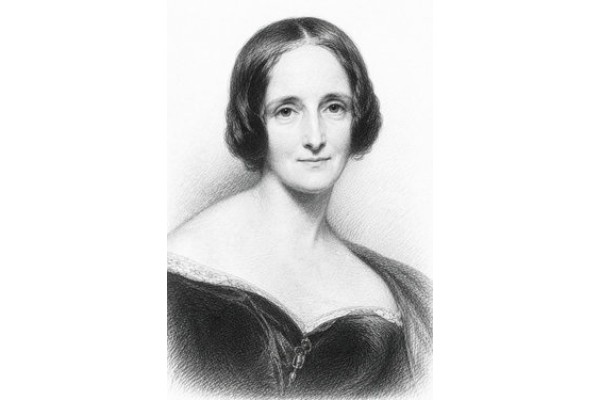
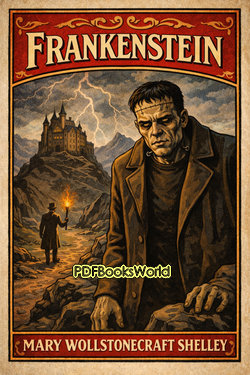
Frankenstein, written by Mary Shelley and first published in 1818, is one of the most influential novels ever created in Gothic and science fiction literature. Often considered one of the earliest science fiction novels, the story combines horror, philosophy, emotion, and scientific ambition within a deeply tragic narrative. Through the story of Victor Frankenstein and the creature he creates, Mary Shelley explores themes of responsibility, isolation, revenge, and the dangers of uncontrolled ambition.
The Dangerous Pursuit of Knowledge
The novel follows Victor Frankenstein, a young scientist obsessed with discovering the secrets of life and death. Driven by scientific curiosity and ambition, Victor succeeds in creating a living being from assembled body parts. However, horrified by the appearance of his creation, he abandons the creature almost immediately after bringing it to life.
Rejected and isolated from society, the creature gradually becomes consumed by loneliness, anger, and emotional suffering. As Victor attempts to escape responsibility for his actions, tragedy begins destroying the lives of those closest to him.
The Tragic Figure of The Creature
One reason Frankenstein remains so powerful is the emotional complexity of the creature itself. Although often portrayed in popular culture as a monster, Mary Shelley presents the being as intelligent, sensitive, and emotionally vulnerable. The creature initially seeks kindness, companionship, and acceptance but becomes violent only after repeated rejection and cruelty from humanity.
This emotional depth transforms the story from simple horror into a tragic exploration of loneliness, prejudice, and the human need for connection. Readers are often forced to question who the true “monster” really is within the novel.
Science, Ethics, and Human Responsibility
The novel explores themes including scientific ambition, moral responsibility, isolation, revenge, creation, and the limits of human knowledge. Victor Frankenstein’s desire to control life itself reflects fears surrounding scientific experimentation and the consequences of pursuing discovery without ethical consideration.
Mary Shelley wrote the novel during a period of growing scientific curiosity involving electricity, anatomy, and the possibility of reanimating dead tissue. These ideas influenced the novel’s atmosphere and helped make the story feel both imaginative and unsettling.
Gothic Atmosphere and Emotional Intensity
One reason Frankenstein continues to captivate readers is its haunting Gothic atmosphere. Shelley combines storms, isolated landscapes, dark laboratories, and emotional despair to create a mood filled with suspense and psychological tension.
The novel also uses a layered narrative structure involving letters and personal storytelling, allowing readers to experience the perspectives of both Victor Frankenstein and the creature. This structure adds emotional complexity and encourages readers to sympathize with multiple characters.
The Lasting Influence of Frankenstein
The impact of Frankenstein on literature and popular culture has been enormous. The novel inspired countless films, theatre productions, television adaptations, comics, and modern reinterpretations that continue to shape how audiences imagine artificial life and scientific experimentation.
The story also introduced themes that remain highly relevant today, particularly concerns surrounding technology, artificial intelligence, scientific ethics, and humanity’s responsibility toward its own creations.
Why Frankenstein Still Matters Today
Modern readers continue to admire Frankenstein because it combines horror and suspense with emotional and philosophical depth. The novel raises timeless questions about loneliness, identity, ambition, morality, and the consequences of rejecting compassion and responsibility.
Its themes remain especially meaningful in an era increasingly shaped by technological advancement and ethical debates surrounding scientific innovation.
Final Thoughts
Frankenstein remains one of the defining masterpieces of Gothic and science fiction literature. Through unforgettable characters, emotional tragedy, and powerful reflections on science and humanity, Mary Shelley created a novel that continues to influence literature, film, and modern culture more than two centuries after its publication.
For readers interested in classic horror, philosophical fiction, and emotionally powerful storytelling, this novel remains an essential and unforgettable reading experience.