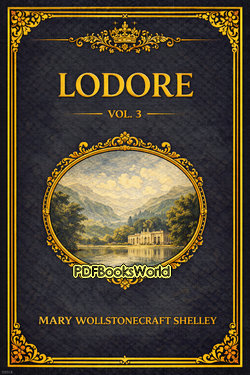
Lodore, Vol. 3 (of 3)
by Mary Wollstonecraft Shelley
A Powerful Final Volume About Love, Independence, and Emotional Conflict
Lodore, Vol. 3 by Mary Wollstonecraft Shelley is the concluding part of a thoughtful and emotional novel exploring family relationships, social expectations, and the struggles faced by women in nineteenth-century society. In this final volume, Mary Shelley brings together the emotional tensions and personal conflicts that developed throughout the earlier parts of the story.
Known widely for Frankenstein, Shelley also wrote social and psychological novels focused on human relationships and moral questions. Lodore reflects her interest in personal independence, emotional responsibility, and the effects of society on private life.
Emotional Struggles and Difficult Choices
The story follows characters dealing with misunderstandings, social pressure, emotional pain, and changing family relationships. Love and loyalty are tested as personal pride and outside expectations create obstacles between people who care deeply for one another.
As the novel approaches its conclusion, characters must confront past mistakes and make important decisions about forgiveness, marriage, independence, and personal happiness. Shelley carefully explores the emotional consequences of selfishness, pride, and poor communication.
The final volume focuses strongly on emotional growth and the search for stability after periods of conflict and uncertainty.
Main Characters in the Novel
- Ethel Lodore: The thoughtful and emotionally sensitive heroine struggling with love, family duty, and independence.
- Lord Lodore: A complicated father figure whose past decisions continue to affect the lives of others.
- Edward Villiers: A central figure connected to emotional conflict, romance, and reconciliation.
- Cornelia Santerre: A proud and emotionally intense woman whose actions influence many relationships in the story.
These characters help create the novel’s emotional depth and social complexity.
The Reflective and Emotional Style of Mary Shelley
Mary Shelley writes with intelligence, emotional sensitivity, and strong understanding of human behavior. Her style is serious and reflective, focusing more on emotional development and social observation than dramatic action.
The novel uses conversations, personal reflection, and emotional conflict to explore questions about family, gender roles, and moral responsibility. Shelley pays close attention to the emotional lives of her characters and the pressures created by society.
Her thoughtful writing gives the novel both literary depth and emotional realism.
Main Themes Explored in the Book
- Love, forgiveness, and reconciliation
- The role of women in society
- Family relationships and personal responsibility
- Emotional growth and independence
Why the Novel Still Holds Literary Importance
Lodore remains important because it reveals another side of Mary Shelley’s literary work beyond science fiction and gothic horror. Readers interested in nineteenth-century literature often appreciate the novel’s careful examination of emotional life and social expectations.
The book also explores issues that continue to feel relevant today, including personal freedom, gender roles, and the balance between love and independence.
Its emotional honesty and psychological depth continue to attract readers interested in classic social novels.
The Lasting Value of Mary Shelley’s Social Fiction
Although Mary Shelley became most famous for Frankenstein, her later novels also made important contributions to English literature. Works like Lodore show her interest in human psychology, moral complexity, and the social difficulties faced by women.
The novel reflects broader nineteenth-century discussions about marriage, education, and emotional responsibility. Shelley’s attention to inner emotional life helped influence later literary traditions focused on psychological realism.
The continuing interest in women writers of the nineteenth century has helped renew appreciation for novels like this.
Final Thoughts
Lodore, Vol. 3 by Mary Wollstonecraft Shelley is a thoughtful and emotionally rich conclusion to a novel about love, family, independence, and personal responsibility. Through complex characters and reflective storytelling, Shelley explores the emotional struggles created by pride, social expectation, and human misunderstanding.
For readers interested in classic literature, women’s writing, and emotionally intelligent social fiction, this novel remains both meaningful and rewarding.
Similar Genres
About the Author
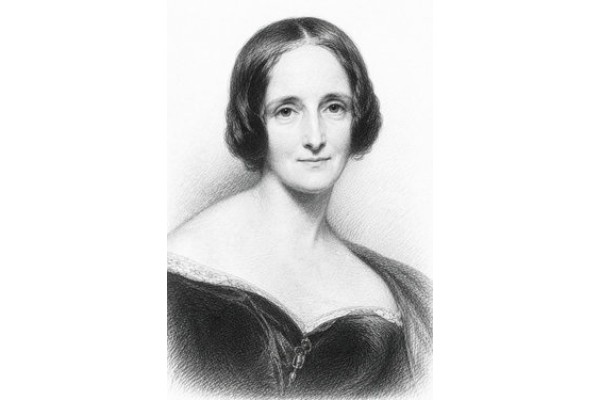
Mary Wollstonecraft Shelley occupies a remarkable place in literary history as the author of Frankenstein, a novel that not only transformed Gothic fiction but also laid the foundations of modern science fiction. Born in London in 1797, she grew up in an intellectually vibrant household as the daughter of philosopher William Godwin and pioneering feminist Mary Wollstonecraft. Explore Mary Wollstonecraft Shelley books to discover the author's life, literary career, and access notable works, including Frankenstein, A Vindication Of The Rights Of Woman, With Strictures On Political And Moral Subjects, Lodore, Vol. 2 (of 3), Lodore, Vol. 1 (of 3) , and more.