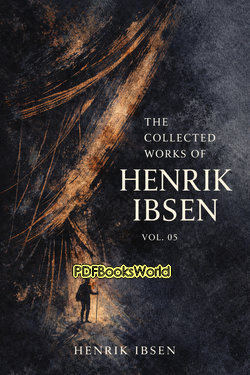
EMPEROR AND GALILEAN - The Collected Works of Henrik Ibsen Vol. 05 (of 11)
by Henrik Ibsen
A Grand Historical Drama of Power, Faith, and Destiny
EMPEROR AND GALILEAN: The Collected Works of Henrik Ibsen (Vol. V) by Henrik Ibsen is one of the playwright's most ambitious and intellectually challenging works. Set in the fourth century, the drama follows the life of the Roman Emperor Julian, a historical figure who attempted to restore pagan traditions in an empire that was increasingly embracing Christianity. Through political conflict, personal struggle, and philosophical debate, Ibsen explores the clash between competing worldviews and the search for meaning in a changing age.
A Story Rooted in History
The play is based on the life of Julian the Apostate, one of the most intriguing rulers of the Roman Empire. Raised in a Christian environment but later drawn to classical philosophy and pagan beliefs, Julian sought to reverse the religious transformation taking place throughout the empire.
Ibsen uses this historical background to create a drama that examines not only political events but also deeper questions about faith, truth, and human purpose.
Characters in the Drama
- Julian: The central figure whose spiritual and political journey drives the story.
- Basil: A Christian thinker and friend who represents religious conviction.
- Gregory: Another influential Christian figure who challenges Julian's beliefs.
- Maximus: A philosopher and mystic who encourages Julian's interest in pagan traditions.
- Helena: Julian's wife, whose presence influences important moments in his life.
- Various Roman Officials and Religious Leaders: Individuals who shape the political and spiritual conflicts of the empire.
Themes Explored Throughout the Play
- Faith and Belief: The struggle between different religious and philosophical systems.
- Power: The responsibilities and challenges that accompany leadership.
- Destiny: Questions about whether individuals control their own futures.
- Idealism: The pursuit of grand visions despite overwhelming obstacles.
- Cultural Change: The transformation of societies during periods of historical transition.
Ibsen's Most Ambitious Work
Henrik Ibsen considered Emperor and Galilean one of his most important achievements. Unlike his later domestic dramas, this work operates on a vast historical scale, spanning years of political and religious conflict. The play combines historical detail with philosophical inquiry, creating a narrative that examines the forces shaping civilizations.
Its scope and complexity distinguish it from many of Ibsen's other works and demonstrate his willingness to tackle profound intellectual themes.
The Conflict Between Old and New Worlds
At the heart of the drama lies a struggle between competing visions of society. Julian seeks to revive ancient traditions, while Christianity represents a growing force that is reshaping the Roman world. This conflict is portrayed not simply as a political contest but as a deeper debate about values, identity, and the direction of human history.
The tension between preserving the past and embracing change gives the play much of its dramatic power.
Why the Drama Remains Significant
The questions raised in Emperor and Galilean continue to resonate because societies frequently face conflicts between tradition and transformation. Readers can recognize parallels between Julian's world and modern debates about culture, belief, and political authority.
The play's exploration of leadership, conviction, and historical change ensures its ongoing relevance for students of literature, history, and philosophy.
A Powerful Exploration of History and Human Belief
EMPEROR AND GALILEAN: The Collected Works of Henrik Ibsen (Vol. V) stands as a remarkable fusion of historical drama and philosophical reflection. Through the life of Emperor Julian and the turbulent world he inhabits, Henrik Ibsen examines the forces that shape individuals and civilizations. Rich in ideas, character, and historical atmosphere, the play remains one of the most ambitious and thought-provoking works in modern dramatic literature.
Similar Genres
About the Author
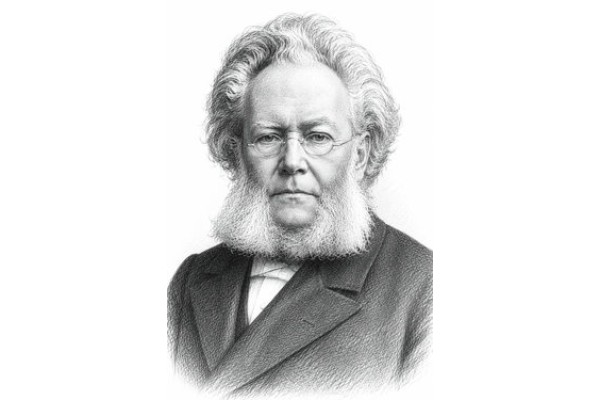
Henrik Ibsen transformed modern drama by bringing realism, psychological depth, and social debate to the theatre. Born in Norway in 1828, he began his literary career writing historical dramas before pioneering a new style of play that examined the lives, choices, and moral struggles of ordinary people. Explore Henrik Ibsen books to discover the author's life, literary career, and access notable works, including A Doll's House, Hedda Gabler, Ghosts, An Enemy of the People , and more.