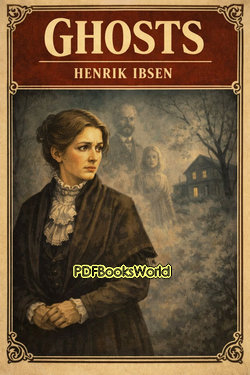
Ghosts
by Henrik Ibsen
Ghosts and Henrik Ibsen’s Powerful Critique of Society, Morality, and Hidden Truths
Bold, controversial, and emotionally intense, Ghosts by Henrik Ibsen remains one of the most important plays in modern drama. When it first appeared, the play shocked audiences because of its direct confrontation with social hypocrisy, family secrets, inherited suffering, and moral repression.
Through deeply personal conflict and psychological realism, Ibsen challenged the respectable public image of society and revealed the hidden consequences of silence and denial.
A Drama Built on Secrets and Consequences
The story centers on a respected family whose carefully maintained reputation begins to collapse as long-hidden truths emerge. As the characters confront the past, they are forced to face the emotional and moral consequences of decisions concealed for years.
Rather than presenting heroic figures or romantic ideals, Ibsen focuses on ordinary individuals trapped by social expectations and personal fear.
What Makes the Play So Influential
- Psychological realism and emotional intensity
- Criticism of social hypocrisy and repression
- Complex and morally conflicted characters
- Exploration of family secrets and inherited consequences
- Major influence on modern theater
The Meaning Behind the “Ghosts”
The title does not refer primarily to supernatural spirits, but to the invisible forces of the past that continue shaping people’s lives. Old beliefs, hidden actions, social conventions, and inherited problems become the “ghosts” haunting the characters throughout the play.
Ibsen uses this idea to suggest that society often remains trapped by outdated values and unspoken truths.
Major Themes Explored Throughout the Play
- The destructive power of secrecy and denial
- Social hypocrisy and moral conformity
- The influence of the past on the present
- Personal freedom versus societal expectation
- The emotional consequences of repression
Why Ghosts Caused Controversy
When the play was first performed, many audiences considered it scandalous because it openly addressed issues that polite society preferred to avoid. Ibsen challenged traditional assumptions about family, morality, marriage, and respectability in ways that felt deeply unsettling at the time.
Its realism and emotional honesty helped transform modern theater by encouraging drama to confront serious social issues directly.
Readers interested in realist drama often explore the rise of realism in nineteenth-century literature and theater to better understand the artistic movement connected to Ibsen’s work.
Henrik Ibsen’s Influence on Modern Drama
Henrik Ibsen became one of the founders of modern realistic theater because of his willingness to examine social problems and psychological conflict with unusual honesty. His plays influenced countless dramatists by proving that theater could address controversial issues while maintaining artistic depth.
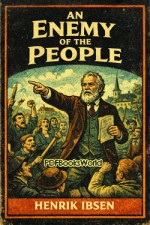
Works such as A Doll’s House, An Enemy of the People, and Ghosts reshaped the direction of modern dramatic literature.
Reasons the Play Continues to Be Studied
- Groundbreaking psychological realism
- Powerful critique of social conventions
- Emotionally complex characters and themes
- Influential role in modern theater history
- Still relevant discussions of truth and repression
The Enduring Power of Social Drama
Social dramas remain important because they reveal how cultural expectations and hidden truths affect individual lives. Plays like Ghosts continue resonating because they encourage audiences to question appearances, confront uncomfortable realities, and examine the consequences of silence.
Its lasting influence demonstrates the power of theater to challenge society as well as entertain it.
Final Thoughts
Ghosts remains one of Henrik Ibsen’s most daring and influential works. Through emotional realism, social criticism, and psychological depth, Ibsen created a play that continues to provoke thought and discussion more than a century after its publication. Its enduring importance secures its place among the greatest achievements of modern drama.
Similar Genres
About the Author
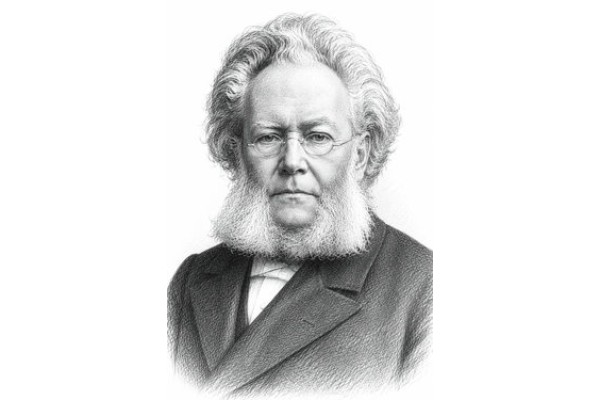
Henrik Ibsen transformed modern drama by bringing realism, psychological depth, and social debate to the theatre. Born in Norway in 1828, he began his literary career writing historical dramas before pioneering a new style of play that examined the lives, choices, and moral struggles of ordinary people. Explore Henrik Ibsen books to discover the author's life, literary career, and access notable works, including A Doll's House, Hedda Gabler, An Enemy of the People, The Collected Works of Henrik Ibsen, Vol. 01 , and more.