
Hedda Gabler
by Henrik Ibsen
Power, Manipulation, and Tragedy in Hedda Gabler
Hedda Gabler by Henrik Ibsen is one of the most influential plays in modern drama. First performed in 1891, the play explores control, frustration, social expectations, and emotional manipulation through the complex character of Hedda, a woman trapped by the limitations of her society.
The story begins shortly after Hedda returns from her honeymoon with her husband, George Tesman. Although her life appears comfortable and respectable, Hedda quickly becomes restless and dissatisfied. Her attempts to influence the lives of those around her lead to tension, destruction, and tragedy.
Why the Play Remains Important
Henrik Ibsen created a psychologically rich drama that still feels modern today. The play examines emotional repression, personal freedom, and the pressure placed on women in nineteenth-century society.
Main Reasons Readers and Audiences Admire the Play
- Complex and unforgettable main character
- Psychological depth and realism
- Sharp social criticism
- Tense and emotional dialogue
- Influence on modern theatre
Many literary critics consider Hedda one of the greatest dramatic characters ever written because of her intelligence, cruelty, vulnerability, and unpredictability.
Hedda as a Literary Character
Hedda Gabler is neither a traditional heroine nor a simple villain. She struggles with boredom, social pressure, and a deep desire for control over her own life. Her actions often hurt the people around her, yet the play also shows her emotional isolation and frustration.
Ibsen presents Hedda as a complicated human being shaped by both personal weakness and restrictive social expectations.
Themes That Define the Play
Hedda Gabler explores themes that continue to connect with modern audiences. The play questions how society limits individual freedom and how emotional repression can lead to destructive behavior.
Major Themes in Hedda Gabler
- Control and manipulation
- Social expectations and reputation
- Fear of scandal
- Freedom versus responsibility
- Psychological frustration and isolation
Readers interested in deeper literary interpretation can explore SparkNotes analysis of Hedda Gabler.
Henrik Ibsen’s Influence on Modern Drama
Henrik Ibsen helped transform theatre by focusing on realistic characters and social problems rather than exaggerated melodrama. His plays often challenged traditional ideas about marriage, morality, and gender roles.
Hedda Gabler became especially important because of its psychological realism and its portrayal of a deeply conflicted female protagonist.
More about Ibsen’s literary influence can be found in Encyclopaedia Britannica’s biography of Henrik Ibsen.
The Play’s Legacy
The play continues to be performed around the world because its themes remain timeless. Modern audiences still connect with Hedda’s emotional conflict, dissatisfaction, and search for meaning.
Scholars often describe the play as one of the foundations of modern psychological drama and realistic theatre.
Final Thoughts
Hedda Gabler remains a powerful exploration of human psychology, emotional repression, and social expectation. Henrik Ibsen created a timeless drama that continues to challenge audiences with its moral complexity and unforgettable central character.
Similar Genres
About the Author
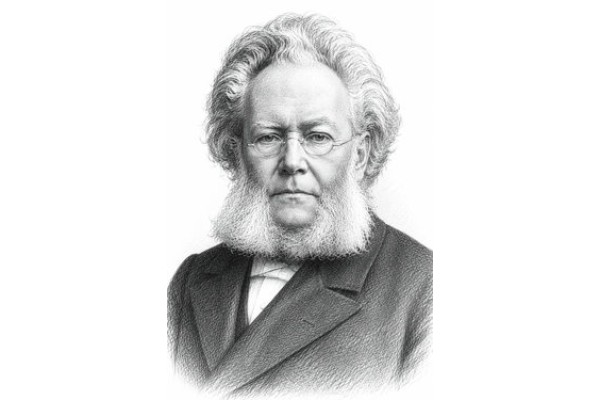
Henrik Ibsen transformed modern drama by bringing realism, psychological depth, and social debate to the theatre. Born in Norway in 1828, he began his literary career writing historical dramas before pioneering a new style of play that examined the lives, choices, and moral struggles of ordinary people. Explore Henrik Ibsen books to discover the author's life, literary career, and access notable works, including A Doll's House, Ghosts, An Enemy of the People, The Collected Works of Henrik Ibsen, Vol. 01 , and more.