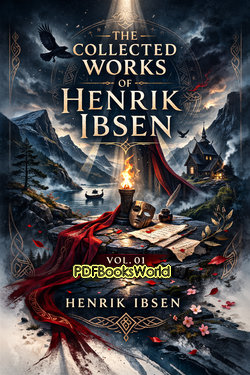
The Collected Works of Henrik Ibsen, Vol. 01
by Henrik Ibsen
An Introduction to One of Modern Drama's Greatest Voices
The Collected Works of Henrik Ibsen, Vol. 01 brings together some of the early dramatic writings of Henrik Ibsen, the Norwegian playwright widely regarded as one of the founders of modern theater. This volume offers readers an opportunity to explore the beginnings of a literary career that would profoundly influence drama throughout the world.
Although Ibsen is best known for later masterpieces such as A Doll's House, Ghosts, and An Enemy of the People, his early works reveal the development of themes, techniques, and ideas that would eventually define his mature style. These plays demonstrate a writer experimenting with history, legend, poetry, and character while gradually refining his dramatic voice.
The collection provides valuable insight into the artistic evolution of one of literature's most important playwrights.
The Early Years of Henrik Ibsen
Ibsen began his career during a period when European theater was undergoing significant change. Romanticism still exerted a strong influence, and many playwrights drew inspiration from national history, folklore, and heroic traditions.
The works gathered in this volume reflect these literary currents. They often feature historical settings, dramatic conflicts, and larger-than-life characters while revealing Ibsen's growing interest in human motivation and social issues.
Readers can observe a young dramatist searching for forms that would later lead to groundbreaking achievements.
History, Legend, and National Identity
A prominent feature of Ibsen's early drama is its engagement with historical and legendary material. Drawing upon Scandinavian history and tradition, he explores themes of leadership, honor, loyalty, and destiny.
These subjects appealed strongly to nineteenth-century audiences, who often viewed literature as a means of expressing national culture and identity.
Through dramatic storytelling, Ibsen contributes to this cultural conversation while beginning to develop the psychological depth that would later distinguish his work.
Recurring Themes in the Collection
Even in his earliest plays, several themes emerge that would remain important throughout Ibsen's career.
- The conflict between personal desires and social obligations.
- The struggle for individual identity.
- The influence of power and authority.
- The consequences of moral and ethical choices.
These concerns provide continuity between the youthful works in this volume and the mature dramas that later secured Ibsen's international reputation.
The Development of Dramatic Technique
One of the most interesting aspects of the collection is the opportunity it provides to observe Ibsen's artistic growth. His early plays often employ poetic language, historical settings, and dramatic conventions popular during his era.
At the same time, readers can see the emergence of a more realistic and psychologically complex approach to characterization. Individuals are rarely portrayed as purely heroic or villainous. Instead, they possess mixed motives, personal flaws, and emotional conflicts.
This attention to character would become one of Ibsen's defining strengths.
Ibsen's Influence on Modern Theater
Although the plays in this volume belong to the earlier phase of his career, they form part of the foundation upon which modern drama was built. Ibsen's later innovations transformed theatrical storytelling by emphasizing realism, social criticism, and psychological depth.
Understanding his early work helps readers appreciate how these innovations developed. The collection reveals a playwright gradually moving beyond established conventions and toward a new vision of dramatic art.
This process of artistic evolution makes the volume especially valuable for students of literature and theater history.
A Window into Nineteenth-Century Drama
Beyond its importance within Ibsen's career, the collection offers insight into the broader literary culture of nineteenth-century Europe. The plays reflect contemporary interests in history, nationalism, heroism, and moral conflict.
Readers encounter dramatic traditions that shaped the theatrical world before realism became dominant. This historical perspective enriches understanding of both Ibsen's achievements and the development of modern drama as a whole.
The volume therefore serves both as literature and as an important cultural document.
Final Thoughts
The Collected Works of Henrik Ibsen, Vol. 01 provides a fascinating introduction to the early career of one of the world's greatest playwrights. Through historical dramas, poetic narratives, and evolving character studies, the collection reveals the foundations of Ibsen's artistic vision and the beginnings of a literary journey that would transform modern theater.
For readers interested in drama, literary history, Scandinavian culture, and the development of modern realism, this volume offers an engaging and rewarding exploration of a master playwright's formative years.
Similar Genres
About the Author
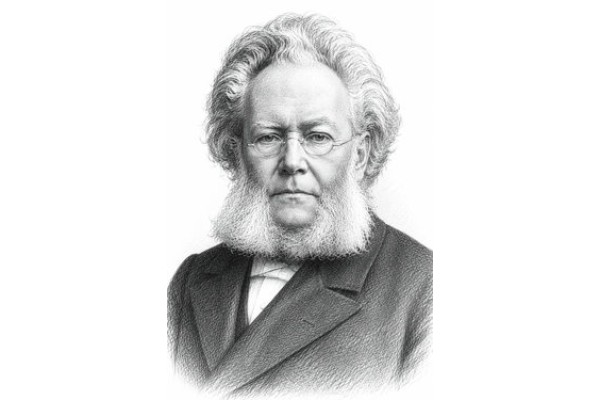
Henrik Ibsen transformed modern drama by bringing realism, psychological depth, and social debate to the theatre. Born in Norway in 1828, he began his literary career writing historical dramas before pioneering a new style of play that examined the lives, choices, and moral struggles of ordinary people. Explore Henrik Ibsen books to discover the author's life, literary career, and access notable works, including A Doll's House, Hedda Gabler, Ghosts, An Enemy of the People , and more.