A Doll's House
by Henrik Ibsen
Breaking the Dollhouse: Freedom and Identity in A Doll's House
A Doll's House is a famous play written by Henrik Ibsen in 1879. The play explores marriage, freedom, honesty, and the role of women in society. It became one of the most important works in modern drama because of its realistic characters and social themes.
About the Author
Henrik Ibsen was a Norwegian playwright who helped shape modern theatre. His plays focused on real social problems, family relationships, and personal struggles.
Main Characters
Nora Helmer: Nora is the main character of the play. She appears cheerful and dependent at first, but later shows courage, intelligence, and a desire for independence.
Torvald Helmer: Torvald is Nora’s husband and a bank manager. He cares deeply about reputation and often treats Nora like a child instead of an equal partner.
Nils Krogstad: Krogstad is a bank employee who knows Nora’s secret and creates tension throughout the story.
Mrs. Kristine Linde: Mrs. Linde is Nora’s old friend. She is practical, independent, and honest.
Dr. Rank: Dr. Rank is a close family friend who suffers from illness and quietly cares for Nora.
Story Summary
The story begins during Christmas in the Helmer household. Nora is happy because Torvald has received a promotion at the bank. However, Nora hides a dangerous secret. Years earlier, she borrowed money illegally to save Torvald’s life and secretly signed her father’s name on the loan papers.
Krogstad threatens Nora because he fears losing his job. Nora becomes anxious and tries to keep the truth hidden from Torvald. She believes her husband will support her if the secret is revealed.
When Torvald learns the truth, he reacts angrily and worries mainly about his reputation. Although the situation later improves, Nora realizes that her marriage lacks true understanding and equality. She decides to leave her home and discover her own identity.
Major Themes
Women’s Rights and Freedom: The play shows the limited freedom women had in society. Nora’s decision to leave her home represents independence and self-respect.
Marriage and Relationships: The marriage between Nora and Torvald appears happy on the surface but lacks honesty and equality.
Identity and Self-Discovery: Nora realizes she has spent her life trying to satisfy others instead of understanding herself.
Society and Reputation: Many characters care deeply about social status and public opinion, especially Torvald.
Importance of the Play
The play shocked many people when it was first performed because Nora leaves her husband and children. It challenged traditional beliefs about marriage and women’s roles in society.
Writing Style
Henrik Ibsen used realistic dialogue and believable characters. His focus on everyday problems made the play modern and relatable.
Conclusion
A Doll's House remains one of the most influential plays in literature. Through Nora’s journey, Henrik Ibsen explored freedom, identity, equality, and human dignity in a powerful and lasting way.
Similar Genres
About the Author
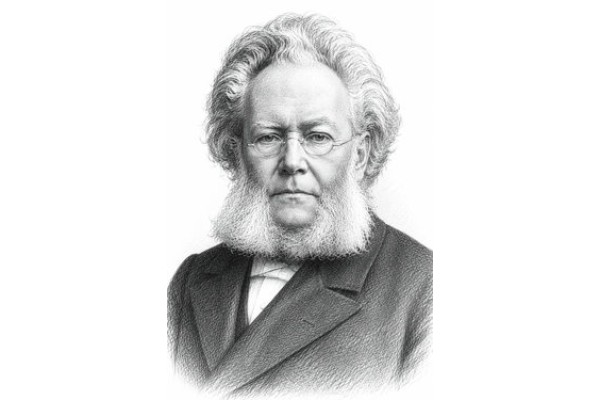
Henrik Ibsen transformed modern drama by bringing realism, psychological depth, and social debate to the theatre. Born in Norway in 1828, he began his literary career writing historical dramas before pioneering a new style of play that examined the lives, choices, and moral struggles of ordinary people. Explore Henrik Ibsen books to discover the author's life, literary career, and access notable works, including Hedda Gabler, Ghosts, An Enemy of the People, The Collected Works of Henrik Ibsen, Vol. 01 , and more.