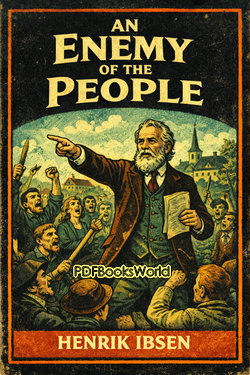
An Enemy of the People
by Henrik Ibsen
A Powerful Drama About Truth, Public Opinion, and Moral Courage
An Enemy of the People by Henrik Ibsen is one of the most influential social dramas in modern theater. Through political conflict, public controversy, and personal struggle, Ibsen examines the difficult relationship between truth, power, majority opinion, and individual conscience.
The play tells the story of a man who discovers a dangerous public problem but faces hostility and isolation when he attempts to reveal the truth. Combining realism, political debate, and psychological tension, the drama remains remarkably relevant in modern society.
The Discovery That Creates Conflict
The story centers on Dr. Thomas Stockmann, a respected physician living in a small town whose economy depends heavily on its famous public baths. After scientific investigation, Stockmann discovers that the water supply has become dangerously contaminated and threatens public health.
Believing the problem must be corrected immediately, he expects public gratitude for protecting the community. Instead, powerful political and economic interests attempt to silence him because repairing the baths would be expensive and damaging to the town’s reputation.
The conflict gradually turns Stockmann from respected citizen into a public enemy.
Main Characters
- Dr. Thomas Stockmann, the idealistic doctor determined to reveal the truth
- Peter Stockmann, his politically powerful brother opposing public disclosure
- Katherine Stockmann, the doctor’s supportive but worried wife
- Journalists, politicians, and townspeople influenced by public opinion and self-interest
These characters help explore the tension between honesty, politics, and social pressure.
The Conflict Between Truth and Society
One of the play’s central ideas is that society often resists uncomfortable truths, especially when money, reputation, or political stability are threatened. Ibsen shows how public opinion can become manipulated by fear, economic interest, and majority pressure.
Dr. Stockmann’s struggle raises difficult questions about democracy, freedom of speech, and whether individuals should continue defending truth even when abandoned by society.
The play challenges audiences to think about the cost of moral courage.
Main Themes Explored in the Play
- Truth versus public opinion
- Political corruption and economic self-interest
- Individual conscience and moral responsibility
- The dangers of conformity and social pressure
These themes continue to feel highly relevant in modern political and social discussions.
The Writing Style of Henrik Ibsen
Ibsen writes with realism, sharp dialogue, and psychological intensity. The play avoids exaggerated melodrama and instead focuses on believable social conflict and moral debate.
The conversations feel natural while also carrying deep philosophical and political meaning. Ibsen’s ability to combine realistic situations with major social questions helped transform modern theater.
His characters remain compelling because their struggles feel emotionally and politically realistic.
Why An Enemy of the People Still Matters
An Enemy of the People remains important because it addresses timeless questions about honesty, public responsibility, political influence, and the courage required to challenge popular opinion.
For readers interested in political drama, social criticism, modern theater, and ethical conflict, Henrik Ibsen’s play continues to offer a powerful and thought-provoking exploration of truth and integrity in society.
Similar Genres
About the Author
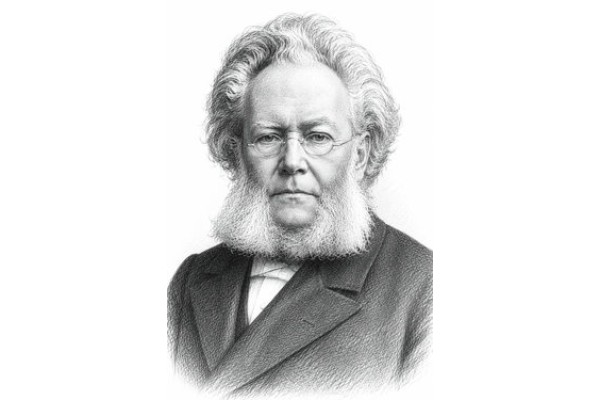
Henrik Ibsen transformed modern drama by bringing realism, psychological depth, and social debate to the theatre. Born in Norway in 1828, he began his literary career writing historical dramas before pioneering a new style of play that examined the lives, choices, and moral struggles of ordinary people. Explore Henrik Ibsen books to discover the author's life, literary career, and access notable works, including A Doll's House, Hedda Gabler, Ghosts, The Collected Works of Henrik Ibsen, Vol. 01 , and more.