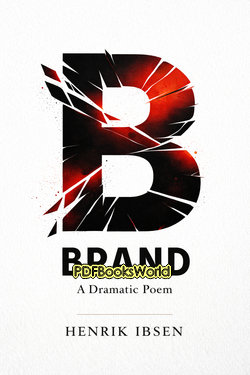
BRAND - The Collected Works of Henrik Ibsen Vol. 03 (of 11)
by Henrik Ibsen
An Intense Drama of Idealism, Faith, and Human Sacrifice
BRAND: The Collected Works of Henrik Ibsen (Vol. III) by Henrik Ibsen is one of the Norwegian playwright's most powerful and philosophical dramas. First published in 1866, the play examines the consequences of uncompromising idealism through the life of a passionate clergyman determined to live according to absolute principles. Combining poetic language, psychological depth, and profound moral questions, Brand helped establish Ibsen as one of the most important dramatists of the modern era.
A Man Who Demands Everything
At the center of the play is Brand, a minister whose guiding belief is that individuals must commit themselves completely to their convictions. He rejects compromise in all forms, insisting that true faith and integrity require total dedication. This philosophy shapes every decision he makes and influences everyone around him.
As Brand pursues his ideals, he encounters increasingly difficult situations that force him to confront the costs of his uncompromising outlook. The resulting conflicts drive the drama and raise questions about the limits of human perfection.
Characters in the Play
- Brand: A passionate minister who demands absolute commitment to faith and duty.
- Agnes: Brand's devoted wife, whose love and sacrifice form an emotional center of the drama.
- Einar: A poet whose outlook on life contrasts with Brand's strict idealism.
- Gerd: A troubled young woman whose visions and beliefs contribute to the play's symbolic dimensions.
- The Mayor: A practical community leader who represents compromise and worldly concerns.
- Brand's Mother: A figure whose relationship with Brand reveals important aspects of his character and values.
Themes at the Heart of the Drama
- Idealism: The pursuit of absolute principles regardless of personal cost.
- Faith: Questions about religious commitment and spiritual responsibility.
- Sacrifice: The emotional and personal consequences of unwavering conviction.
- Individual Responsibility: The challenge of living according to one's beliefs.
- Conflict Between Ideals and Reality: The tension between perfection and human limitations.
A Landmark in Ibsen's Career
Brand marked a turning point in Henrik Ibsen's development as a writer. The play demonstrated his ability to combine philosophical ideas with compelling drama and complex characterization. Although written in verse, it explores psychological and moral issues that would become central to his later works.
The success of the play significantly increased Ibsen's reputation and established him as a major literary figure beyond Norway.
The Question of Uncompromising Principles
One of the drama's most enduring strengths is its refusal to provide easy answers. Brand's dedication to his ideals can appear admirable, yet it also creates suffering for both himself and those he loves. Readers and audiences are left to consider whether absolute commitment is a virtue or a dangerous form of rigidity.
This complexity has inspired discussion and interpretation for generations, making the play a rich subject for literary study.
Why the Play Remains Important
The questions explored in Brand continue to resonate because they address universal human concerns. People still struggle with balancing principles and practicality, personal conviction and compassion, ambition and responsibility. Ibsen's exploration of these tensions gives the play lasting relevance.
Its combination of dramatic power and philosophical depth ensures its place among the most significant works of nineteenth-century literature.
A Powerful Exploration of Conviction and Consequence
BRAND: The Collected Works of Henrik Ibsen (Vol. III) remains one of Henrik Ibsen's most ambitious and thought-provoking creations. Through the unforgettable figure of Brand and the people whose lives are shaped by his ideals, the play examines the rewards and dangers of uncompromising commitment. It stands as a profound work of drama that continues to challenge readers and audiences with its timeless questions about faith, duty, and human nature.
Similar Genres
About the Author

Henrik Ibsen transformed modern drama by bringing realism, psychological depth, and social debate to the theatre. Born in Norway in 1828, he began his literary career writing historical dramas before pioneering a new style of play that examined the lives, choices, and moral struggles of ordinary people. Explore Henrik Ibsen books to discover the author's life, literary career, and access notable works, including A Doll's House, Hedda Gabler, Ghosts, An Enemy of the People , and more.