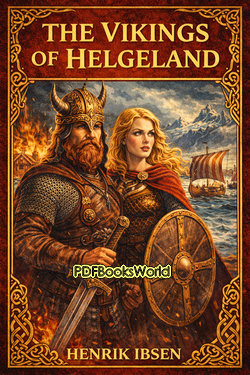
THE VIKINGS AT HELGELAND: The Collected Works of Henrik Ibsen (Vol. II)
by Henrik Ibsen
An Epic Drama of Honor, Loyalty, and Revenge
The Vikings at Helgeland: The Collected Works of Henrik Ibsen (Vol. II) by Henrik Ibsen is a powerful historical drama set in the rugged world of medieval Scandinavia. Drawing inspiration from Norse sagas and Viking traditions, Ibsen crafts a story filled with fierce emotions, conflicting loyalties, and tragic consequences. Written early in his career, the play showcases his talent for creating complex characters and exploring the moral choices that shape human destinies.
A Journey into the Viking Age
The play transports readers to a society governed by honor, courage, and personal reputation. In this world, loyalty to family and comrades is highly valued, while betrayal can lead to lasting conflict. The harsh yet dramatic setting provides the foundation for a story in which emotions often prove as dangerous as weapons.
Ibsen uses the Viking era not merely as a historical backdrop but as a way to explore timeless questions about pride, love, and responsibility. The result is a drama that feels both ancient and surprisingly modern.
The Principal Characters
- Sigurd: A respected warrior whose actions influence the fate of those around him.
- Gunnar: A noble but conflicted figure caught between duty and personal desire.
- Hjördis: One of Ibsen's most memorable early heroines, driven by passion, pride, and determination.
- Dagny: A character whose kindness and loyalty provide an important contrast to the play's darker forces.
Themes That Drive the Drama
- Honor and Reputation: Characters place immense value on personal and family honor.
- Love and Jealousy: Emotional conflicts shape many of the play's major events.
- Revenge: Past grievances fuel tension and tragic decisions.
- Loyalty: The bonds between family members and companions are constantly tested.
- Fate and Choice: Characters struggle between destiny and their own actions.
Ibsen's Early Dramatic Vision
Before becoming famous for realistic masterpieces such as A Doll's House and Ghosts, Ibsen explored historical and legendary subjects. The Vikings at Helgeland reflects this period of his career, combining the grandeur of Norse legend with psychological depth.
Even in this early work, readers can see Ibsen's interest in strong-willed individuals whose choices create profound consequences. His characters are not simple heroes or villains but complex people driven by competing desires and beliefs.
The Influence of Norse Tradition
The play draws heavily from Icelandic sagas and Scandinavian folklore. Themes of bravery, vengeance, and honor echo the stories that shaped Viking culture and literature. These influences give the drama an epic quality while helping preserve aspects of Nordic heritage.
At the same time, Ibsen uses these traditional elements to examine universal human emotions, making the story accessible to audiences far removed from the Viking world.
Why the Play Remains Important
Although it is not as widely known as some of Ibsen's later works, The Vikings at Helgeland remains an important part of his literary development. The play offers insight into the themes and dramatic techniques that would later make him one of the most influential playwrights in modern literature.
Readers interested in historical drama, Norse culture, and classic theater will find the work both entertaining and thought-provoking.
A Dramatic Tale from Scandinavia's Legendary Past
The Vikings at Helgeland: The Collected Works of Henrik Ibsen (Vol. II) combines epic storytelling with powerful emotional conflict. Through memorable characters and timeless themes of honor, love, and revenge, Henrik Ibsen creates a drama that captures the spirit of the Viking age while exploring enduring aspects of human nature. The play remains a rewarding read for anyone interested in classic literature and historical drama.
Similar Genres
About the Author
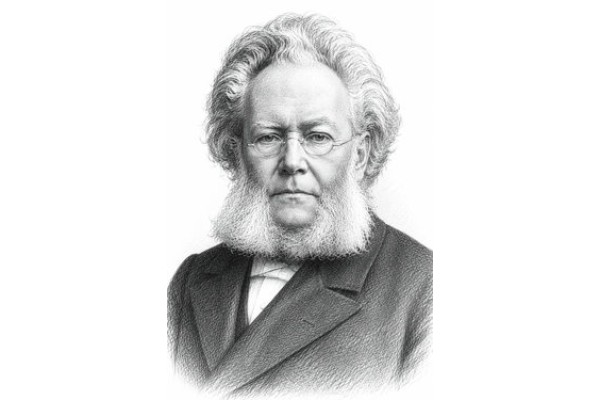
Henrik Ibsen transformed modern drama by bringing realism, psychological depth, and social debate to the theatre. Born in Norway in 1828, he began his literary career writing historical dramas before pioneering a new style of play that examined the lives, choices, and moral struggles of ordinary people. Explore Henrik Ibsen books to discover the author's life, literary career, and access notable works, including A Doll's House, Hedda Gabler, Ghosts, An Enemy of the People , and more.