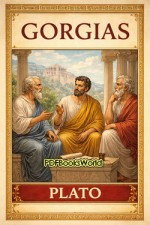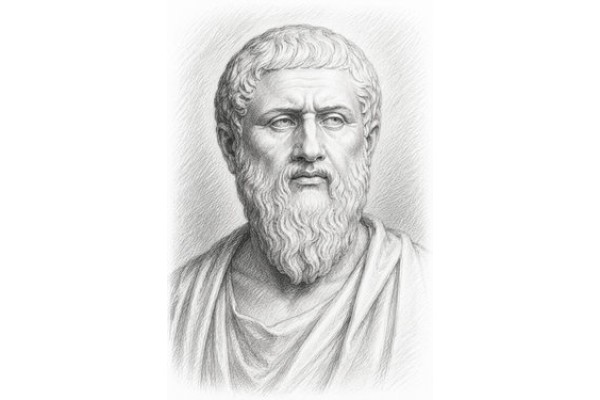
Plato
Plato stands among the most influential thinkers in the history of Western civilization. Born in ancient Athens around 428 BCE, he was a philosopher, teacher, and writer whose ideas have shaped philosophy, politics, ethics, education, and science for more than two thousand years. A student of Socrates and the teacher of Aristotle, Plato established the Academy, one of the earliest institutions of higher learning in the Western world. Rather than presenting straightforward arguments, he often expressed his ideas through engaging dialogues, encouraging readers to question assumptions and seek truth through reasoned discussion. His writings remain foundational to philosophy and continue to inspire scholars and general readers alike.
Shaping the Foundations of Western Thought
Plato believed that knowledge should be pursued through careful reasoning, thoughtful inquiry, and open dialogue. His works explore profound questions about justice, virtue, love, government, education, and the nature of reality, many of which remain relevant today. Instead of offering simple answers, he challenged readers to think critically about the world and their place within it. His concept of the ideal society, reflections on ethical living, and exploration of human knowledge profoundly influenced philosophy, political theory, religion, and literature throughout history.
Beyond his philosophical contributions, Plato's clear and engaging dialogue style transformed complex ideas into memorable conversations. This literary approach has ensured that his works remain accessible to readers seeking both intellectual insight and timeless wisdom.
Essential Works
- The Republic examines justice, leadership, education, and the qualities of an ideal society.
- Apology recounts the defense of Socrates and explores the importance of truth and integrity.
- Phaedo presents a thoughtful discussion on the soul, immortality, and the meaning of philosophy.
- Symposium explores the nature of love through a series of memorable philosophical speeches.
- Meno investigates virtue, knowledge, and the process of learning through dialogue.
- Timaeus examines the origins of the universe and humanity through philosophical speculation.
An Intellectual Legacy That Endures
Few writers have influenced human thought as profoundly as Plato. His dialogues continue to encourage readers to question, reason, and seek wisdom, making them enduring classics that transcend cultures and generations. The ideas he introduced continue to shape discussions in philosophy, politics, ethics, education, and beyond, confirming his place as one of history's greatest intellectual figures.
If you enjoy timeless works that challenge the mind and encourage deeper reflection, the writings of Plato are well worth exploring. At PDFBooksWorld, you can discover a collection of his classic dialogues and experience the ideas that have inspired philosophers, scholars, and readers for more than two millennia.
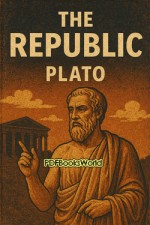
The Republic
Plato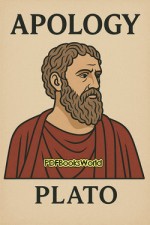
Apology
Plato
Euthyphro
Plato
Symposium
Plato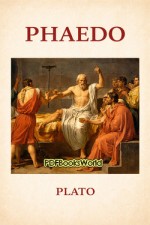
Phaedo
Plato
Phaedrus
Plato