Symposium
by Plato
A Timeless Philosophical Dialogue About Love, Beauty, and Human Desire
Symposium by Plato is one of the most important works of ancient philosophy and literature. Written around 385 BCE, the book presents a series of conversations about the nature of love during a banquet attended by several prominent thinkers in ancient Greece.
Through speeches and philosophical debate, Plato explores different ideas about love, desire, beauty, and human relationships. The dialogue is especially famous for the teachings of Socrates and the philosopher Diotima, whose ideas about spiritual and intellectual love became highly influential in classical philosophy and Western thought.
About the Author
Plato was an ancient Greek philosopher and one of the founding figures of Western philosophy. A student of Socrates and the teacher of Aristotle, Plato wrote many influential dialogues about ethics, politics, knowledge, and human nature.
His works shaped philosophy, education, and intellectual history for centuries. Through dialogues like Symposium, Plato combined storytelling with philosophical discussion in a way that continues to influence readers and scholars today.
Main Themes of the Dialogue
The dialogue takes place during a banquet where guests decide to give speeches praising love, also known as Eros. Each speaker presents a different interpretation of love and its importance in human life.
Important Themes Discussed
- The meaning and purpose of love
- Beauty and human desire
- The relationship between physical and spiritual attraction
- The search for wisdom and truth
The discussion gradually moves from simple ideas about romantic attraction toward deeper philosophical reflections about intellectual and spiritual beauty.
The Philosophy of Love
One of the most famous sections of the book involves Socrates explaining the teachings of Diotima, who describes love as a force that guides people toward wisdom, creativity, and the appreciation of eternal beauty.
According to Diotima’s ideas, love begins with physical attraction but can eventually lead to a higher understanding of truth and spiritual fulfillment. This philosophical concept later became highly influential in literature, religion, and philosophy.
What Makes the Dialogue Unique
- Multiple perspectives on love and desire
- Combination of storytelling and philosophy
- Deep influence on Western intellectual tradition
Writing Style
Plato’s writing style is conversational, thoughtful, and philosophical. Instead of presenting ideas through formal arguments alone, he uses dialogue between characters to explore complex concepts in an engaging way.
The mixture of storytelling, humor, and intellectual discussion makes the work accessible despite its deep philosophical themes.
Historical Importance
Symposium became one of the most influential texts in the history of Greek philosophy. Its ideas about love, beauty, and human desire shaped later philosophy, literature, psychology, and religious thought.
Historical Features
- Foundation of philosophical discussions about love
- Influence on Western philosophy and literature
- Insight into ancient Greek intellectual culture
The dialogue also provides a valuable picture of social life, intellectual debate, and cultural values in ancient Athens.
Lessons for Modern Readers
Modern readers continue to appreciate Symposium because its discussions about love, beauty, and personal growth remain relevant today. The dialogue encourages readers to think deeply about relationships, wisdom, and the pursuit of higher ideals.
The work also demonstrates how philosophical discussion can help people better understand themselves and the world around them.
Conclusion
Symposium by Plato remains one of the greatest philosophical works ever written. Through engaging conversations and profound reflections on love and beauty, Plato created a timeless dialogue that continues to inspire readers, philosophers, and writers across generations.
Similar Genres
About the Author
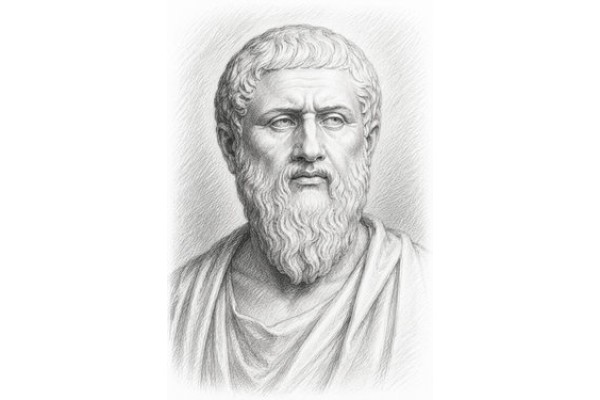
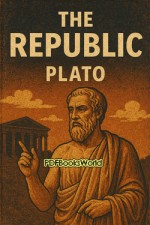
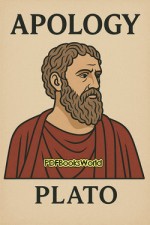
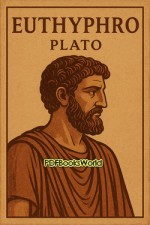
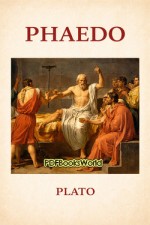
Plato stands among the most influential thinkers in the history of Western civilization. Born in ancient Athens around 428 BCE, he was a philosopher, teacher, and writer whose ideas have shaped philosophy, politics, ethics, education, and science for more than two thousand years. Explore Plato books to discover the author's life, literary career, and access notable works, including The Republic, Apology, Euthyphro, Phaedo , and more.