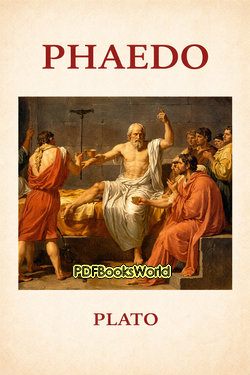
Phaedo
by Plato
Phaedo and Plato’s Timeless Reflections on Death, Wisdom, and the Soul
Among the most influential philosophical works of the ancient world, Phaedo by Plato presents the final conversations of Socrates before his execution in Athens. The dialogue explores profound questions about the soul, immortality, truth, and the meaning of philosophy through one of the most emotionally powerful scenes in classical literature.
Rather than focusing only on death itself, the work examines how wisdom, reason, and philosophical understanding can shape the way human beings face mortality and uncertainty.
The Final Hours of Socrates
The dialogue takes place during the final day of Socrates’ life as he speaks calmly with his students while awaiting execution. Instead of fear or despair, Socrates discusses philosophical ideas concerning the soul and the possibility of life after death.
His composure and dedication to reason became one of the defining images of philosophical courage in Western intellectual history.
Important Philosophical Topics Explored in the Dialogue
- The immortality of the soul
- The relationship between body and mind
- The search for truth through philosophy
- The meaning of death and human mortality
- The pursuit of wisdom and virtue
Philosophy as Preparation for Life and Death
One of the central ideas in Phaedo is the belief that philosophy prepares individuals for death by encouraging detachment from fear, material distraction, and ignorance. Socrates argues that true wisdom involves focusing on the soul and seeking deeper understanding rather than temporary pleasures.
These ideas helped shape later philosophical and spiritual traditions for centuries.
Major Themes Found Throughout the Work
- The relationship between knowledge and the soul
- The importance of reason and self-control
- The search for eternal truth
- The acceptance of mortality with dignity
- The moral purpose of philosophical inquiry
Why Phaedo Still Influences Readers Today
Modern readers continue studying Phaedo because its questions remain deeply human and universal. Concerns about death, consciousness, morality, and the purpose of life continue to shape philosophy, religion, psychology, and personal reflection.
The emotional setting of Socrates calmly discussing philosophy while facing death also gives the dialogue unusual emotional depth and dramatic power.
Readers interested in classical philosophy often explore the philosophical teachings of Socrates to better understand the intellectual traditions connected to Plato’s dialogues.
Plato’s Influence on Western Thought
Plato became one of the most influential philosophers in history through dialogues that explored ethics, politics, metaphysics, education, and human knowledge. His writings preserved the ideas of Socrates while also developing philosophical systems that shaped centuries of intellectual history.
Phaedo remains especially important because of its exploration of the soul and its emotional portrayal of philosophical conviction.
Reasons the Dialogue Continues to Be Studied
- Explores timeless philosophical questions
- Provides insight into Socratic philosophy
- Combines emotional drama with intellectual depth
- Influenced religious and philosophical traditions
- Encourages reflection on mortality and wisdom
The Lasting Legacy of Socratic Philosophy
The image of Socrates questioning assumptions and seeking truth through dialogue became a lasting symbol of intellectual freedom and philosophical inquiry. His willingness to remain committed to his principles even in the face of death continues inspiring readers around the world.
Works like Phaedo preserve not only philosophical arguments but also the human spirit of curiosity and moral courage.
Final Thoughts
Phaedo remains one of the most profound and emotionally moving works in classical philosophy. Through dialogue, reflection, and philosophical reasoning, Plato explored questions about the soul, truth, and mortality that continue to resonate across centuries. Its enduring intellectual and spiritual importance secures its place among the greatest philosophical works ever written.
Similar Genres
About the Author
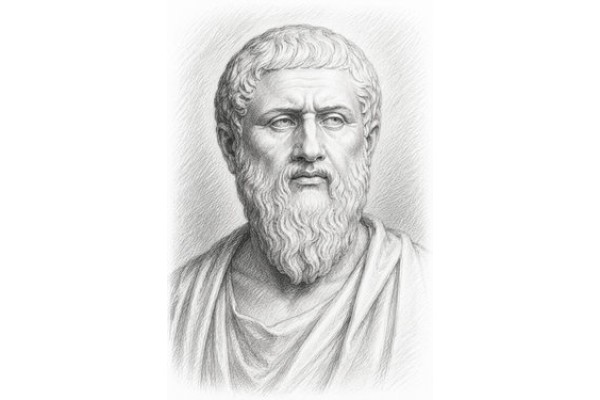
Plato stands among the most influential thinkers in the history of Western civilization. Born in ancient Athens around 428 BCE, he was a philosopher, teacher, and writer whose ideas have shaped philosophy, politics, ethics, education, and science for more than two thousand years. Explore Plato books to discover the author's life, literary career, and access notable works, including The Republic, Apology, Euthyphro, Symposium , and more.