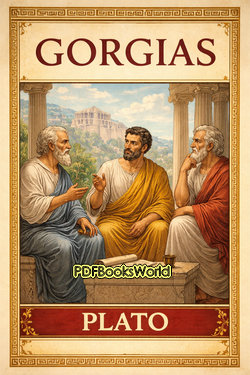
Gorgias
by Plato
Can Persuasion Be More Dangerous Than Power? Plato’s Gorgias Still Sparks Debate
Gorgias by Plato is one of the most influential philosophical works from ancient Greece. Written more than two thousand years ago, the dialogue explores truth, morality, persuasion, and political power through intense conversations between Socrates and several famous thinkers.
Although it was written in the classical world, many of its ideas remain relevant today. Questions about honesty in politics, the influence of public speakers, and the misuse of persuasion continue to shape modern society. Plato’s work encourages readers to think carefully about whether success matters more than justice and truth.
What Is Gorgias About?
The dialogue begins when Socrates meets Gorgias, a respected teacher of rhetoric. Rhetoric was considered the art of persuasive speaking and was highly valued in ancient Athens. Politicians, lawyers, and public leaders often used rhetoric to influence large crowds.
Socrates questions whether persuasion without wisdom or morality can truly benefit society. As the discussions continue, the debates become sharper and more philosophical.
The book explores topics such as:
Persuasion and manipulation, justice and morality, political ambition, self-control, happiness, and the responsibility that comes with power.
Main Characters in Gorgias
- Socrates – The central philosopher who questions accepted beliefs and challenges others to think deeply about truth and morality.
- Gorgias – A famous teacher of rhetoric who believes persuasive speaking is a powerful and valuable skill.
- Polus – A student of Gorgias who strongly admires power and public influence.
- Callicles – One of the most controversial characters in the dialogue. He argues that strong individuals should dominate society and pursue their desires freely.
Major Themes in the Book
- Truth vs Persuasion – Plato examines whether convincing people is more important than telling the truth.
- Power and Justice – The dialogue questions whether political power without morality can ever lead to real happiness.
- Self-Control – Socrates argues that discipline and wisdom are more valuable than unlimited desire.
- The Role of Philosophy – Plato presents philosophy as a search for truth rather than fame or success.
- Ethics in Public Life – The book explores the responsibilities leaders and speakers have toward society.
Why the Dialogue Still Matters Today
Many readers are surprised by how modern Gorgias feels. The discussions about persuasion and influence connect closely with today’s media, advertising, politics, and social networks.
Modern society constantly faces questions about misinformation, emotional manipulation, and the power of public speech. Plato’s dialogue encourages readers to think critically instead of accepting popular opinions without examination.
The book remains important because it encourages:
Critical thinking, ethical leadership, responsible communication, and thoughtful discussion about truth and justice.
Plato’s Writing Style
Unlike modern philosophy books, Gorgias is written as a conversation. Instead of presenting lectures or long explanations, Plato uses debates between characters to explore ideas naturally.
This dialogue style makes the work more engaging and easier to follow. Readers feel as though they are listening to a real discussion rather than studying a formal academic text.
The arguments also become increasingly dramatic, especially during Socrates’ debate with Callicles, which many readers consider one of the strongest sections of the book.
Interesting Facts About Gorgias
The historical Gorgias was a real Greek teacher and public speaker. The dialogue is considered one of Plato’s major ethical works and has influenced political philosophy for centuries. Many ideas discussed in the book continue to appear in modern debates about leadership, communication, and media influence.
Final Thoughts
Gorgias by Plato remains a powerful exploration of truth, persuasion, morality, and political influence. Through intense debates and memorable characters, Plato challenges readers to think carefully about the difference between appearing successful and actually living a just and meaningful life.
For readers interested in philosophy, ethics, politics, or classical literature, Gorgias continues to offer timeless questions that remain deeply relevant in the modern world.
Similar Genres
About the Author
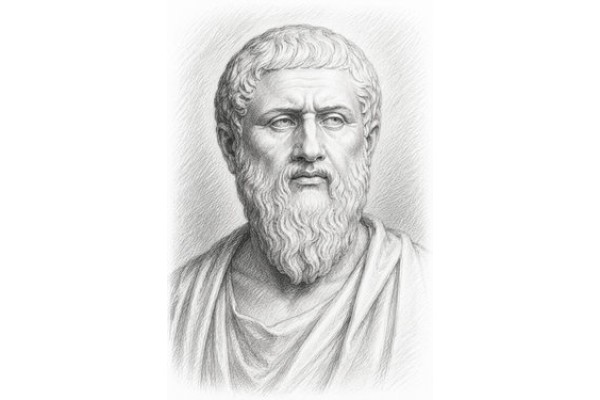
Plato stands among the most influential thinkers in the history of Western civilization. Born in ancient Athens around 428 BCE, he was a philosopher, teacher, and writer whose ideas have shaped philosophy, politics, ethics, education, and science for more than two thousand years. Explore Plato books to discover the author's life, literary career, and access notable works, including The Republic, Apology, Euthyphro, Symposium , and more.