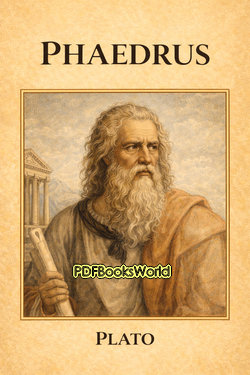
Phaedrus
by Plato
Love, Wisdom, and the Power of Speech in Phaedrus
Phaedrus by Plato is one of the most influential philosophical dialogues of ancient Greece. Through conversations between Socrates and a young man named Phaedrus, the work explores love, beauty, rhetoric, the soul, and the search for truth.
Combining philosophy with poetic imagery and intellectual debate, the dialogue remains an important work in both philosophy and literature.
A Conversation Outside the City
Unlike many of Plato’s dialogues set within Athens, Phaedrus takes place in a peaceful natural setting outside the city walls.
Phaedrus shares a speech about love that inspires a long philosophical discussion with Socrates.
The conversation gradually expands into larger questions involving:
- The nature of love
- The human soul
- Truth and knowledge
- The art of persuasion
The relaxed setting gives the dialogue a reflective and imaginative atmosphere.
Main Characters
- Socrates – The philosopher who questions ideas about love, wisdom, and rhetoric through careful discussion.
- Phaedrus – A thoughtful young man interested in speeches, philosophy, and intellectual debate.
Major Themes in the Dialogue
- Love and Desire
Plato explores both physical attraction and higher spiritual forms of love connected to beauty and truth. - The Nature of the Soul
One famous section compares the soul to a chariot guided by competing forces of reason and desire. - Truth Versus Persuasion
The dialogue questions whether speeches should seek truth or merely persuade audiences. - Wisdom and Self-Knowledge
Socrates emphasizes reflection, reason, and the importance of understanding oneself.
The Famous Chariot Allegory
One of the most memorable parts of Phaedrus is Plato’s allegory of the soul.
The soul is described as a charioteer controlling two horses:
- One representing noble desires and reason
- The other representing uncontrolled passion and impulse
This symbolic image illustrates the inner struggle between rational control and emotional desire.
Plato’s Ideas About Rhetoric
The dialogue also contains important discussions about rhetoric, the art of persuasive speaking.
Plato argues that true rhetoric should not rely on manipulation alone. Instead, speakers should understand truth, human nature, and the minds of their listeners.
This discussion influenced philosophy, communication theory, and political thought for centuries.
Plato’s Philosophical Writing Style
Plato presents philosophical ideas through dialogue rather than formal lectures.
His style in Phaedrus includes:
- Question-and-answer discussion
- Symbolic imagery
- Logical reasoning
- Poetic language
- Philosophical reflection
This combination of storytelling and philosophy gives the work unusual intellectual and literary richness.
Why Phaedrus Still Matters
The dialogue continues to influence philosophy, literature, psychology, and communication studies.
Readers remain interested in its discussions involving:
Love, morality, persuasion, emotional control, truth, beauty, and the relationship between reason and desire.
Many of Plato’s questions remain relevant in modern discussions about ethics, communication, and human behavior.
Who Should Read This Dialogue?
Phaedrus is especially suited for readers interested in:
Philosophy, classical literature, rhetoric, ethics, psychology, ancient Greek thought, and the writings of Plato.
Readers who enjoy reflective and idea-driven works may find the dialogue especially rewarding.
Final Thoughts
Phaedrus by Plato is a timeless exploration of love, wisdom, rhetoric, and the human soul. Through the thoughtful conversations between Socrates and Phaedrus, Plato examines some of humanity’s deepest intellectual and emotional questions.
Combining poetic imagination with philosophical insight, the dialogue continues to inspire readers interested in truth, self-knowledge, and the power of human thought.
Similar Genres
About the Author
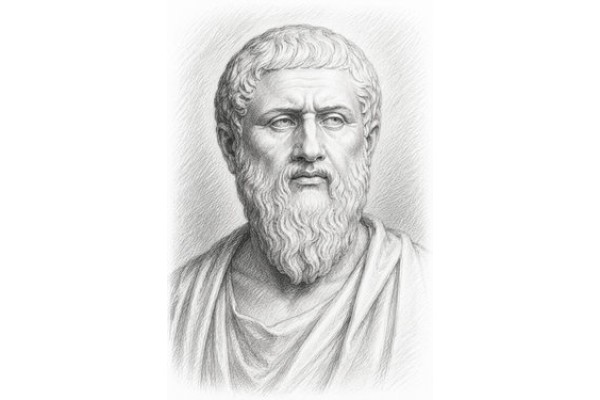
Plato stands among the most influential thinkers in the history of Western civilization. Born in ancient Athens around 428 BCE, he was a philosopher, teacher, and writer whose ideas have shaped philosophy, politics, ethics, education, and science for more than two thousand years. Explore Plato books to discover the author's life, literary career, and access notable works, including The Republic, Apology, Euthyphro, Symposium , and more.