Dialogues Concerning Natural Religion
by David Hume
A Classic Philosophical Debate About God, Faith, and Human Reason
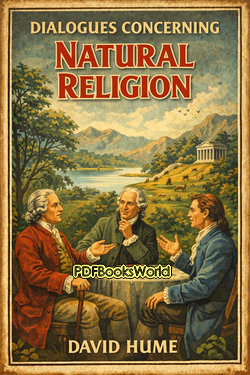
Dialogues Concerning Natural Religion by David Hume is one of the most influential philosophical works ever written about religion, belief, and the limits of human understanding. Structured as a conversation between different thinkers, the book examines arguments about the existence of God, the design of the universe, and whether human reason can truly understand divine nature.
Rather than presenting a single direct argument, Hume uses dialogue and debate to explore multiple perspectives on religion and philosophy. This method allows readers to consider complex questions from different intellectual viewpoints.
A Philosophical Conversation About Religion
The book centers on conversations between several characters who represent different approaches to religion and philosophy. Through their debates, Hume examines questions that had long challenged philosophers and theologians.
The discussions focus especially on the famous “argument from design,” which claims that the complexity and order of the universe suggest the existence of an intelligent creator.
Hume carefully analyzes whether human observation of nature can truly provide reliable knowledge about God or divine purpose.
Main Characters in the Dialogues
- Cleanthes, who supports the argument that nature reveals evidence of intelligent design
- Philo, the skeptical thinker questioning the limits of human reasoning about religion
- Demea, representing a more traditional and mystical approach to faith
The contrasting viewpoints between these characters create the intellectual tension that drives the work.
The Question of Human Knowledge
One of the book’s central concerns is whether human beings possess enough knowledge to make confident claims about divine reality. Hume repeatedly explores the limitations of observation, logic, and human experience.
He asks whether the universe can truly be compared to human-made objects and whether conclusions about a creator can be logically proven through reason alone.
These questions helped shape later philosophical discussions about skepticism, science, and religious belief.
Main Themes Explored in the Work
- The relationship between faith and reason
- The argument from design and natural theology
- The limits of human understanding
- Skepticism, philosophy, and religious belief
These themes continue to influence modern philosophy and debates about religion.
The Writing Style of David Hume
Hume writes in a clear, logical, and highly intelligent style. By using dialogue instead of formal argument alone, he creates a more dynamic and engaging philosophical discussion.
The conversational structure allows complex ideas to unfold gradually while presenting multiple sides of difficult questions. Hume’s careful reasoning and skepticism helped establish him as one of the most important philosophers of the Enlightenment.
Even readers who disagree with his conclusions often admire the fairness and depth of his analysis.
Why Dialogues Concerning Natural Religion Still Matters
Dialogues Concerning Natural Religion remains important because it addresses timeless questions about belief, evidence, and the ability of human reason to understand ultimate reality.
For readers interested in philosophy, theology, skepticism, and intellectual history, David Hume’s work continues to offer one of the most thoughtful and influential examinations of religion and human understanding ever written.
Similar Genres
About the Author
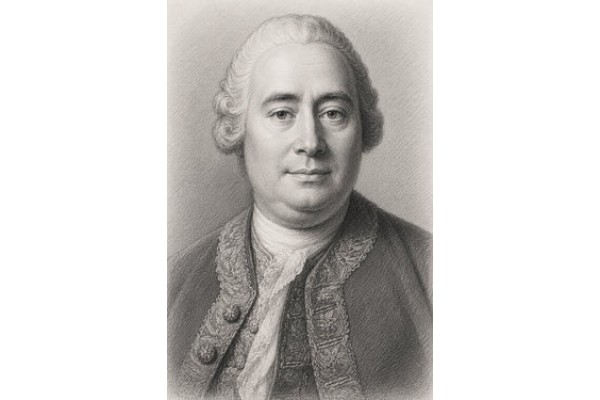
David Hume was one of the most influential philosophers of the Enlightenment, whose writings transformed the study of philosophy, history, economics, and human nature. Born in Edinburgh, Scotland, in 1711, Hume challenged long-held assumptions about knowledge, reason, morality, and religion through careful observation and logical inquiry. Explore David Hume books to discover the author's life, literary career, and access notable works, including A Treatise of Human Nature, An Enquiry Concerning Human Understanding, An Enquiry Concerning the Principles of Morals , and more.