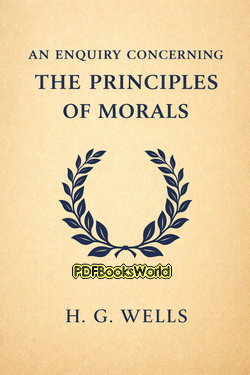
An Enquiry Concerning the Principles of Morals
by David Hume
A Foundational Philosophical Work About Ethics, Virtue, and Human Nature
An Enquiry Concerning the Principles of Morals by David Hume is one of the most influential works in moral philosophy. First published in 1751, the book explores the foundations of ethics and examines how human beings develop ideas about virtue, justice, sympathy, and moral behavior.
Hume argued that morality is closely connected to human feelings, social experience, and emotional response rather than pure abstract reasoning alone. His ideas became highly important in the development of modern ethics and Enlightenment philosophy.
About the Author
David Hume was a Scottish philosopher, historian, and essayist widely regarded as one of the greatest thinkers of the Enlightenment. His writings influenced philosophy, economics, psychology, political theory, and scientific reasoning.
Hume became especially known for his skepticism, empirical approach to knowledge, and careful study of human nature and experience.
Main Themes of the Work
The book examines how moral judgments are formed and why humans admire qualities such as kindness, honesty, justice, and generosity.
Important Themes Discussed
- Virtue and moral character
- Sympathy and human emotion
- Justice and social cooperation
- The relationship between reason and morality
Hume emphasizes that human emotions and social instincts play a central role in ethical decision-making.
Hume’s Theory of Morality
Hume argues that people naturally approve of qualities that are useful or agreeable to individuals and society. Virtues such as kindness and fairness inspire positive feelings because they promote happiness and social harmony.
Rather than viewing morality as based entirely on logic or religious authority, Hume presents ethics as rooted in human experience and emotional understanding.
What Makes the Work Unique
- Emphasis on emotion and sympathy in ethics
- Clear and accessible philosophical reasoning
- Major influence on modern moral philosophy
Writing Style
Hume’s writing style is elegant, logical, and conversational. He explains complex philosophical ideas with clarity and careful reasoning while avoiding unnecessary technical language.
The thoughtful structure and practical examples make the work approachable for readers interested in ethics and human behavior.
Historical Importance
An Enquiry Concerning the Principles of Morals became one of the defining works in the history of moral philosophy and Enlightenment thought. Hume’s ideas strongly influenced later philosophers including Adam Smith, Immanuel Kant, and modern ethical theorists.
Historical Features
- Major contribution to ethical philosophy
- Development of sentimentalist moral theory
- Influence on psychology and social philosophy
The work also helped shift philosophical discussions toward observation of human behavior and practical moral experience.
Lessons for Modern Readers
Modern readers continue to study Hume because his discussions about empathy, justice, and human emotion remain highly relevant today.
The book encourages reflection on how compassion, cooperation, and social understanding shape ethical life and human relationships.
Conclusion
An Enquiry Concerning the Principles of Morals by David Hume remains a timeless masterpiece of ethical philosophy. Through clear reasoning and deep insight into human nature, Hume created a lasting exploration of morality, virtue, and the emotional foundations of ethical behavior.
Similar Genres
About the Author
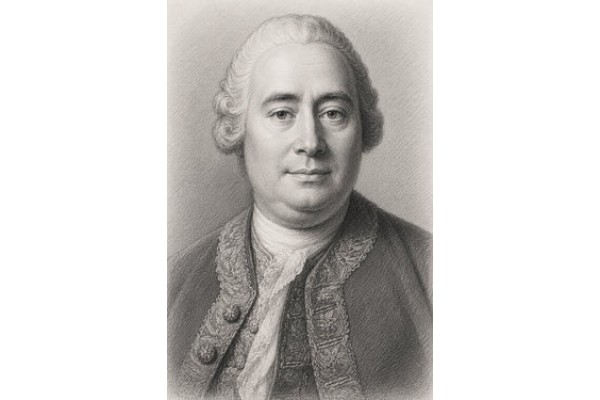
David Hume was one of the most influential philosophers of the Enlightenment, whose writings transformed the study of philosophy, history, economics, and human nature. Born in Edinburgh, Scotland, in 1711, Hume challenged long-held assumptions about knowledge, reason, morality, and religion through careful observation and logical inquiry. Explore David Hume books to discover the author's life, literary career, and access notable works, including A Treatise of Human Nature, An Enquiry Concerning Human Understanding, Dialogues Concerning Natural Religion , and more.