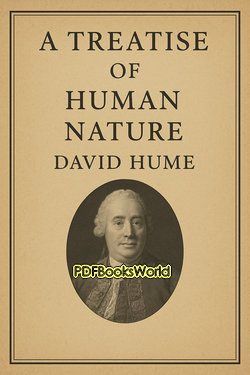
A Treatise of Human Nature
by David Hume
The Lasting Influence of A Treatise of Human Nature
A Treatise of Human Nature by David Hume is one of the most important works in modern philosophy. First published during the eighteenth century, the book explores human thought, emotions, morality, and knowledge through careful observation and reasoning. Hume attempted to study human nature scientifically, making the work revolutionary for its time.
Although difficult for some readers because of its philosophical depth, the book became enormously influential in psychology, ethics, political theory, and modern philosophy. Many later thinkers considered Hume one of the greatest philosophers of the Enlightenment period.
David Hume and the Enlightenment Era
David Hume was a Scottish philosopher, historian, and essayist known for his skeptical and analytical approach to philosophy. His ideas challenged traditional beliefs about religion, reason, and human understanding.
Hume believed that knowledge should come from experience and observation rather than pure abstract reasoning. His work helped shape modern empiricism and influenced philosophers including Immanuel Kant and later scientific thinkers.
Readers interested in Hume’s philosophical background can explore more through Stanford Encyclopedia of Philosophy.
The Main Purpose of the Book
In A Treatise of Human Nature, Hume attempts to explain how the human mind works. He examines how people form ideas, develop beliefs, experience emotions, and make moral judgments.
- Human understanding and perception
- The relationship between reason and emotion
- The origin of moral beliefs
- Personal identity and consciousness
- Cause, effect, and human habits
The book became famous for arguing that emotions often influence human behavior more strongly than logical reasoning.
Important Philosophical Ideas
The Problem of Cause and Effect
Hume questioned how humans understand causation. He argued that people assume events are connected because they repeatedly observe patterns, not because they can directly prove absolute cause and effect.
Reason and Emotion
One of Hume’s most famous arguments is that human emotions strongly guide decision-making. According to Hume, reason alone rarely controls human behavior.
The Nature of the Self
Hume challenged traditional ideas about personal identity. He suggested that the self is not a single permanent entity but rather a constantly changing collection of experiences and perceptions.
Morality and Human Nature
The book argues that morality grows from human feelings and social experience rather than purely logical systems or religious rules.
Why the Work Still Matters Today
Modern scholars continue to study A Treatise of Human Nature because many of Hume’s ideas remain connected to psychology, neuroscience, ethics, and political theory. His questions about knowledge, emotion, and belief still influence academic debates today.
- Foundation of modern empiricism
- Influenced psychology and philosophy
- Important in ethics and political thought
- Still discussed in universities worldwide
- Challenges assumptions about human reasoning
Students and philosophy enthusiasts can also explore additional discussions through Internet Encyclopedia of Philosophy.
The Lasting Legacy of David Hume
The influence of David Hume extends far beyond philosophy classrooms. His ideas shaped economics, political science, psychology, and scientific reasoning. Even centuries later, philosophers continue debating and expanding upon his theories about knowledge and human understanding.
Hume’s skeptical approach encouraged later thinkers to question assumptions and examine evidence more carefully, helping shape modern intellectual thought.
A Landmark Work in Modern Philosophy
A Treatise of Human Nature remains one of the defining philosophical works of the Enlightenment era. David Hume’s examination of human thought, emotion, and morality continues to challenge readers and inspire discussion across many academic fields.
Similar Genres
About the Author
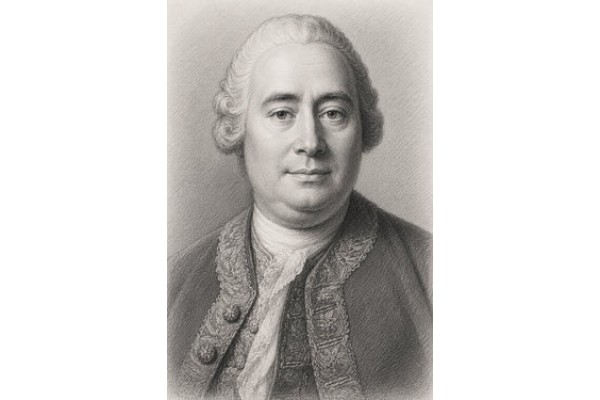
David Hume was one of the most influential philosophers of the Enlightenment, whose writings transformed the study of philosophy, history, economics, and human nature. Born in Edinburgh, Scotland, in 1711, Hume challenged long-held assumptions about knowledge, reason, morality, and religion through careful observation and logical inquiry. Explore David Hume books to discover the author's life, literary career, and access notable works, including An Enquiry Concerning Human Understanding, An Enquiry Concerning the Principles of Morals, Dialogues Concerning Natural Religion , and more.