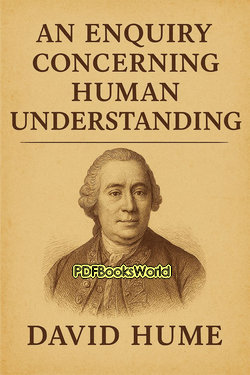
An Enquiry Concerning Human Understanding
by David Hume
Reason, Knowledge, and Skepticism in An Enquiry Concerning Human Understanding
An Enquiry Concerning Human Understanding by David Hume is one of the most influential works in the history of philosophy. First published in 1748, the book explores how human beings acquire knowledge, understand cause and effect, and form beliefs about the world around them.
Hume challenges many traditional assumptions about certainty and rational thought. Through careful argument and observation, he examines the limits of human understanding and questions whether people can ever possess absolute knowledge about reality.
Why the Book Remains Important
David Hume helped shape modern philosophy through his emphasis on experience, observation, and skepticism. His ideas strongly influenced later discussions about science, religion, psychology, and human reasoning.
Reasons Philosophers Continue to Study the Work
- Groundbreaking analysis of human knowledge
- Influential theory of cause and effect
- Powerful arguments about skepticism
- Major contribution to empiricist philosophy
- Lasting influence on modern intellectual thought
The book remains one of the foundational texts of Enlightenment philosophy.
Experience and Human Knowledge
Hume argues that knowledge begins with sensory experience rather than purely abstract reasoning. According to his philosophy, people learn about the world through observation, habit, and repeated experience.
He questions whether humans can logically prove that the future will always resemble the past, introducing one of the most famous problems in philosophy: the problem of induction.
Readers interested in Enlightenment thought can explore Britannica’s article on the Enlightenment.
Skepticism and Cause and Effect
One of Hume’s most influential arguments concerns causation. He suggests that people never directly observe cause and effect itself but instead become accustomed to seeing events occur together repeatedly.
This skeptical approach challenged traditional philosophical ideas about certainty and forced later thinkers to reconsider the foundations of knowledge and science.
Major Themes in the Book
- Human knowledge and perception
- Skepticism and uncertainty
- Experience and observation
- Cause and effect
- The limits of reason
Hume’s Philosophical Style
David Hume writes in a clear and logical style that aims to make philosophical discussion accessible to educated readers. Compared with many earlier philosophical works, his arguments are direct, organized, and grounded in everyday experience.
His combination of skepticism and practical reasoning made him one of the most influential thinkers of the Scottish Enlightenment.
More about David Hume’s life and intellectual influence can be found through Encyclopaedia Britannica’s biography of David Hume.
The Book’s Influence on Modern Philosophy
An Enquiry Concerning Human Understanding strongly influenced later philosophers including Immanuel Kant, who credited Hume with awakening him from “dogmatic slumber.” Hume’s ideas also shaped modern scientific reasoning, psychology, and theories of human behavior.
The work continues to be studied because its questions about certainty, evidence, and belief remain central to philosophy and science.
Readers interested in empiricism and theories of knowledge can also visit Stanford Encyclopedia of Philosophy’s article on empiricism.
Final Thoughts
An Enquiry Concerning Human Understanding remains a landmark exploration of knowledge, skepticism, and human reasoning. David Hume transformed philosophy by challenging assumptions about certainty and encouraging a deeper examination of how people understand the world.
Similar Genres
About the Author
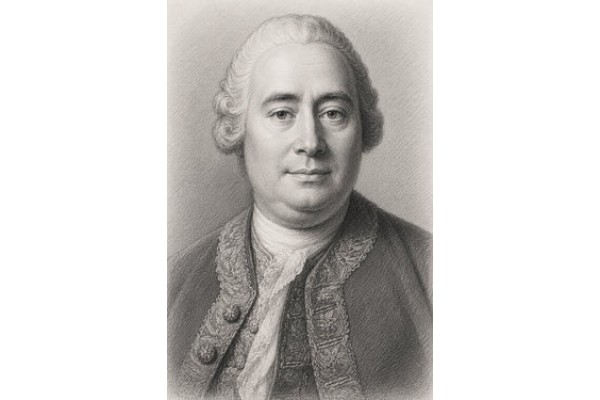
David Hume was one of the most influential philosophers of the Enlightenment, whose writings transformed the study of philosophy, history, economics, and human nature. Born in Edinburgh, Scotland, in 1711, Hume challenged long-held assumptions about knowledge, reason, morality, and religion through careful observation and logical inquiry. Explore David Hume books to discover the author's life, literary career, and access notable works, including A Treatise of Human Nature, An Enquiry Concerning the Principles of Morals, Dialogues Concerning Natural Religion , and more.