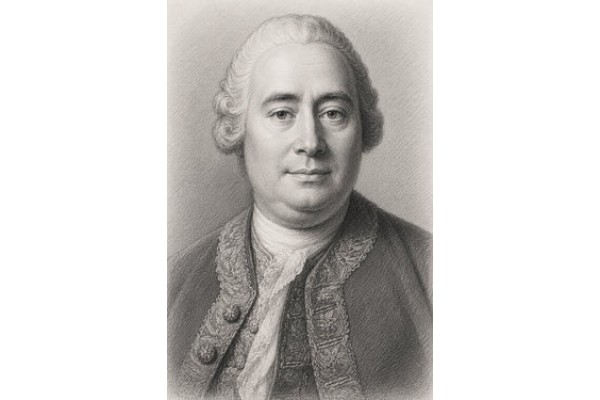
David Hume
David Hume was one of the most influential philosophers of the Enlightenment, whose writings transformed the study of philosophy, history, economics, and human nature. Born in Edinburgh, Scotland, in 1711, Hume challenged long-held assumptions about knowledge, reason, morality, and religion through careful observation and logical inquiry. His clear, engaging prose and commitment to empirical thinking made complex philosophical ideas accessible to a wide audience. Today, Hume is regarded as one of the greatest thinkers in Western intellectual history, with his ideas continuing to shape modern philosophy, psychology, political theory, and the social sciences.
Champion of Reason and Experience
David Hume believed that human understanding is grounded in experience rather than abstract speculation. His philosophical works explored how people acquire knowledge, form beliefs, make moral judgments, and understand cause and effect, encouraging readers to question assumptions and think critically about the world around them. Hume's skepticism was not intended to reject knowledge but to establish a more careful and rational approach to understanding reality. His writings also examined politics, economics, religion, and history, reflecting a lifelong commitment to intellectual inquiry and open-minded discussion.
Beyond philosophy, Hume was an accomplished historian whose engaging narratives helped make history accessible to general readers. His balanced style, clarity of thought, and willingness to challenge conventional ideas earned him admiration across Europe and influenced later thinkers, including Immanuel Kant, Adam Smith, Charles Darwin, and Bertrand Russell.
Essential Works
- A Treatise of Human Nature presents Hume's groundbreaking exploration of human understanding, emotion, and morality.
- An Enquiry Concerning Human Understanding offers a clear and influential discussion of knowledge, reason, and the limits of human certainty.
- An Enquiry Concerning the Principles of Morals examines the foundations of ethics and the role of sympathy in moral judgment.
- Dialogues Concerning Natural Religion explores philosophical arguments about religion through thoughtful and engaging conversations.
- The Natural History of Religion investigates the historical development of religious beliefs and practices.
- The History of England became one of the eighteenth century's most widely read historical works, offering a comprehensive account of England's political and cultural development.
An Enduring Legacy of Enlightenment Thought
David Hume's writings continue to inspire readers through their clarity, intellectual rigor, and commitment to rational inquiry. His ideas reshaped the study of philosophy while influencing fields as diverse as economics, psychology, political science, and history. More than three centuries after his birth, Hume remains a central figure in discussions about knowledge, ethics, and the nature of human understanding.
If you're interested in philosophy, history, and the ideas that shaped the modern world, the works of David Hume offer an outstanding place to begin. At PDFBooksWorld, you can explore a carefully selected collection of his influential writings and discover the enduring insights of one of the Enlightenment's greatest thinkers.
A Treatise of Human Nature
David Hume
An Enquiry Concerning Human Understanding
David Hume