The Wheels of Chance - A Bicycling Idyll
by H. G. Wells
A Humorous Cycling Adventure Filled With Freedom and Self-Discovery
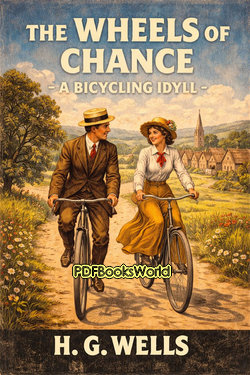
The Wheels of Chance - A Bicycling Idyll by H. G. Wells is a lighthearted and entertaining novel that captures the excitement of travel, personal freedom, and unexpected adventure during the bicycle craze of the late nineteenth century. Unlike Wells’s famous science fiction works, this novel focuses on ordinary life, social conventions, and the emotional growth of everyday people.
The story follows Mr. Hoopdriver, a modest draper’s assistant who escapes his routine existence by taking a cycling holiday through the English countryside. What begins as a simple vacation soon becomes a journey of confidence, romance, and personal transformation.
The Bicycle as a Symbol of Freedom
At the time the novel was written, bicycles represented independence and social change. For many people, cycling offered the chance to travel freely and escape rigid routines and class expectations.
For Hoopdriver, the bicycle becomes more than transportation. It represents adventure, possibility, and a temporary release from the limitations of his ordinary working life.
An Ordinary Man Seeking Excitement
Hoopdriver is not a heroic or wealthy character. He is awkward, imaginative, and often unsure of himself, which makes his experiences both humorous and relatable.
As he travels through the countryside, he begins imagining himself as a more confident and adventurous person. His journey becomes both physical and emotional as he slowly gains self-belief.
Characters
- Mr. Hoopdriver – A humble draper’s assistant searching for freedom and confidence
- Jessie Milton – A young woman whose presence changes Hoopdriver’s journey
- Social figures representing Victorian expectations and class divisions
- Travelers and cyclists encountered along the road
- Characters whose interactions create humor, romance, and misunderstanding
The characters help create a warm and often comic portrait of ordinary English life.
Themes
- The desire for personal freedom and escape
- Self-confidence and emotional growth
- The influence of travel and adventure on identity
- Social class and everyday Victorian life
- The balance between fantasy and reality
These themes give the novel charm and emotional sincerity beneath its humor.
H. G. Wells’s Blend of Comedy and Social Observation
Wells writes with warmth, humor, and keen observation throughout the novel. Many scenes are amusing because of Hoopdriver’s exaggerated imagination and awkward attempts to appear sophisticated or heroic.
At the same time, Wells quietly comments on class divisions, social expectations, and the limited opportunities available to ordinary working people.
A Snapshot of the Cycling Craze
The novel also serves as a fascinating historical portrait of the bicycle craze that swept through society during the late nineteenth century. Cycling represented modernity, movement, and personal independence for many people.
Wells captures the excitement surrounding this new form of travel and the sense of possibility it created for ordinary individuals.
Why the Novel Continues to Charm Readers
The Wheels of Chance remains enjoyable because of its humor, humanity, and optimistic spirit. Hoopdriver’s journey reflects universal feelings of insecurity, hope, and the desire to experience something larger than ordinary daily routine.
For readers interested in classic English fiction, travel adventures, and character-driven storytelling, the novel offers a delightful and uplifting exploration of freedom, imagination, and personal growth.
Similar Genres
About the Author
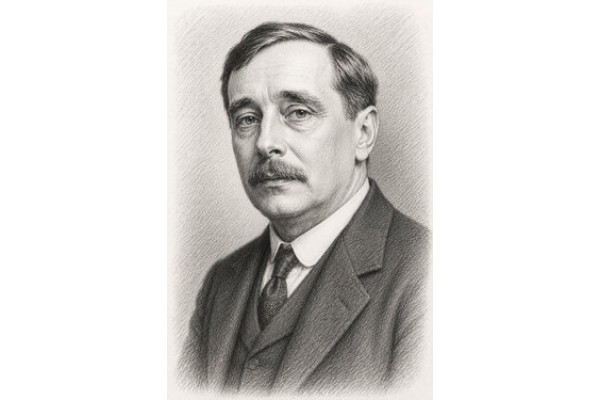
H. G. Wells helped redefine the boundaries of imagination by transforming science fiction into a powerful form of literary storytelling. Born in England in 1866, he combined a keen interest in science with an extraordinary gift for narrative, producing novels that entertained readers while encouraging them to think about the future of humanity. Explore H. G. Wells books to discover the author's life, literary career, and access notable works, including The War of the Worlds, The Time Machine, Tales of Space and Time, The Invisible Man , and more.