The War of the Worlds: The Science Fiction Classic That Redefined Alien Invasions
The War of the Worlds is one of the most influential science fiction novels ever written. Created by H. G. Wells and first published in 1898, the novel presents a terrifying vision of Earth under attack by technologically superior Martians. Combining suspense, social commentary, and imaginative storytelling, the book helped shape modern science fiction and introduced themes that continue to influence alien invasion stories today.
When Earth Faces The Unknown
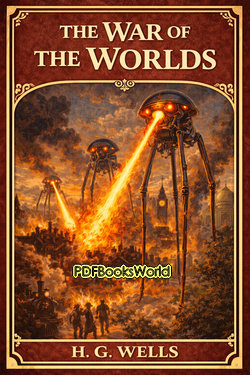
The story begins in England when strange cylinders from Mars crash onto the countryside near London. At first, curiosity spreads among local residents and scientists, but fear quickly replaces fascination when the Martians emerge with advanced machines and devastating weapons capable of destroying entire communities.
As civilization collapses under the invasion, the unnamed narrator struggles to survive while witnessing panic, destruction, and the breakdown of social order. The novel follows his desperate attempts to escape the advancing Martian forces and understand the scale of the catastrophe.
Fear, Survival, and Human Vulnerability
One reason The War of the Worlds remains so powerful is its portrayal of human vulnerability. H. G. Wells reverses the idea of European imperial power by placing humanity in the position usually occupied by colonized populations facing a technologically superior enemy.
The novel explores themes including survival, fear of the unknown, scientific progress, evolution, and the fragility of civilization. Wells also questions human arrogance by showing how quickly society can collapse when confronted by forces beyond its control.
The Martians and Their Terrifying Technology
The Martians became some of the most memorable extraterrestrial beings in literary history because of their advanced intelligence and destructive technology. Their towering fighting machines, heat-rays, and poisonous black smoke create an atmosphere of constant dread throughout the story.
Unlike traditional monsters from Gothic fiction, the Martians represent a cold and scientific form of danger. Their invasion feels terrifying because it appears logical, efficient, and unstoppable for much of the novel.
Science Fiction With Social Commentary
Although the novel is famous for its alien invasion storyline, it also reflects social and political anxieties of the late nineteenth century. Wells uses the invasion to examine imperialism, technological warfare, and the belief that humanity holds permanent control over the natural world.
The story also reflects growing public fascination with astronomy, scientific discovery, and the possibility of life beyond Earth, topics that were becoming increasingly important during Wells’s lifetime.
Why Readers Still Find The Novel Fascinating
Modern readers continue to admire The War of the Worlds because its themes remain surprisingly relevant. Fear of invasion, uncertainty about technology, and questions about humanity’s future continue to resonate in contemporary society.
The novel’s fast pacing, vivid descriptions, and realistic narrative style also help maintain suspense even for readers already familiar with the story’s famous premise.
The Lasting Legacy of H. G. Wells’s Novel
The influence of The War of the Worlds extends far beyond literature. The novel inspired countless films, radio dramas, television adaptations, comics, and modern science fiction stories involving extraterrestrial invasions.
Its impact on popular culture became especially famous after Orson Welles’s 1938 radio adaptation, which created widespread public panic among listeners who believed the fictional invasion was real.
Final Thoughts
The War of the Worlds remains one of the defining masterpieces of science fiction literature. Through suspenseful storytelling, imaginative ideas, and powerful social commentary, H. G. Wells created a novel that continues to influence science fiction and popular culture more than a century after its publication.
For readers interested in classic science fiction, alien invasion stories, and thought-provoking speculative fiction, this novel remains an essential and unforgettable reading experience.