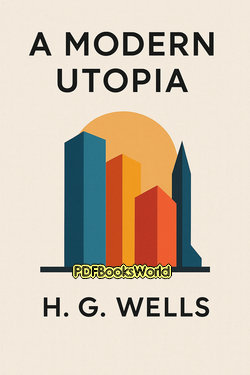
A Modern Utopia
by H. G. Wells
A Modern Utopia by H. G. Wells: A Visionary Classic
A Modern Utopia by H. G. Wells is one of the most thought-provoking works of early science fiction. Published in 1905, the novel presents a fascinating vision of a future society built on peace, education, science, and global unity. Unlike many modern science fiction stories filled with action and technology, this book focuses more on ideas, philosophy, and social progress.
Even after more than a century, the themes explored in the novel still feel relevant in today’s world.
A Journey to an Ideal World
The story follows two travelers who suddenly find themselves on a parallel version of Earth. Although the planet looks similar to the real world, its society operates in a very different way. The world is governed by a single global system designed to reduce conflict, improve equality, and create stability for everyone.
As the travelers explore this unusual society, Wells introduces readers to his vision of a better civilization. The novel examines how people live, work, and cooperate in a world that values education, discipline, and social responsibility.
The Concept of a World State
One of the most important ideas in the book is the “World State.” Wells imagined a future where nations no longer fight wars because the planet is united under one government. He believed that science, planning, and international cooperation could help humanity overcome poverty and violence.
This idea was highly imaginative for its time and later influenced many writers and thinkers interested in politics, social reform, and futuristic societies.
The Samurai and Social Discipline
A unique part of the novel is the introduction of the Samurai, a group of highly disciplined citizens who help guide society. These individuals are not soldiers in the traditional sense. Instead, they follow strict moral principles and dedicate themselves to public service and leadership.
Through the Samurai, Wells explores the idea that a successful society may require responsibility, education, and ethical behavior from its leaders.
Themes That Still Matter Today
One reason A Modern Utopia remains important is because many of its themes continue to connect with modern society. The novel discusses topics such as global cooperation, economic fairness, scientific advancement, and the balance between freedom and responsibility.
Wells also avoids presenting his utopia as completely perfect. He acknowledges human weakness and social problems, which makes the story feel more realistic and intellectually engaging.
Writing Style and Reading Experience
The novel combines fiction with philosophical discussion, making it different from fast-paced modern science fiction books. Some readers may find the detailed social and political ideas slower than contemporary novels, but others appreciate the depth and imagination that Wells brings to the story.
His writing encourages readers to think critically about how societies function and whether a truly ideal world is possible.
Why Readers Still Enjoy the Book
Readers who enjoy classic literature and thoughtful science fiction often find this novel fascinating because it explores ideas that remain important even today. The book is not simply about an imaginary future. It is also a reflection on humanity, government, ethics, and civilization itself.
Final Thoughts
A Modern Utopia continues to stand as one of the most influential utopian novels ever written. Through imagination and philosophical insight, H. G. Wells created a story that challenges readers to think about the future of society and the possibilities of human progress.
For anyone interested in classic science fiction or visionary ideas about the future, this novel remains a rewarding and memorable read.
Similar Genres
About the Author
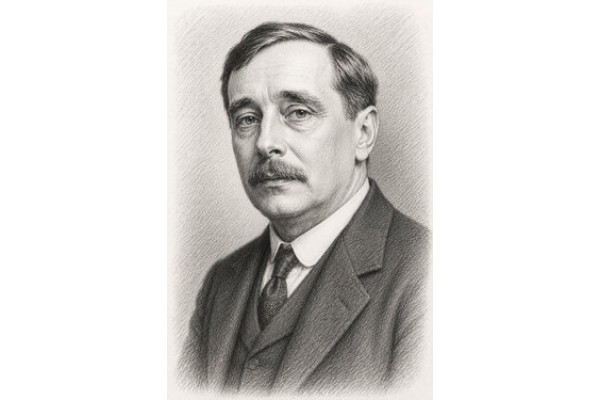
H. G. Wells helped redefine the boundaries of imagination by transforming science fiction into a powerful form of literary storytelling. Born in England in 1866, he combined a keen interest in science with an extraordinary gift for narrative, producing novels that entertained readers while encouraging them to think about the future of humanity. Explore H. G. Wells books to discover the author's life, literary career, and access notable works, including The War of the Worlds, The Time Machine, Tales of Space and Time, The Invisible Man , and more.