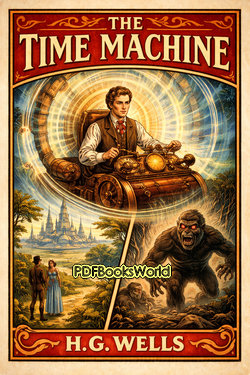
H. G. Wells’s Visionary Journey Into Humanity’s Future
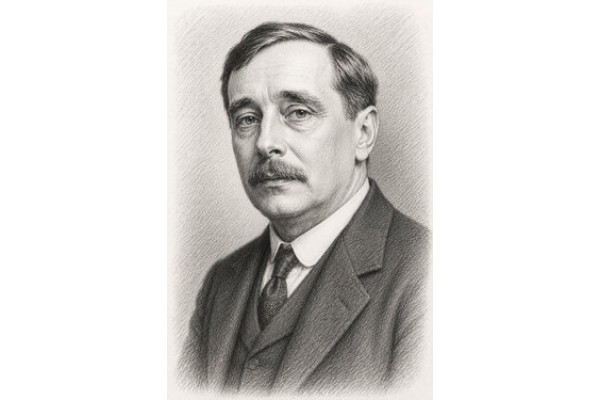
The Time Machine is one of the most influential science fiction novels ever written. Created by H. G. Wells and first published in 1895, the novel introduced the modern concept of time travel through a scientific machine capable of moving through different eras. Combining adventure, social criticism, imagination, and philosophical reflection, the story became a landmark work that helped shape the future of science fiction literature.
A Journey Beyond The Limits of Time
The story follows an unnamed inventor known simply as the Time Traveller, who develops a machine capable of transporting him through time. After explaining his theories to a group of skeptical dinner guests, he travels far into the future and arrives in the year 802,701.
There he discovers that humanity has evolved into two very different species. The gentle and childlike Eloi live above ground in apparent comfort and peace, while the mysterious Morlocks dwell underground in darkness and operate the machinery that supports the future world.
The Strange World of The Eloi and Morlocks
One reason The Time Machine remains so fascinating is its imaginative portrayal of the distant future. H. G. Wells uses the Eloi and Morlocks not simply as fictional creatures, but as symbols reflecting social division and class inequality during the industrial age.
The Eloi represent a weakened upper class that has lost ambition and intelligence through generations of comfort, while the Morlocks reflect a laboring class forced underground by harsh working conditions and exploitation.
Science Fiction With Social Commentary
Although the novel is remembered for popularizing time travel, Wells also uses the story to examine deeper social and philosophical concerns. Themes including evolution, class conflict, technological dependence, survival, and the future of civilization appear throughout the narrative.
The novel questions whether scientific progress alone truly guarantees human advancement. Instead of finding a perfect future society, the Time Traveller encounters a world shaped by decline, fear, and division.
Adventure, Mystery, and Survival
As the story unfolds, the Time Traveller faces growing danger after his machine disappears shortly after his arrival in the future. His attempts to recover it lead him into frightening encounters with the Morlocks and deeper discoveries about the true relationship between the two future species.
The suspenseful atmosphere, strange landscapes, underground tunnels, and mysterious ruins help create a sense of adventure and uncertainty that continues to engage readers today.
The Novel’s Influence on Science Fiction
The influence of The Time Machine on literature and popular culture has been enormous. The novel helped establish time travel as one of science fiction’s most enduring ideas and inspired countless books, films, television series, comics, and scientific discussions about time and the future.
The phrase “time machine” itself became widely recognized because of H. G. Wells’s novel, and many later stories involving time travel continue to draw inspiration from his ideas and storytelling techniques.
Why Readers Still Find The Novel Relevant
Modern readers continue to admire The Time Machine because its themes remain remarkably relevant. Concerns about social inequality, technological dependence, environmental decline, and humanity’s future continue to shape discussions in the modern world.
The novel’s combination of scientific imagination and social criticism allows it to feel both entertaining and thought-provoking more than a century after its publication.
Final Thoughts
The Time Machine remains one of the defining classics of science fiction literature. Through imaginative storytelling, suspenseful adventure, and powerful reflections on society and human evolution, H. G. Wells created a novel that continues to influence readers and writers across generations.
For readers interested in classic science fiction, speculative fiction, and imaginative explorations of humanity’s future, this novel remains an essential and unforgettable reading experience.