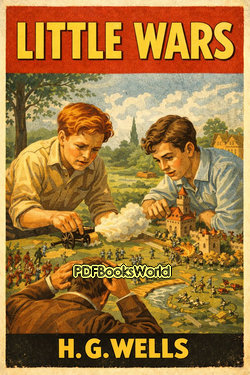
Little Wars
by H. G. Wells
A Playful and Imaginative Introduction to Toy Soldier Battles
Little Wars by H. G. Wells is a unique and entertaining book that combines strategy, imagination, and playful competition through miniature battlefield games. Often described as one of the earliest modern tabletop war games, the book transforms toy soldiers and simple household spaces into detailed military adventures filled with tactics, planning, and creativity.
Unlike Wells’s serious science fiction novels, this work embraces humor and playful imagination while still showing his fascination with organization, conflict, and human behavior. The book demonstrates how games can become both intellectually engaging and highly entertaining.
The Birth of Modern Tabletop War Gaming
In Little Wars, Wells introduces rules for conducting mock battles using toy soldiers, miniature cannons, and carefully designed landscapes. Players move units across floors or tables while attempting to outmaneuver opponents through strategy and positioning.
The game relies not only on luck but also on planning and tactical thinking. Wells presents the rules in an accessible and humorous way, encouraging readers to experiment and create their own imaginative battle scenarios.
Turning Everyday Spaces Into Battlefields
One of the book’s greatest charms is the way ordinary household objects become part of large fictional wars. Books can become hills, furniture can serve as fortresses, and carpets transform into fields of combat.
This playful creativity reflects Wells’s belief that imagination can transform simple surroundings into exciting worlds filled with adventure and storytelling.
Major Ideas Explored in the Book
- The enjoyment of imaginative and strategic play
- The use of miniature armies and battlefield tactics
- The connection between games and creativity
- Friendly competition and shared entertainment
- The transformation of ordinary spaces through imagination
These ideas make the book more than a simple game manual. It becomes a celebration of creative thinking and playful invention.
Humor and Lighthearted Competition
Wells writes with enthusiasm and humor throughout the book. He treats the mock battles seriously enough to make them exciting while also recognizing the playful absurdity of adults conducting dramatic wars with toy soldiers.
The balance between strategy and comedy gives the work a warm and energetic tone that remains appealing even today.
A Different Side of H. G. Wells
Readers familiar with Wells’s darker speculative fiction may be surprised by the playful spirit of Little Wars. The book reveals his love for games, imagination, and social interaction.
At the same time, Wells’s interest in military organization and social systems can still be seen beneath the lighthearted surface of the game.
The Influence of the Book on Gaming Culture
Little Wars became historically important because it helped inspire later tabletop strategy games and miniature war gaming traditions. Many modern strategy games trace their origins back to ideas presented in Wells’s playful experiments.
The book demonstrated that games could combine storytelling, tactical thinking, and creative world-building in engaging ways.
Why Little Wars Still Feels Enjoyable Today
Modern readers continue to appreciate the book for its originality, humor, and imaginative spirit. Even readers unfamiliar with tabletop gaming can enjoy Wells’s energetic descriptions and playful enthusiasm.
For readers interested in gaming history, creativity, and the lighter side of H. G. Wells’s writing, Little Wars offers a fascinating and entertaining glimpse into the origins of strategic miniature gaming.
Similar Genres
About the Author
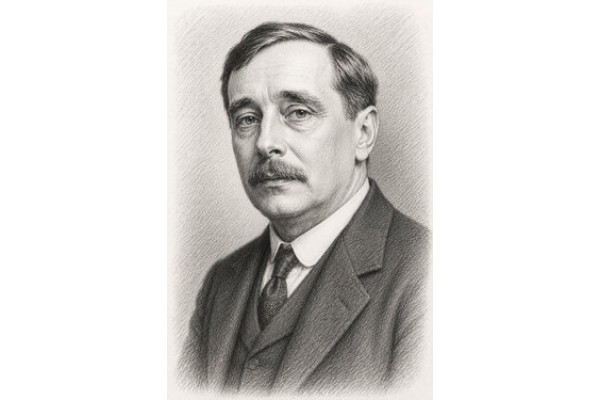
H. G. Wells helped redefine the boundaries of imagination by transforming science fiction into a powerful form of literary storytelling. Born in England in 1866, he combined a keen interest in science with an extraordinary gift for narrative, producing novels that entertained readers while encouraging them to think about the future of humanity. Explore H. G. Wells books to discover the author's life, literary career, and access notable works, including The War of the Worlds, The Time Machine, Tales of Space and Time, The Invisible Man , and more.