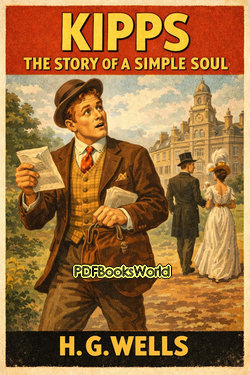
Kipps - The Story of a Simple Soul
by H. G. Wells
A Humble Young Man Caught Between Wealth and Ordinary Life
Kipps - The Story of a Simple Soul by H. G. Wells is a humorous yet deeply thoughtful novel about class, identity, and personal happiness. Unlike Wells’s famous science fiction adventures, this story focuses on the everyday struggles of an ordinary young man suddenly pushed into a world of money, education, and social expectations he barely understands.
The novel follows Arthur Kipps, a kind-hearted but inexperienced draper’s assistant whose life changes dramatically after he unexpectedly inherits a fortune. Through Kipps’s experiences, Wells explores the awkward relationship between social class and personal identity in early twentieth century England.
A Sudden Change in Fortune
At the beginning of the story, Kipps lives a simple and predictable life working in a draper’s shop. He lacks confidence, education, and social status, but he remains honest and emotionally sincere.
Everything changes when he unexpectedly receives a large inheritance. The sudden wealth opens new opportunities but also creates confusion, pressure, and emotional uncertainty.
The Struggle to Fit Into High Society
As Kipps enters a wealthier social world, he quickly discovers that money alone does not guarantee acceptance or confidence. He struggles with formal behavior, education, and social expectations that feel unnatural to him.
Wells uses these situations to create both humor and social criticism. The novel questions whether social class truly reflects intelligence, morality, or personal worth.
Characters
- Arthur Kipps – A simple and good-natured young man overwhelmed by sudden wealth
- Ann Pornick – Kipps’s sincere and loyal childhood companion
- Helen Walshingham – An educated woman representing social ambition and refinement
- Middle-class social figures concerned with status and appearance
- Characters reflecting the rigid class divisions of English society
The characters highlight the emotional and social tension between authenticity and social expectation.
Themes
- The influence of class and wealth on personal identity
- The difference between social status and genuine happiness
- Personal simplicity versus social ambition
- Love, loyalty, and emotional honesty
- The awkwardness of social mobility and self-discovery
These themes give the novel both emotional warmth and strong social relevance.
H. G. Wells’s Blend of Comedy and Social Criticism
Wells combines humor with sharp observations about English society. Many scenes are amusing because Kipps feels uncomfortable and unprepared within formal social environments.
At the same time, the novel quietly criticizes rigid class systems that judge people based on education, manners, and financial background rather than character.
A Realistic Portrait of Ordinary Life
One of the novel’s strengths is its realistic focus on everyday people instead of heroic or extraordinary figures. Kipps is not portrayed as a genius or ambitious reformer. His emotional confusion and personal limitations make him relatable and human.
This realism gives the story emotional sincerity and lasting appeal.
Why the Novel Continues to Connect With Readers
Kipps - The Story of a Simple Soul remains popular because of its humor, warmth, and thoughtful exploration of identity and social pressure. Wells presents a sympathetic portrait of a man trying to remain true to himself while navigating a world obsessed with status and appearance.
For readers interested in social realism, character-driven fiction, and classic English literature, the novel offers an engaging and emotionally rewarding reading experience.
Similar Genres
About the Author
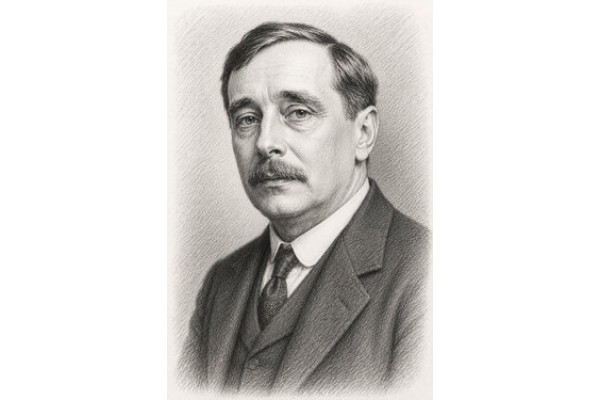
H. G. Wells helped redefine the boundaries of imagination by transforming science fiction into a powerful form of literary storytelling. Born in England in 1866, he combined a keen interest in science with an extraordinary gift for narrative, producing novels that entertained readers while encouraging them to think about the future of humanity. Explore H. G. Wells books to discover the author's life, literary career, and access notable works, including The War of the Worlds, The Time Machine, Tales of Space and Time, The Invisible Man , and more.