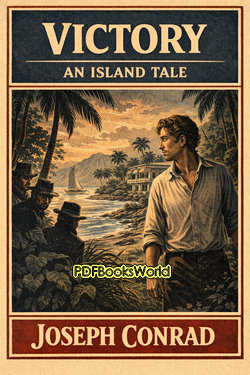
Victory - An Island Tale
by Joseph Conrad
Isolation, Darkness, and the Fragile Hope of Human Connection
Victory: An Island Tale by Joseph Conrad is a haunting novel that blends psychological drama, adventure, and moral conflict within a remote tropical setting. Beneath its atmosphere of mystery and danger lies a deeply emotional story about loneliness, emotional withdrawal, and the possibility of redemption through human connection.
Conrad creates a world where physical isolation mirrors psychological isolation. The novel’s quiet tension gradually intensifies until emotional restraint gives way to violence, fear, and tragedy.
Axel Heyst and His Chosen Solitude
The central figure, Axel Heyst, is an intelligent and reflective man who has deliberately withdrawn from society after becoming disillusioned with humanity. Living alone on a remote island in the Malay Archipelago, Heyst attempts to avoid emotional involvement and worldly conflict altogether.
His detached existence changes when he meets Lena, a vulnerable young woman trapped within a degrading traveling orchestra managed by cruel men.
Moved by sympathy, Heyst rescues her and brings her to his isolated island. Yet the attempt to create peace and emotional refuge proves fragile as danger slowly approaches from the outside world.
The Figures Moving Through Conrad’s Dark Landscape
- Axel Heyst
A withdrawn idealist attempting to escape emotional pain through isolation and detachment. - Lena
A compassionate and emotionally courageous woman seeking dignity, safety, and connection. - Mr. Jones
A sinister and destructive outsider whose arrival brings violence and psychological menace. - Ricardo and Pedro
Dangerous companions contributing to the atmosphere of tension and instability.
The emotional contrast between Heyst’s passivity and Lena’s emotional sincerity becomes central to the novel’s tragedy.
An Island Filled With Psychological Tension
The tropical island setting feels both beautiful and deeply unsettling. Conrad fills the novel with silence, heat, darkness, and emotional unease, creating an atmosphere where danger seems constantly present beneath the calm surface.
Heyst’s isolation initially appears peaceful, but Conrad gradually reveals its emotional emptiness. His refusal to engage fully with life leaves him vulnerable when genuine moral action becomes necessary.
The island transforms into a symbolic space where emotional avoidance can no longer survive untouched.
Major Themes Within the Novel
- Isolation and Emotional Withdrawal
Heyst attempts to escape suffering by separating himself from human relationships. - Goodness Confronting Evil
The novel explores how innocence and compassion struggle against cruelty and destruction. - Passivity and Moral Responsibility
Conrad questions whether avoiding conflict can become a form of moral failure. - Love and Redemption
Lena’s emotional sincerity offers Heyst a final chance for connection and meaning.
Conrad’s Blend of Adventure and Psychological Depth
Victory combines suspenseful storytelling with philosophical reflection in a way few writers could achieve. While the novel contains danger, violence, and dramatic confrontation, its deeper focus remains psychological and emotional.
Conrad portrays Heyst not as a traditional hero, but as a profoundly conflicted individual whose intelligence and detachment become both strengths and weaknesses.
The novel’s atmosphere grows increasingly dark and fatalistic as emotional choices begin carrying irreversible consequences.
Why the Novel Continues to Captivate Readers
Modern readers still find Victory compelling because its emotional concerns remain timeless. Loneliness, emotional withdrawal, fear of intimacy, and the search for meaning continue shaping human experience today.
The novel also feels strikingly modern in its psychological complexity. Conrad recognizes how easily intelligence and detachment can become forms of emotional paralysis.
For readers interested in literary adventure, psychological fiction, and atmospheric classics exploring isolation and moral conflict, Victory remains dark, powerful, and unforgettable.
Similar Genres
About the Author
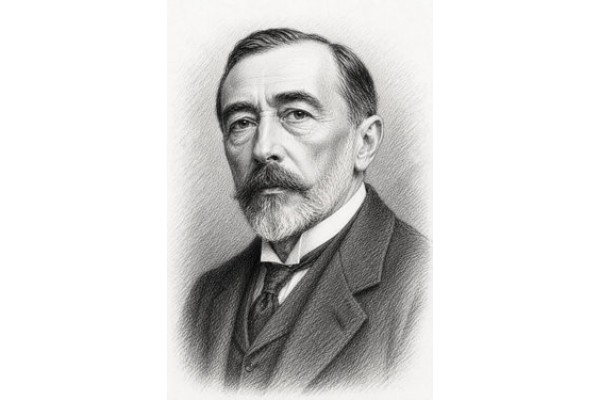
Joseph Conrad brought a unique international perspective to English literature, drawing upon his experiences as a merchant sailor to craft stories of adventure, moral conflict, and human resilience. Born in present-day Ukraine to Polish parents in 1857, he did not learn English fluently until adulthood, yet he went on to become one of the language's most admired novelists. Explore Joseph Conrad books to discover the author's life, literary career, and access notable works, including Heart of Darkness, The Secret Agent - A Simple Tale, Lord Jim, Nostromo - A Tale of the Seaboard , and more.