Heart of Darkness
by Joseph Conrad
Joseph Conrad’s Powerful Exploration of Human Nature
Heart of Darkness by Joseph Conrad remains one of the most influential literary works of the modern era. First published in 1899, this unforgettable novella continues to fascinate readers with its haunting atmosphere, psychological depth, and powerful examination of colonialism and morality.
Widely regarded as a cornerstone of classic English literature, the novel follows the journey of Charles Marlow as he travels deep into the African Congo in search of the mysterious ivory trader Kurtz. Along the way, Conrad reveals disturbing truths about greed, power, and the darkness hidden within human nature.
The Story Behind Heart of Darkness
Set during the height of European colonial expansion in Africa, the novel presents a gripping narrative that combines adventure with philosophical reflection. Marlow’s voyage through the Congo River becomes more than a physical journey; it transforms into an exploration of civilization, corruption, and the fragile boundaries between order and chaos.
Joseph Conrad drew inspiration from his own experiences working in the Congo during the late nineteenth century, adding realism and emotional intensity to the story. Literary scholars continue to study the novella for its symbolism, layered narration, and psychological complexity.
Major Themes in the Novel
One reason Heart of Darkness remains widely discussed is its rich thematic depth. The novella explores several enduring themes, including:
- Imperialism and colonial exploitation
- The corrupting influence of power
- The conflict between civilization and savagery
- Moral ambiguity and human darkness
- Isolation and psychological deterioration
These themes continue to resonate with modern readers, making the novella relevant even more than a century after its publication.
Why Readers Still Study Heart of Darkness
The novella has become a standard text in literature courses around the world because of its narrative innovation and intellectual depth. Conrad’s use of layered storytelling and symbolic imagery creates a deeply immersive reading experience that encourages interpretation and discussion.
Readers are often drawn to the mysterious character of Kurtz, whose transformation throughout the story symbolizes the destructive effects of unchecked ambition and moral decay.
Joseph Conrad’s Literary Legacy
Joseph Conrad is celebrated for his psychologically rich writing style and complex exploration of ethical and political issues. His works frequently examine the tensions between civilization and human instinct, and Heart of Darkness stands as one of his most enduring achievements.
The novella has inspired numerous adaptations, critical studies, films, and artistic interpretations over the decades. Its influence can still be seen in modern literature and cinema today.
A Classic That Continues to Challenge Readers
Although relatively short in length, Heart of Darkness delivers an intense and thought-provoking reading experience. Its atmospheric storytelling, unforgettable characters, and philosophical depth continue to engage readers interested in classic fiction and literary analysis.
For anyone exploring classic literature, psychological fiction, or historical narratives about colonialism, Joseph Conrad’s masterpiece remains an essential and unforgettable read.
Similar Genres
About the Author
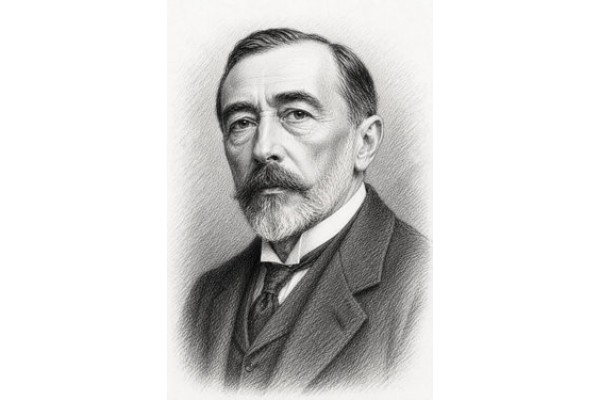
Joseph Conrad brought a unique international perspective to English literature, drawing upon his experiences as a merchant sailor to craft stories of adventure, moral conflict, and human resilience. Born in present-day Ukraine to Polish parents in 1857, he did not learn English fluently until adulthood, yet he went on to become one of the language's most admired novelists. Explore Joseph Conrad books to discover the author's life, literary career, and access notable works, including The Secret Agent - A Simple Tale, Lord Jim, Nostromo - A Tale of the Seaboard, Some Reminiscences , and more.