Lord Jim
by Joseph Conrad
Lord Jim and Joseph Conrad’s Powerful Exploration of Guilt, Honor, and Redemption
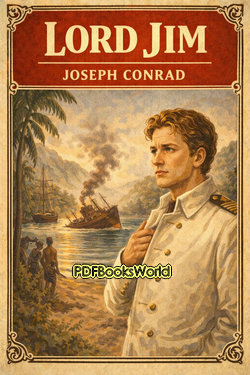
Psychologically complex and morally profound, Lord Jim by Joseph Conrad stands among the great novels of modern literature. Set against the backdrop of maritime adventure and colonial trade routes, the story follows Jim, a young sailor whose single moment of failure transforms the course of his entire life.
Through layered storytelling and deep psychological insight, Conrad explores how guilt, idealism, shame, and the search for redemption shape human identity.
A Life Changed by One Critical Decision
Jim begins as an ambitious young seaman filled with dreams of courage and heroism. However, after abandoning a damaged ship during a moment of crisis, he becomes haunted by the consequences of his actions and the collapse of his own self-image.
The novel follows his long struggle to escape the shadow of that event and reclaim a sense of honor and personal meaning.
What Makes the Novel So Memorable
- Deep psychological and moral complexity
- Exploration of guilt, shame, and redemption
- Atmospheric maritime and colonial settings
- Innovative narrative structure and storytelling
- Rich philosophical and emotional depth
Conrad’s Exploration of Human Character
Joseph Conrad became famous for examining the hidden conflicts within human nature. In Lord Jim, he focuses less on outward adventure and more on the emotional and ethical consequences of personal failure.
The novel asks difficult questions about courage, self-deception, reputation, and whether true redemption is ever fully possible.
Major Themes Explored Throughout the Story
- The burden of guilt and personal failure
- The conflict between idealism and reality
- The search for honor and redemption
- The complexity of moral judgment
- The fragile nature of identity and reputation
The Importance of Narrative and Perspective
One of the novel’s most distinctive features is its layered storytelling structure. Much of the narrative is presented through the observations of Marlow, a reflective narrator who attempts to understand Jim’s character and motivations.
This shifting perspective adds mystery and ambiguity, encouraging readers to interpret Jim’s actions and personality for themselves.
Readers interested in modern literary fiction often explore the rise of literary modernism and psychological narrative to better understand the literary innovations associated with Conrad’s work.
Joseph Conrad’s Influence on Modern Literature
Joseph Conrad became one of the most influential novelists of the twentieth century because of his psychological realism, moral complexity, and experimental narrative techniques. His works often explored imperialism, isolation, identity, and the darker aspects of human experience.
Writers across generations admired his ability to combine philosophical reflection with dramatic storytelling and atmospheric prose.
Reasons the Novel Continues to Be Studied
- Complex and psychologically rich central character
- Powerful themes of morality and redemption
- Innovative narrative structure
- Important influence on modern fiction
- Thought-provoking exploration of human weakness
The Enduring Appeal of Moral Drama
Stories centered on guilt, responsibility, and personal redemption continue resonating because they reflect universal human fears and aspirations. Readers are often drawn to characters struggling to reconcile who they are with who they hoped to become.
Lord Jim remains compelling because it treats moral conflict with emotional honesty and psychological depth.
Final Thoughts
Lord Jim remains one of Joseph Conrad’s greatest literary achievements. Through atmospheric storytelling, philosophical reflection, and psychological realism, Conrad created a deeply human exploration of failure, honor, and redemption. Its lasting literary importance continues to inspire readers interested in moral complexity, modern fiction, and the mysteries of human character.
Similar Genres
About the Author

Joseph Conrad brought a unique international perspective to English literature, drawing upon his experiences as a merchant sailor to craft stories of adventure, moral conflict, and human resilience. Born in present-day Ukraine to Polish parents in 1857, he did not learn English fluently until adulthood, yet he went on to become one of the language's most admired novelists. Explore Joseph Conrad books to discover the author's life, literary career, and access notable works, including Heart of Darkness, The Secret Agent - A Simple Tale, Nostromo - A Tale of the Seaboard, Some Reminiscences , and more.