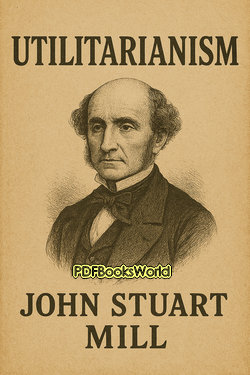
Utilitarianism
by John Stuart Mill
Why Utilitarianism Still Shapes Modern Ethical Thinking
Utilitarianism by John Stuart Mill remains one of the most influential works in moral philosophy. First published in the nineteenth century, the essay explores a simple but powerful question: what makes an action morally right or wrong? Mill argues that actions should be judged by their consequences, especially by whether they increase happiness and reduce suffering. Even today, his ideas continue to influence politics, economics, law, and debates about ethics in everyday life.
Readers interested in the philosophical importance of the work can explore Encyclopaedia Britannica.
The Core Idea Behind Utilitarianism
At the center of Mill’s philosophy is the belief that happiness is the ultimate goal of human life. According to utilitarianism, an action is morally correct if it creates the greatest happiness for the greatest number of people. Rather than focusing only on rules or traditions, Mill encourages readers to consider the real effects of human behavior.
This idea may sound simple, but it raises difficult moral questions. How should society balance individual freedom with the needs of the majority? Can harmful actions ever be justified if they produce a greater overall benefit? Mill’s work explores these challenges in detail, which is one reason the essay remains widely studied.
More Than Simple Pleasure
One of Mill’s most important contributions was his argument that not all pleasures are equal. He believed intellectual and moral pleasures were more valuable than purely physical enjoyment. For Mill, reading literature, gaining knowledge, and developing personal character offered a deeper form of happiness than temporary pleasure alone.
This distinction separated his ideas from earlier forms of utilitarian philosophy. Mill wanted to show that human happiness involved quality as well as quantity, making his philosophy more complex and human-centered.
Readers looking for study resources and philosophical analysis can visit SparkNotes.
The Influence of John Stuart Mill
John Stuart Mill became one of the most respected thinkers of the nineteenth century. Beyond philosophy, he wrote about politics, economics, education, liberty, and social reform. His ideas supported freedom of speech, women’s rights, and individual liberty during a period of major social change in Britain.
Many of his political and ethical ideas continue to influence democratic societies today. Discussions about public policy, human rights, and social responsibility often reflect utilitarian thinking, even when people do not directly reference Mill’s work.
Why the Essay Still Feels Relevant
Modern readers continue to connect with Utilitarianism because the ethical questions inside the essay remain deeply relevant. Governments, businesses, and individuals constantly make decisions that affect large groups of people. Mill’s philosophy encourages people to think carefully about the consequences of those decisions.
Debates about healthcare, environmental policy, technology, and social justice often involve utilitarian ideas about maximizing well-being and minimizing harm. The essay therefore continues to influence both academic philosophy and real-world decision-making.
Mill’s Clear and Logical Writing Style
Although the subject is philosophical, Mill writes in a logical and structured way that many readers still find accessible. He carefully explains objections to utilitarianism and responds to critics step by step. This methodical style helped make the essay one of the most widely read introductions to moral philosophy.
Rather than presenting abstract theories alone, Mill often connects philosophy to practical human behavior. His writing encourages readers to examine how moral choices affect both individuals and society as a whole.
A Lasting Intellectual Legacy
More than a century after its publication, Utilitarianism remains a cornerstone of ethical philosophy. Its exploration of happiness, morality, freedom, and social responsibility continues to influence students, scholars, and political thinkers across the world. John Stuart Mill’s ideas still challenge readers to think critically about what creates a good society and how human actions should be judged.
Similar Genres
About the Author
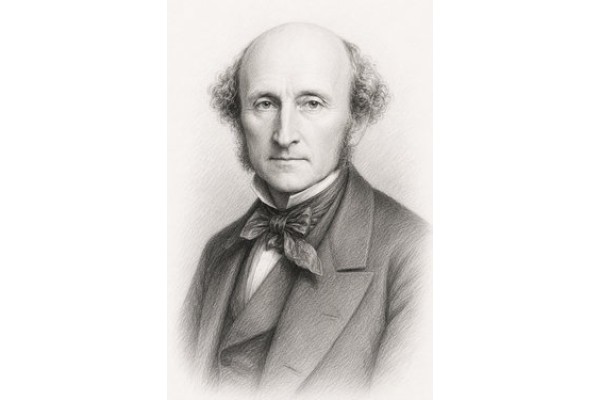
John Stuart Mill was an English philosopher, economist, political theorist, and social reformer whose writings became foundational works in modern liberal thought. Born in London in 1806, Mill was educated from an early age by his father, James Mill, developing an extraordinary command of philosophy, economics, history, and classical literature. Explore John Stuart Mill books to discover the author's life, literary career, and access notable works, including On Liberty, Principles Of Political Economy , and more.