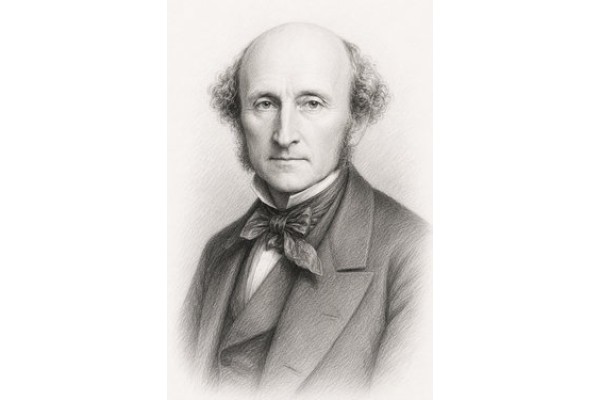
John Stuart Mill
John Stuart Mill was an English philosopher, economist, political theorist, and social reformer whose writings became foundational works in modern liberal thought. Born in London in 1806, Mill was educated from an early age by his father, James Mill, developing an extraordinary command of philosophy, economics, history, and classical literature. Throughout his career, he championed individual liberty, representative government, equality, and rational inquiry, producing influential works that continue to shape discussions on ethics, politics, economics, and human rights. His commitment to intellectual freedom and social progress established him as one of the most important thinkers of the nineteenth century.
A Voice for Liberty and Reason
John Stuart Mill believed that free thought, open discussion, and individual liberty were essential to a just and prosperous society. His philosophical writings explored the balance between personal freedom and social responsibility, arguing that individuals should be free to pursue their own lives as long as they did not harm others. Mill also advocated expanded educational opportunities, freedom of expression, women's equality, and democratic reform, ideas that were remarkably progressive for his time. His clear, logical writing style made complex philosophical concepts accessible, encouraging readers to think critically about government, morality, and the rights of individuals.
Beyond philosophy, Mill made lasting contributions to economics and political science, building upon classical economic theory while addressing questions of justice, social welfare, and public policy. His influence extends across numerous academic disciplines and continues to inform debates about freedom, equality, and democracy.
Essential Works
- On Liberty presents Mill's enduring defense of individual freedom, free speech, and the importance of independent thought.
- Utilitarianism explains and refines the ethical theory that actions should promote the greatest overall happiness.
- The Subjection of Women argues for legal and social equality between women and men, making it one of the landmark works of early feminist philosophy.
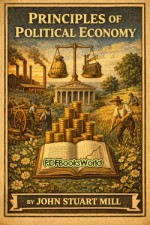
- Principles of Political Economy examines economics, production, distribution, and the relationship between markets and society.
- A System of Logic explores scientific reasoning, evidence, and the methods of sound inquiry.
- Considerations on Representative Government discusses democratic institutions, civic participation, and effective constitutional governance.
An Enduring Legacy of Liberal Thought
John Stuart Mill's writings continue to influence philosophy, economics, political theory, law, and public policy around the world. His thoughtful defense of liberty, equality, and reasoned debate remains central to modern democratic societies and continues to inspire scholars, policymakers, and readers seeking a deeper understanding of individual rights and civic responsibility. Few thinkers have had such a lasting impact on the development of modern political and ethical thought.
If you're interested in philosophy, economics, political theory, and the ideas that shaped the modern world, the works of John Stuart Mill are well worth exploring. At PDFBooksWorld, you can discover a carefully curated collection of his influential writings and experience the enduring wisdom of one of history's greatest advocates for liberty and rational inquiry.
Utilitarianism
John Stuart Mill
On Liberty
John Stuart Mill