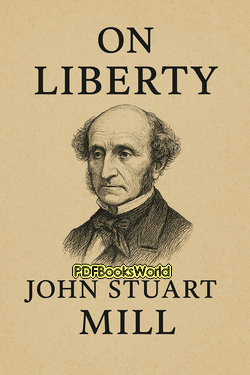
On Liberty
by John Stuart Mill
A Timeless Defense of Freedom, Individuality, and Human Rights
On Liberty by John Stuart Mill is one of the most influential political and philosophical works ever written about personal freedom and individual rights. First published in 1859, the book explores the importance of liberty in society and argues that people should be free to think, speak, and live as they choose as long as they do not harm others.
Mill wrote the book during a time of major political and social change in Europe. His ideas about freedom of speech, individuality, and limited government power became highly influential and continue to shape modern democratic societies today.
About the Author
John Stuart Mill was an English philosopher, economist, and political thinker known for his writings on liberty, ethics, economics, and social reform. He was one of the leading intellectual figures of the nineteenth century and strongly supported education, equality, and individual freedom.
Mill’s works often focused on improving society while protecting personal rights. His ideas influenced political philosophy, modern democracy, and discussions about human rights around the world.
Main Themes of the Book
The central idea of On Liberty is that individuals should have the freedom to make their own choices without unnecessary interference from society or government. Mill believed freedom was essential for human progress and personal development.
Important Themes Discussed
- Freedom of speech and expression
- Individuality and personal choice
- The limits of government power
- The importance of independent thinking
Mill argues that society benefits when people are allowed to express different opinions, even unpopular ones. According to him, open discussion helps people discover truth and avoid intellectual stagnation.
The Harm Principle
One of the book’s most famous ideas is the “harm principle.” Mill states that the only valid reason for limiting a person’s freedom is to prevent harm to others. He believed individuals should not be controlled simply because society disagrees with their lifestyle or opinions.
This principle became one of the foundations of modern liberal political thought and continues to influence legal and ethical debates today.
Key Ideas in the Book
- Freedom encourages creativity and progress
- Diverse opinions strengthen society
- Individual rights should be protected
Writing Style
Mill’s writing style is thoughtful, logical, and persuasive. He explains complex philosophical ideas through careful reasoning and detailed arguments.
Although the language reflects the nineteenth century, the book remains accessible to readers interested in politics, philosophy, and social issues.
Historical Importance
On Liberty became one of the most important works in the history of political philosophy. Its defense of freedom of speech and individual rights influenced democratic governments, legal systems, and social reform movements across the world.
Historical Features
- Support for freedom of speech
- Defense of individual rights
- Influence on modern democratic thought
The book also reflected growing debates during the nineteenth century about democracy, social authority, and personal liberty.
Lessons for Modern Readers
Modern readers continue to find Mill’s ideas relevant because many societies still debate issues involving free speech, government power, and personal freedom. His arguments encourage people to think independently and respect the rights of others.
The book also reminds readers that open discussion and tolerance are essential parts of a healthy and progressive society.
Conclusion
On Liberty by John Stuart Mill remains a landmark work of political philosophy that defends freedom, individuality, and human rights. Through powerful arguments and thoughtful analysis, Mill created a book that continues to influence debates about liberty and democracy more than a century after its publication.
Similar Genres
About the Author
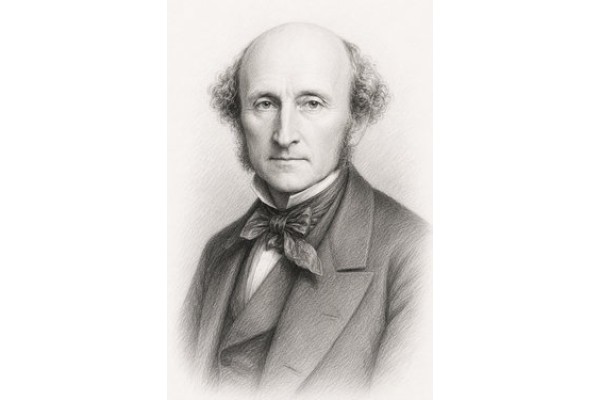
John Stuart Mill was an English philosopher, economist, political theorist, and social reformer whose writings became foundational works in modern liberal thought. Born in London in 1806, Mill was educated from an early age by his father, James Mill, developing an extraordinary command of philosophy, economics, history, and classical literature. Explore John Stuart Mill books to discover the author's life, literary career, and access notable works, including Utilitarianism, Principles Of Political Economy , and more.