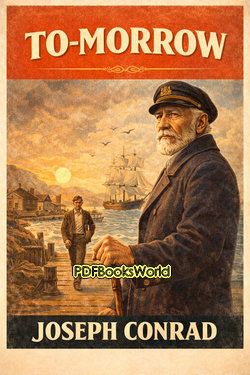
To-morrow
by Joseph Conrad
Waiting, Illusion, and the Quiet Tragedy of Hope
To-morrow by Joseph Conrad is a brief yet emotionally powerful short story about loneliness, denial, and the destructive persistence of false hope. Unlike Conrad’s larger sea adventures or political novels, this story unfolds within a quiet coastal village where emotional tragedy grows slowly through repetition, silence, and refusal to accept reality.
The narrative is simple on the surface, yet deeply psychological beneath. Conrad examines how human beings sometimes cling to hope so completely that it becomes impossible to live fully in the present.
An Old Man Waiting Beside the Sea
The story centers on Captain Hagberd, an aging man living alone near the coast. For years he has remained obsessed with the belief that his son Harry, who disappeared long ago after going to sea, will someday return home.
Every part of his life revolves around this expectation.
Hagberd repeatedly tells neighbors and strangers that his son will come back “to-morrow.” He even keeps improving and preparing the house for the long-awaited return, despite growing evidence that the hope may be unrealistic.
Meanwhile, a young woman named Bessie Carvil becomes emotionally entangled in the old man’s lonely world.
The Small Group of Lives Bound Together by Waiting
- Captain Hagberd
>An isolated father unable to release himself from obsessive hope and emotional denial. - Bessie Carvil
A lonely young woman drawn into Hagberd’s tragic emotional routine. - Harry Hagberd
The absent son whose disappearance shapes the emotional lives of everyone around him.
Conrad builds emotional tension not through dramatic events, but through silence, routine, and emotional stagnation.
The Weight of Illusion
One of the story’s most striking qualities is its atmosphere of emotional stillness. The coastal setting feels quiet, isolated, and suspended in time, mirroring Captain Hagberd’s refusal to move forward emotionally.
The repeated promise of “to-morrow” becomes symbolic. It represents hope endlessly postponed into the future, preventing genuine acceptance or emotional healing.
Conrad portrays illusion not simply as weakness, but as a deeply human response to grief and loneliness.
Major Themes Running Through the Story
- Hope and Self-Deception
The story explores how hope can gradually become emotional imprisonment. - Loneliness and Isolation
Characters struggle with emotional separation and unfulfilled lives. - The Passage of Time
Life quietly slips away while individuals remain trapped in memory and expectation. - The Sea as Absence
The ocean symbolizes distance, uncertainty, and irreversible loss.
Conrad’s Quietest Kind of Tragedy
In To-morrow, Conrad demonstrates extraordinary emotional restraint. The story avoids melodrama entirely, allowing small details and ordinary conversation to reveal immense sadness.
The emotional impact becomes stronger because the tragedy feels gradual and believable rather than sudden or theatrical.
Conrad also shows remarkable compassion toward his characters. Even Captain Hagberd’s denial appears painfully human rather than ridiculous.
Why the Story Still Feels So Powerful
Modern readers continue connecting deeply with To-morrow because its themes remain universal. Many people understand the temptation to hold onto impossible hopes rather than confront painful reality.
The story also feels modern in its psychological subtlety. Conrad recognizes how grief, loneliness, and emotional longing can quietly shape an entire life.
For readers interested in literary short fiction, emotional realism, and psychologically sensitive storytelling, this story remains haunting, compassionate, and unforgettable.
Similar Genres
About the Author
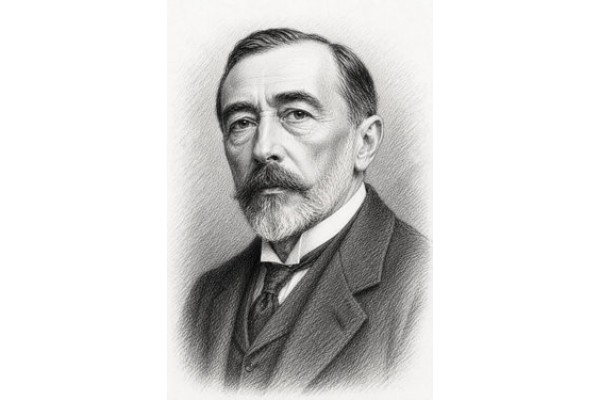
Joseph Conrad brought a unique international perspective to English literature, drawing upon his experiences as a merchant sailor to craft stories of adventure, moral conflict, and human resilience. Born in present-day Ukraine to Polish parents in 1857, he did not learn English fluently until adulthood, yet he went on to become one of the language's most admired novelists. Explore Joseph Conrad books to discover the author's life, literary career, and access notable works, including Heart of Darkness, The Secret Agent - A Simple Tale, Lord Jim, Nostromo - A Tale of the Seaboard , and more.