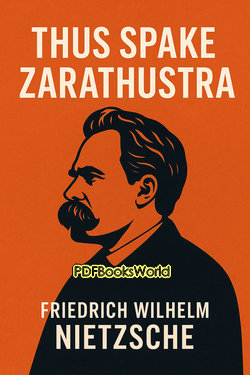
Thus Spake Zarathustra
by Friedrich Wilhelm Nietzsche
Thus Spake Zarathustra: Nietzsche’s Vision of Humanity and Meaning
Thus Spake Zarathustra by Friedrich Nietzsche is one of the most famous and challenging philosophy books ever written. First published between 1883 and 1885, the book combines storytelling, poetry, and philosophy to explore deep questions about life, morality, religion, and human potential.
Although the ideas in the book can seem difficult at first, many readers continue to study it because of its powerful themes and unique style.
What Is the Book About?
The story follows a wise man named Zarathustra who lives alone in the mountains for many years. After gaining knowledge and understanding, he decides to return to society and share his ideas with humanity.
As Zarathustra travels and speaks to people, he teaches about personal growth, independence, and the importance of creating meaning in life. Many people fail to understand his message, but he continues his journey and reflections.
The Idea of the “Overman”
One of the most famous ideas in the book is the concept of the “Overman” or “Superman,” often called the Übermensch. Nietzsche believed that human beings should constantly improve themselves instead of blindly following traditions or social expectations.
The Overman represents a person who creates their own values, thinks independently, and lives with courage and creativity.
“God Is Dead”
Another famous idea connected to Nietzsche’s philosophy is the statement “God is dead.” This does not simply mean religion disappears. Instead, Nietzsche believed that many people were beginning to lose faith in traditional beliefs and old moral systems.
He argued that humanity would need to create new meaning and values in a changing world.
Main Themes in the Book
Self-Improvement: Zarathustra encourages people to grow stronger mentally and emotionally by overcoming fear and weakness.
Freedom of Thought: Nietzsche challenges people to think for themselves rather than simply following society or tradition.
The Meaning of Life: The book explores how individuals can create purpose and meaning through their own actions and choices.
Eternal Recurrence: Nietzsche introduces the idea that life may repeat endlessly, encouraging readers to live in a way they would gladly experience again.
Writing Style and Structure
Unlike ordinary novels or philosophy books, Thus Spake Zarathustra is written in a poetic and symbolic style. The book contains speeches, parables, and philosophical discussions rather than a simple storyline.
Because of this, some readers may find it difficult at first. However, many people appreciate its emotional depth and imaginative language.
Why the Book Is Important
The book had a major influence on modern philosophy, literature, psychology, and culture. Nietzsche’s ideas inspired many later thinkers and writers, especially in discussions about individuality, freedom, and human identity.
Even today, the novel continues to be studied in universities and read by people interested in philosophy and self-development.
Who Should Read It?
This book is best for readers who enjoy philosophical ideas and thoughtful discussions about life and society. People interested in existentialism, psychology, and classic literature often find it fascinating.
Although it may require patience and careful reading, many readers consider it one of the most rewarding philosophical works ever written.
Final Thoughts
Thus Spake Zarathustra remains one of Friedrich Nietzsche’s most influential books. Through the character of Zarathustra, Nietzsche encourages readers to question traditional beliefs, think independently, and strive for personal growth.
For anyone interested in philosophy, human nature, and the search for meaning, this classic work continues to offer powerful ideas and lasting inspiration.
Similar Genres
About the Author
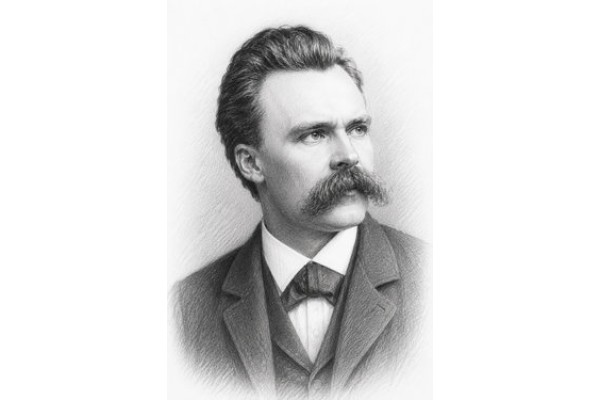
Friedrich Wilhelm Nietzsche was a German philosopher, cultural critic, poet, and classical scholar whose bold ideas transformed modern philosophy and profoundly influenced literature, psychology, theology, and the arts. Explore Friedrich Wilhelm Nietzsche books to discover the author's life, literary career, and access notable works, including Beyond Good and Evil, The Antichrist , and more.