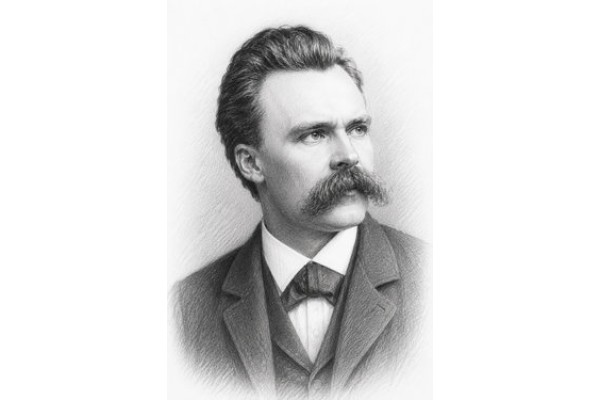
Friedrich Wilhelm Nietzsche
Friedrich Wilhelm Nietzsche was a German philosopher, cultural critic, poet, and classical scholar whose bold ideas transformed modern philosophy and profoundly influenced literature, psychology, theology, and the arts. Born in Röcken, Germany, in 1844, Nietzsche challenged traditional assumptions about morality, religion, truth, and human potential through a distinctive style that combined philosophy with poetic expression. His writings encouraged readers to question accepted beliefs, embrace intellectual independence, and pursue personal growth with courage and honesty. Though controversial during his lifetime, Nietzsche is now regarded as one of the most influential thinkers of the modern era.
Questioning Tradition and Celebrating Individual Thought
Friedrich Nietzsche believed that philosophy should inspire individuals to think independently rather than simply accept inherited ideas. His works explored themes such as freedom, creativity, morality, personal responsibility, and the search for meaning in a rapidly changing world. Rather than offering simple answers, Nietzsche challenged readers to confront difficult questions about values, purpose, and the nature of human existence. His vivid writing style, rich in metaphor and aphorism, continues to captivate readers seeking a deeper understanding of philosophy and the human condition.
Beyond philosophy, Nietzsche's ideas profoundly influenced twentieth-century literature, psychology, existentialism, and modern cultural thought. Although many of his concepts have been interpreted in different ways over time, his emphasis on intellectual courage, self-examination, and creative thought remains central to his enduring legacy.
Essential Works
- Thus Spoke Zarathustra presents Nietzsche's most celebrated philosophical vision through poetic storytelling and symbolic dialogue.
- Beyond Good and Evil examines morality, truth, and the assumptions underlying traditional philosophy.
- On the Genealogy of Morality explores the historical development of moral values and ethical beliefs.
- The Birth of Tragedy investigates the origins of Greek tragedy and the relationship between art, culture, and human experience.
- The Gay Science combines philosophical reflections with memorable aphorisms on knowledge, creativity, and life.
- Ecce Homo offers Nietzsche's personal reflections on his life, writings, and philosophical development.
An Enduring Influence on Modern Thought
Friedrich Wilhelm Nietzsche's writings continue to inspire scholars, writers, artists, and readers through their originality, literary beauty, and fearless exploration of fundamental philosophical questions. His works remain central to the study of modern philosophy, encouraging critical thinking and thoughtful engagement with ideas about freedom, morality, individuality, and human potential. More than a century after his death, Nietzsche's influence continues to shape intellectual life around the world.
If you're interested in philosophy, literature, and the ideas that have influenced modern intellectual history, the works of Friedrich Wilhelm Nietzsche are well worth exploring. At PDFBooksWorld, you can discover a carefully curated collection of his influential writings and experience the thought-provoking philosophy of one of history's most remarkable thinkers.

Beyond Good and Evil
Friedrich Wilhelm Nietzsche
Thus Spake Zarathustra
Friedrich Wilhelm Nietzsche