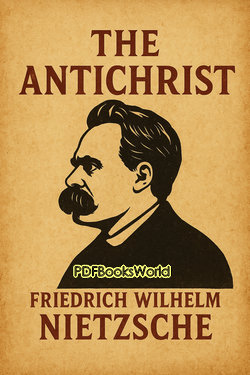
The Antichrist
by Friedrich Wilhelm Nietzsche
The Antichrist: A Bold and Controversial Book
The Antichrist by Friedrich Nietzsche is one of the most powerful and controversial philosophy books ever written. Published in 1895, the book explores Nietzsche’s criticism of religion, morality, and modern society. Instead of telling a fictional story, the book presents strong philosophical arguments and personal opinions about Christianity and human values.
Although many readers find the book challenging, it remains an important work in modern philosophy and continues to be studied around the world.
What Is the Book About?
In The Antichrist, Nietzsche strongly criticizes Christianity and what he believed were the negative effects of religious morality on human life. He argues that society often praises weakness, obedience, and suffering instead of strength, independence, and personal growth.
Nietzsche believed that people should focus on becoming stronger, more creative, and more confident rather than blindly following traditional beliefs.
Nietzsche’s Main Ideas
One of the central ideas in the book is that traditional moral systems can prevent human progress. Nietzsche believed that many religious teachings encouraged guilt, fear, and self-denial instead of encouraging individuals to develop their full potential.
He also discusses the idea of the “will to power,” which represents the natural human desire to grow, achieve, and overcome challenges. According to Nietzsche, life becomes meaningful when people actively create their own values and purpose.
Criticism of Christianity
The book is best known for its sharp criticism of Christianity. Nietzsche argued that religion had changed the way people viewed strength and weakness. He believed that qualities such as humility and suffering were treated as virtues while ambition and power were often viewed negatively.
These ideas made the book highly controversial both during Nietzsche’s lifetime and after his death.
The Meaning Behind the Title
The title The Antichrist does not simply refer to evil or destruction. Instead, Nietzsche uses the title to represent opposition to traditional Christian morality and values. The book challenges readers to question long-standing beliefs and think independently about morality and society.
Writing Style and Tone
Nietzsche’s writing style in this book is direct, emotional, and sometimes aggressive. He uses short statements, sharp criticism, and dramatic language to express his ideas. Because of this, the book often feels intense and provocative.
Some readers may disagree with his arguments, but many still admire the passion and originality of his writing.
Why the Book Is Still Important
Even today, The Antichrist remains influential in philosophy, psychology, literature, and cultural studies. Nietzsche’s ideas about individuality, freedom, morality, and human potential inspired many later thinkers and writers.
The book also helped shape discussions about existentialism and modern philosophy in the twentieth century.
Who Should Read This Book?
This book is best suited for readers who enjoy philosophy and deep discussions about society, religion, and human nature. It is especially interesting for people curious about Nietzsche’s ideas and his influence on modern thought.
Because the book contains strong opinions and criticism of religion, readers may find some parts difficult or controversial. However, it remains an important work for understanding modern philosophy.
Final Thoughts
The Antichrist by Friedrich Nietzsche is a bold and thought-provoking philosophical work that challenges traditional beliefs and encourages independent thinking. Through strong arguments and powerful language, Nietzsche asks readers to rethink morality, religion, and the meaning of human strength.
Whether readers agree with Nietzsche or not, the book continues to be one of the most discussed and influential philosophical works ever written.
Similar Genres
About the Author
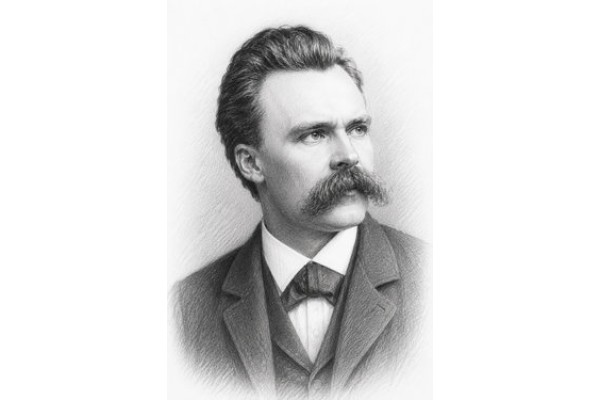
Friedrich Wilhelm Nietzsche was a German philosopher, cultural critic, poet, and classical scholar whose bold ideas transformed modern philosophy and profoundly influenced literature, psychology, theology, and the arts. Explore Friedrich Wilhelm Nietzsche books to discover the author's life, literary career, and access notable works, including Beyond Good and Evil, Thus Spake Zarathustra , and more.