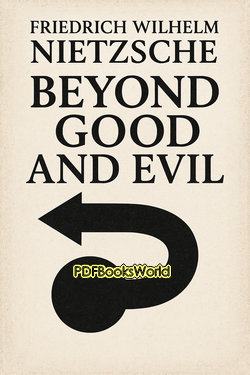
Beyond Good and Evil
by Friedrich Wilhelm Nietzsche
Introduction: Nietzsche’s Radical Challenge to Morality
Beyond Good and Evil by Friedrich Nietzsche is one of the most influential works in modern philosophy. Published in 1886, the book challenged traditional beliefs about morality, religion, truth, and human nature. Nietzsche questioned whether society’s ideas of “good” and “evil” were genuine truths or simply values created over time to control human behavior.
Written in a series of sharp and thought-provoking aphorisms, the book remains both controversial and deeply influential.
Structure and Themes
The work is divided into nine parts and contains 296 aphorisms, each presenting a distinct philosophical insight. Instead of using a formal academic style, Nietzsche wrote with intensity and irony, encouraging readers to think independently rather than blindly accept accepted beliefs.
One of the book’s central themes is Nietzsche’s criticism of Christian morality. He argued that Western society had become dominated by what he called “slave morality,” a value system that praises humility, obedience, and self-denial while discouraging strength, ambition, and individuality.
Nietzsche believed these moral values weakened human potential and prevented exceptional individuals from fully developing their talents and creativity.
The “Will to Power”
Another important idea in the book is the “will to power.” Nietzsche believed human beings are driven not only by survival or happiness but also by a desire for growth, influence, achievement, and self-mastery.
According to Nietzsche, even philosophy, religion, and morality are often shaped by hidden struggles for power. This idea later influenced modern psychology and existential philosophy.
Independent Thinking and Freedom
Throughout the book, Nietzsche praises the “free spirit” — a person willing to question tradition, reject conformity, and create personal values. He believed true intellectual freedom requires courage because society often resists independent thinkers.
Nietzsche encouraged readers to move beyond inherited beliefs and search for meaning through personal strength and self-discovery rather than blind obedience.
Conclusion
Beyond Good and Evil remains a landmark in philosophical thought because it challenges readers to rethink morality, truth, and individuality. Through his provocative ideas and fearless criticism of traditional values, Friedrich Nietzsche created a work that continues to influence philosophy, literature, psychology, and modern culture.
More than a century after its publication, the book still inspires debate by asking difficult questions about human nature and the foundations of society.
Similar Genres
About the Author
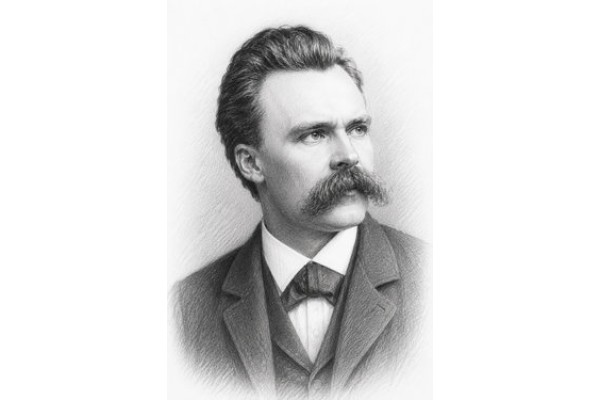
Friedrich Wilhelm Nietzsche was a German philosopher, cultural critic, poet, and classical scholar whose bold ideas transformed modern philosophy and profoundly influenced literature, psychology, theology, and the arts. Explore Friedrich Wilhelm Nietzsche books to discover the author's life, literary career, and access notable works, including Thus Spake Zarathustra, The Antichrist , and more.