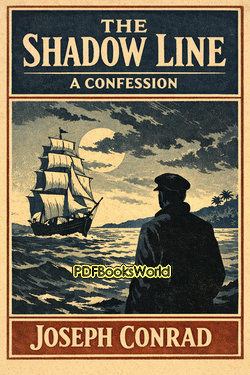
The Shadow Line - A Confession
by Joseph Conrad
Crossing From Youth Into Experience
The Shadow Line: A Confession by Joseph Conrad is a deeply reflective novella about maturity, responsibility, isolation, and the difficult transition from youthful confidence into adult understanding. Combining maritime realism with psychological introspection, Conrad transforms a sea voyage into a symbolic journey across the invisible boundary separating innocence from experience.
Unlike traditional adventure fiction, the novella focuses less on external excitement and more on emotional endurance, self-discovery, and the burden of command.
A Young Captain Takes His First Command
The unnamed narrator, still young and restless, unexpectedly receives command of his first ship after abruptly resigning from a previous position. Excited by independence and authority, he initially views the opportunity as the beginning of freedom and personal achievement.
However, the voyage quickly becomes troubled.
The ship encounters long periods of oppressive calm weather, illness spreads among the crew, supplies become uncertain, and the captain begins sensing the emotional weight of responsibility more intensely than ever before.
What seemed at first like professional success gradually turns into a psychological and moral test.
Figures Traveling Through the Crisis
- The Young Captain
An inexperienced commander confronting fear, loneliness, and the reality of leadership. - Mr. Burns
The ship’s exhausted and feverish first mate whose condition deepens the atmosphere of unease. - The Crew
Sailors struggling against illness, heat, exhaustion, and uncertainty during the voyage.
The emotional intensity of the novella comes from confinement, pressure, and the growing realization that authority carries profound personal consequences.
The Meaning of the “Shadow Line”
The title itself functions symbolically throughout the novella. The “shadow line” represents the moment when youth gives way to experience, illusion disappears, and responsibility becomes unavoidable.
Conrad portrays this transition not as sudden triumph, but as something psychologically difficult and emotionally exhausting. The young captain discovers that leadership involves isolation, doubt, and endurance rather than romantic adventure.
The sea becomes the perfect setting for this transformation because it removes ordinary distractions and exposes individuals directly to fear, fatigue, and uncertainty.
Major Themes Within the Novella
- Maturity and Transformation
The story explores the painful movement from youthful confidence into adult awareness. - Responsibility and Command
Leadership becomes an emotional burden as much as a position of authority. - Isolation and Psychological Pressure
The captain experiences loneliness intensified by confinement at sea. - Endurance Against Adversity
Survival depends upon persistence, discipline, and emotional resilience.
Conrad’s Most Personal Maritime Reflection
The Shadow Line is often considered one of Conrad’s most autobiographical works because it reflects experiences from his own early maritime career. This personal connection gives the novella unusual emotional sincerity and introspective depth.
Conrad’s prose creates an atmosphere filled with oppressive heat, silence, exhaustion, and quiet anxiety. Much of the suspense comes not from dramatic action, but from the captain’s internal struggle to maintain control over both the ship and himself.
The novella feels simultaneously realistic and symbolic.
Why Readers Still Connect With It
Modern readers continue responding strongly to The Shadow Line because its emotional journey remains universal. Nearly everyone experiences moments when youthful certainty gives way to the difficult realities of adulthood and responsibility.
The novella also feels modern because of its psychological honesty. Conrad recognizes that growth often emerges through uncertainty, fear, and endurance rather than confidence alone.
For readers interested in literary sea fiction, psychological coming-of-age stories, and reflective classics about leadership and maturity, this novella remains haunting, wise, and deeply human.
Similar Genres
About the Author

Joseph Conrad brought a unique international perspective to English literature, drawing upon his experiences as a merchant sailor to craft stories of adventure, moral conflict, and human resilience. Born in present-day Ukraine to Polish parents in 1857, he did not learn English fluently until adulthood, yet he went on to become one of the language's most admired novelists. Explore Joseph Conrad books to discover the author's life, literary career, and access notable works, including Heart of Darkness, The Secret Agent - A Simple Tale, Lord Jim, Nostromo - A Tale of the Seaboard , and more.