The Red Room
by H. G. Wells
Why The Red Room Remains One of H. G. Wells’ Most Chilling Horror Stories
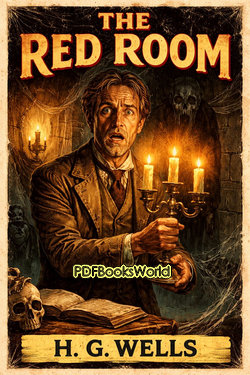
The Red Room by H. G. Wells is a classic supernatural horror story that continues to captivate readers with its psychological tension and eerie atmosphere. Unlike Wells’ famous science fiction novels, this story explores fear itself through suspense, isolation, and the power of the human imagination. Its haunting setting and emotional intensity make it one of the most memorable ghost stories in English literature.
The story is closely connected to Gothic fiction traditions, which often use dark settings, mystery, and emotional suspense to create fear.
What Makes The Red Room So Effective?
Unlike horror stories that depend on monsters or violence, The Red Room builds fear through atmosphere and psychological uncertainty. The isolated castle room at the center of the story becomes increasingly terrifying as the narrator confronts darkness and his own imagination.
Wells carefully creates tension through silence, shadows, and the fear of unseen dangers. Readers experience the growing anxiety of the narrator as the room itself begins to feel alive with hidden terror.
Main Features of the Story
- Strong psychological suspense
- Dark and atmospheric setting
- Fear created through imagination
- Minimal but effective supernatural elements
- Short and emotionally intense storytelling
The Theme of Fear in the Story
One of the central ideas in The Red Room is that fear can become more powerful than any physical threat. Wells suggests that the human mind often creates terror through uncertainty and imagination.
The narrator enters the room believing he can remain calm and rational, but the darkness and isolation slowly weaken his confidence. This psychological struggle gives the story much of its lasting emotional impact.
Major Themes Explored in the Story
- The psychological nature of fear
- Isolation and loneliness
- The power of imagination
- The conflict between reason and emotion
- The mystery of the unknown
Why Modern Readers Still Enjoy the Story
Even today, readers continue to appreciate The Red Room because it proves that effective horror does not require graphic scenes or complicated plots. The story’s emotional realism and suspense remain powerful even after more than a century.
Its short length and atmospheric storytelling also make it accessible to modern audiences looking for classic supernatural fiction.
Reasons for Its Lasting Popularity
- Simple but powerful storytelling
- Memorable suspense and atmosphere
- Psychological depth and realism
- Timeless themes about fear
- Influence on later horror fiction
Readers interested in supernatural suspense often explore psychological horror storytelling techniques to better understand how writers create fear through emotion and atmosphere.
H. G. Wells’ Influence Beyond Science Fiction
Although H. G. Wells is best known for science fiction classics such as The War of the Worlds and The Time Machine, his horror stories also demonstrated his remarkable skill at building tension and emotional suspense.
His ability to combine realism with imaginative fear influenced both horror and speculative fiction throughout the twentieth century.
Major Contributions to Literature
- Expanded modern science fiction storytelling
- Influenced psychological horror fiction
- Combined suspense with philosophical ideas
- Created emotionally realistic narratives
- Inspired generations of writers and filmmakers
Final Thoughts
The Red Room remains one of H. G. Wells’ most haunting and effective stories. Through atmosphere, suspense, and psychological fear, Wells created a timeless work of horror that continues to unsettle readers today. Its exploration of fear and imagination ensures its lasting place among the classics of supernatural fiction.
Similar Genres
About the Author
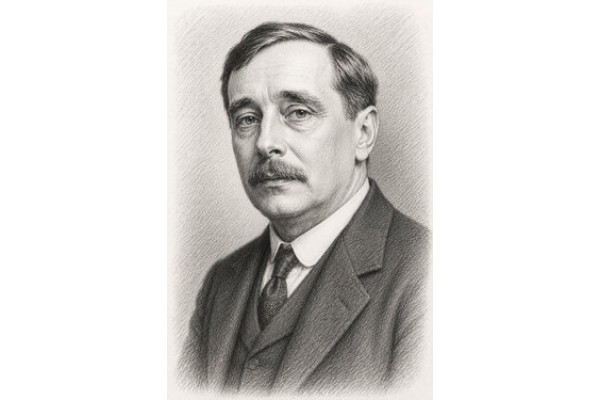
H. G. Wells helped redefine the boundaries of imagination by transforming science fiction into a powerful form of literary storytelling. Born in England in 1866, he combined a keen interest in science with an extraordinary gift for narrative, producing novels that entertained readers while encouraging them to think about the future of humanity. Explore H. G. Wells books to discover the author's life, literary career, and access notable works, including The War of the Worlds, The Time Machine, Tales of Space and Time, The Invisible Man , and more.